Consumer Insights
Uncover trends and behaviors shaping consumer choices today
Procurement Insights
Optimize your sourcing strategy with key market data
Industry Stats
Stay ahead with the latest trends and market analysis.
The Australia diabetes drugs market covers prescription medicines that lower blood glucose or protect the heart and kidneys in people with diabetes, including incretin-based injectables, sodium-glucose cotransporter 2 inhibitors, insulins, dipeptidyl peptidase-4 inhibitors, metformin and other oral agents. Most volume is dispensed through community pharmacies under the Pharmaceutical Benefits Scheme, while a growing private segment sits outside the subsidy.
In 2025, the market is valued at AUD 1385.00 million in 2025 and is forecast to grow at a CAGR of 5.00%, reaching AUD 2256.02 million by 2035. Growth is driven by more than 2 million Australians estimated to be living with diabetes, a lower PBS co-payment of AUD 25 from 1 January 2026 and rising uptake of incretin medicines.
Compound Annual Growth Rate
5%
Value in AUD million
2026-2035
The Australia diabetes drugs market is expanding on volume and mix rather than on price. A large treated population, newer drug classes and a tightly managed subsidy scheme are shifting spend towards incretin injectables, while older oral classes face generic pressure.
Three forces are shaping the market: a population count now estimated above 2 million, which widens the treatable pool; strict PBS rules that limit subsidised incretin access to type 2 diabetes; and supply recovery, with Novo Nordisk telling the TGA in July 2025 that Ozempic stocks had recovered enough for new patients.
In April 2025 the PBS widened Jardiance access to more than 115,000 additional Australians. In March 2026 the PBAC recommended tirzepatide for type 2 diabetes, yet Eli Lilly declined the listing in April 2026, leaving about 450,000 patients without that option.
The market is moving from older oral agents and basal insulins towards incretin therapies and cardio-renal protective classes, supported by subsidy changes and new pen devices. Incretin injectables lead in value, while metformin and other generics keep very large patient numbers at low cost. Prefilled injectable pens and online and telehealth pharmacies advance fastest, and community pharmacies remain the main dispensing point. New South Wales remains the largest region, and Queensland grows quickest on population inflow. Subsidy reviews, patent disputes and sponsor pricing negotiations point to a durable change in product mix rather than a short cyclical uplift, even as generic dapagliflozin and sitagliptin gradually pull down average prices in oral classes.
| Metric | Value |
| Market Size 2025 | AUD 1385.00 million |
| Projected Market Size 2035 | AUD 2256.02 million |
| CAGR 2026 to 2035 | 5.00% |
| Fastest-Growing Drug Class | GLP-1 and GIP Receptor Agonists: 7.2% CAGR |
| Fastest-Growing Dosage Form | Prefilled Injectable Pens: 6.4% CAGR |
| Largest Revenue Segment 2025 | GLP-1 and GIP Receptor Agonists |
| Dominant Region | New South Wales |
| Highest CAGR by Region | Queensland: 5.6% |
| Australians with diabetes, estimated April 2025 | More than 2 million |
Large Treated Population Anchors Long-Term Demand
Revenue is on course to expand by about 63% across the decade, from AUD 1,385.00 million in 2025 to AUD 2,256.02 million in 2035 at a 5.0% CAGR. An estimated 2 million Australians with diabetes, many missing from the national register, keep prescription volumes rising steadily.
Incretin and Pen-Based Products Lead Growth
Oral classes hold a large patient base, but GLP-1 and GIP Receptor Agonists grow at an estimated 7.2% CAGR and Prefilled Injectable Pens at an estimated 6.4% CAGR through 2035. Novo Nordisk restored Ozempic supply in July 2025 and introduced a new 3 mL pen.
Subsidy Decisions Now Set the Pace of Access
PBS listing outcomes, not clinical approval, decide how fast new therapies reach patients, and 2026 showed both sides of that dynamic. Sponsors and the government are negotiating prices while generic entrants challenge established brands.
| Report Summary | Unit | Value |
| Base Year | AUD million | 2025 |
| Historical Period | AUD million | 2019 to 2025 |
| Forecast Period | AUD million | 2026 to 2035 |
| Market Size 2025 | AUD million | 1385.00 |
| Market Size 2035 | AUD million | 2256.02 |
| CAGR 2026 to 2035 | Percentage | 5.00 % |
| CAGR by Drug Class: GLP-1 and GIP Receptor Agonists | Percentage | 7.2 % |
| CAGR by Dosage Form: Prefilled Injectable Pens | Percentage | 6.4 % |
| CAGR by Distribution Channel: Online and Telehealth Pharmacies | Percentage | 7.0 % |
| CAGR by Region: Queensland | Percentage | 5.6 % |
| Australians Living With Diabetes, Estimated April 2025 | Million | 2.00 |
| General PBS Co-payment from January 2026 | AUD | 25.00 |
| Market Share by Region 2025 | New South Wales | Dominant Share |
Demand is shifting towards incretin therapies and cheaper oral classes as a large treated population meets tighter subsidy rules. New South Wales leads, and Queensland grows fastest.
The Australia diabetes drugs market is being reshaped by private incretin use, subsidy price cuts, sponsor disputes over listing and the recovery of constrained supply.
July 2026 - UNSW Study Finds Half a Million Australians Regularly Use Incretin Medicines
April 2026 - Eli Lilly Declines PBS Listing for Mounjaro in Type 2 Diabetes
January 2026 - PBS General Co-payment Falls to AUD 25, Lowering Costs for Empagliflozin and Dapagliflozin
July 2025 - Novo Nordisk Confirms Ozempic Supply Has Recovered for New Patients
Subsidy design, supply recovery and spreading private use of incretin medicines are the main structural forces, while pricing disputes with sponsors remain the main risk to access.
Recent developments, presented from the most recent, show the government response to the diabetes inquiry, a tirzepatide recommendation, a generic patent dispute and a wider empagliflozin listing.
May 2026 - Government Backs Wider GLP-1 Eligibility in Response to Diabetes Inquiry
March 2026 - PBAC Recommends Tirzepatide for Adults with Inadequately Controlled Type 2 Diabetes
February 2026 - Federal Court Grants AstraZeneca Injunction Against Pharmacor Dapagliflozin Generics
April 2025 - PBS Widens Jardiance Access for High-Risk Type 2 Diabetes Patients
Tirzepatide's stalled listing, a patent injunction on a dapagliflozin generic and a government response to the diabetes inquiry show how policy and litigation now shape access and pricing.
The Expert Market Research’s report on the Australia Diabetes Drugs Market offers a detailed analysis of the market based on the following segments.
Market Breakup by Drug Class
GLP-1 and GIP Receptor Agonists lead on value, in our estimate, and grow fastest at an estimated 7.2% CAGR through 2035, as Ozempic supply recovered in July 2025 and the PBAC backed tirzepatide in March 2026. SGLT2 Inhibitors grow at about 3.2%, helped by the AUD 25 co-payment from January 2026 and Jardiance access widened in April 2025. Insulins grow near 2.0% on steady type 1 and advanced type 2 demand. DPP-4 Inhibitors are broadly flat. Metformin and Other Oral Agents hold the largest patient numbers at very low cost per script.
Market Breakup by Dosage Form
Prefilled Injectable Pens lead and grow fastest at an estimated 6.4% CAGR through 2035, in our estimate, because semaglutide, insulin and other incretin products use pen devices, including Novo Nordisk's new 3 mL Ozempic pen of July 2025. Oral Tablets cover metformin, SGLT2 and DPP-4 products and grow near 2.0% as generics gain share. Vials and Cartridges grow slowly, shown by Mounjaro vial unavailability until 31 August 2025 pushing users towards the KwikPen. Others include pump insulin and infusion products.
Market Breakup by Distribution Channel
Community Pharmacies lead, in our estimate, because most PBS scripts are filled there and the AUD 25 general co-payment from January 2026 lowers the patient cost at the counter. Hospital Pharmacies grow at about 4.8%, supported by discharge scripts and specialist initiation. Online and Telehealth Pharmacies grow fastest at an estimated 7.0% CAGR through 2035, as the UNSW study of July 2026 found private use reached 43.8% of incretin units by April 2025. Others include dispensing doctors and remote-area aid posts.
Market Breakup by Region
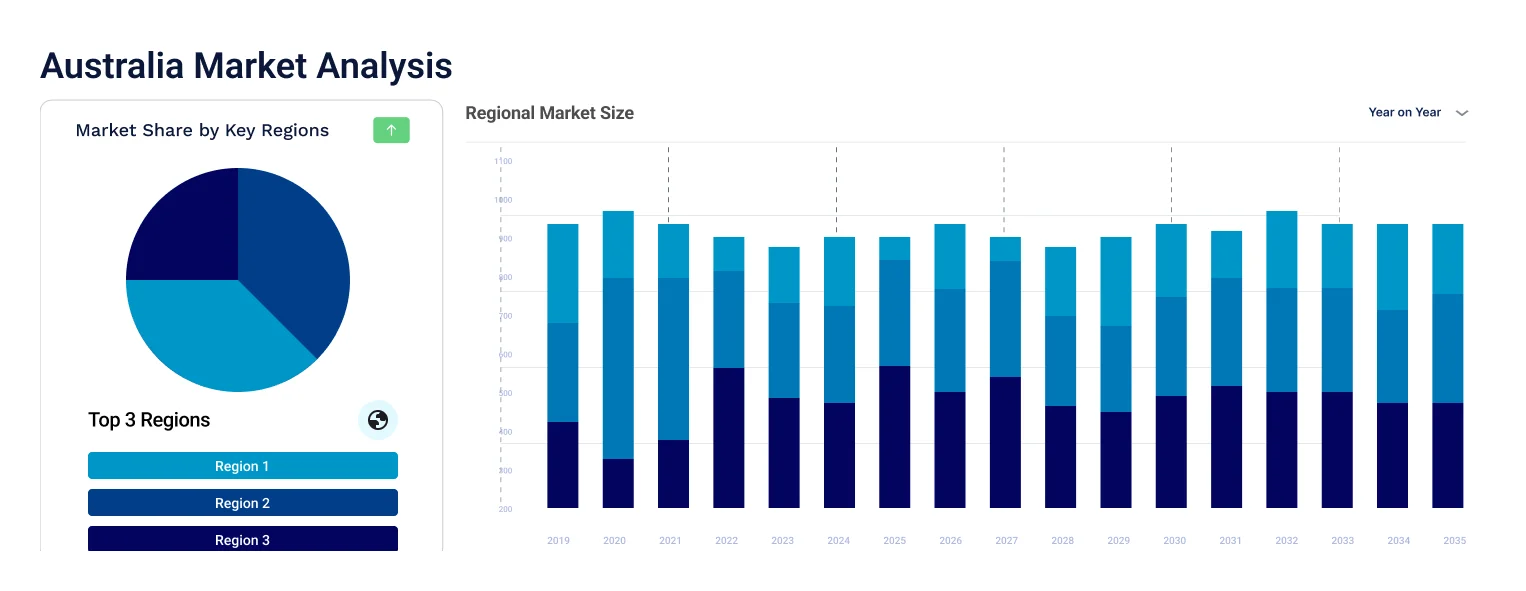
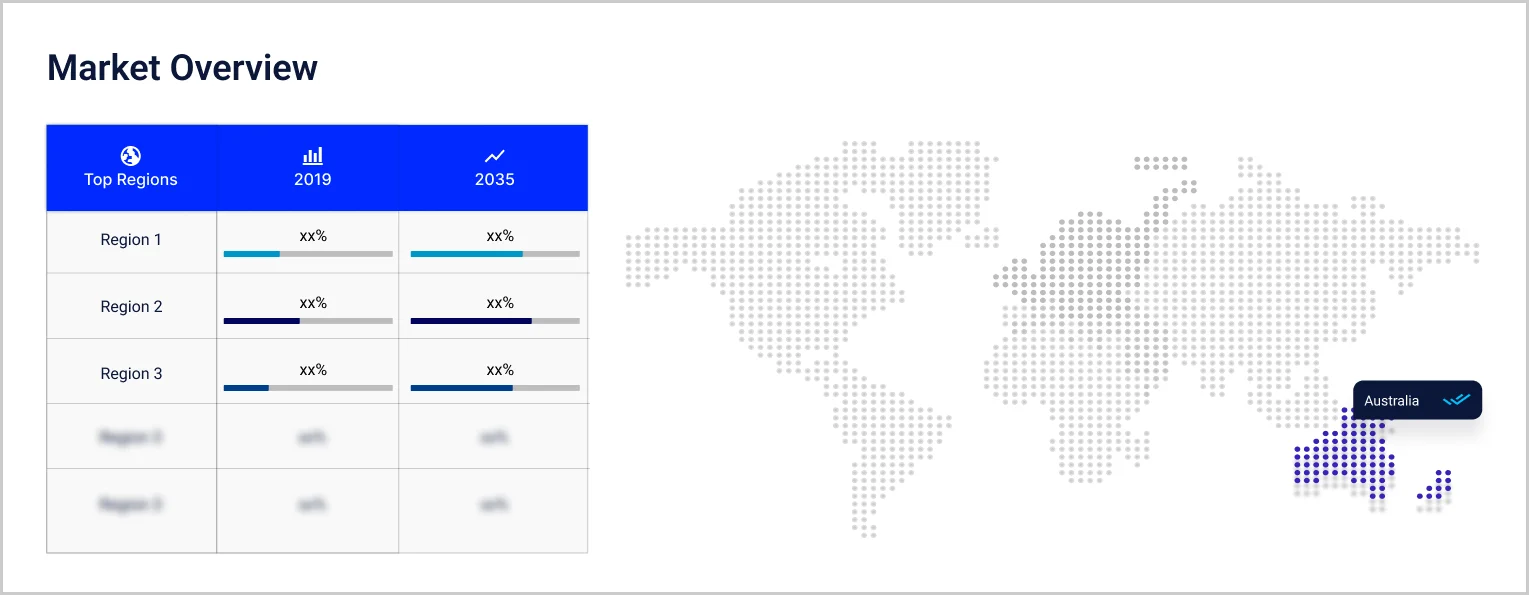
New South Wales dominates, in our estimate, as the Australian Bureau of Statistics counted 8.67 million residents at 31 March 2026, the largest state population, and it grows at an estimated 4.7% CAGR through 2035 from a large, mature base. Queensland is the fastest-growing region at an estimated 5.6%, on population inflow, with 5.74 million residents. Victoria grows at 4.8% from 7.15 million residents. Western Australia grows at 5.3% from 3.10 million. Others, covering four smaller jurisdictions that together hold about 3.26 million people, grow at 4.7%.
| CAGR 2026 to 2035, Market by Region | Growth Rate |
| New South Wales | 4.7 % |
| Victoria | 4.8 % |
| Queensland | 5.6 % |
| Western Australia | 5.3 % |
| Others (incl. South Australia, Tasmania, Australian Capital Territory and Northern Territory) | 4.7 % |
Competition combines global originator sponsors, generic suppliers and local distributors. Entry barriers include PBS listing and pricing negotiations, patent position, cold-chain pen supply, and prescriber and pharmacist relationships across community, hospital and online channels.
Novo Nordisk
Novo Nordisk, headquartered in Bagsvaerd, Denmark, sells Ozempic (semaglutide) and Wegovy in Australia through Novo Nordisk Pharmaceuticals. The PBS record shows a new Ozempic listing for type 2 diabetes finalised on 1 June 2025. In July 2025 the company told the TGA that stocks had recovered for new patients, and its Wegovy proposal for adults with cardiovascular disease and obesity was recommended by the PBAC in November 2025.
Eli Lilly and Company
Eli Lilly and Company, headquartered in Indianapolis, United States, sells Mounjaro (tirzepatide) and Trulicity in Australia and co-markets Jardiance with Boehringer Ingelheim. Mounjaro vials were unavailable until 31 August 2025, according to the TGA. The PBAC recommended tirzepatide for type 2 diabetes in March 2026, but Lilly declined the listing on 29 April 2026, citing an unviable price offer.
AstraZeneca
AstraZeneca, headquartered in Cambridge, United Kingdom, sells Forxiga (dapagliflozin) and the combinations Qtern and Xigduo XR in Australia for type 2 diabetes, heart failure and kidney disease. In February 2026 the Federal Court granted it an injunction preventing Pharmacor from selling two generic dapagliflozin products or listing them on the PBS, with the trial listed to begin on 31 August 2026.
Boehringer Ingelheim
Boehringer Ingelheim, headquartered in Ingelheim am Rhein, Germany, sells Jardiance (empagliflozin) and the combinations Glyxambi and Jardiamet in Australia. In April 2025 the PBS widened Jardiance access, letting eligible high-risk patients start alongside metformin regardless of HbA1c and adding more than 115,000 eligible Australians. The co-payment cut of January 2026 further lowers patient cost for its SGLT2 range.
Other players operating in the Australia diabetes drugs market include Sanofi, Merck Sharp and Dohme, Sandoz, Pharmacor, and Servier, alongside generic suppliers, insulin biosimilar sponsors, parallel distributors and wholesalers supplying diabetes medicines to pharmacies, hospitals and online providers across Australia.
Competition rests on subsidy listings, patent position, supply reliability and prescriber habits rather than price alone, while generic entry gradually pressures established oral and insulin brands.


Upto 30% Off
AUD


*While we strive to always give you current and accurate information, the numbers depicted on the website are indicative and may differ from the actual numbers in the main report. At Expert Market Research, we aim to bring you the latest insights and trends in the market. Using our analyses and forecasts, stakeholders can understand the market dynamics, navigate challenges, and capitalize on opportunities to make data-driven strategic decisions.*
The Australia diabetes drugs market is valued at AUD 1385.00 million in 2025, supported by a large and increasingly well-counted patient population, subsidy changes, expanding use of incretin therapies and a gradual shift towards injectable pens, with New South Wales as the largest region.
The market is forecast to reach AUD 2256.02 million by 2035, growing at a CAGR of 5.00 % over the 2026 to 2035 period, driven by rising diabetes prevalence, a lower PBS co-payment, restored incretin supply and continuing disputes over the listing and pricing of new therapies.
GLP-1 and GIP Receptor Agonists record the highest CAGR at an estimated 7.2% through 2035, as supply recovers, subsidy criteria evolve and private demand for incretin medicines continues to rise.
New South Wales dominates, as it has the largest state population at 8.67 million in March 2026. Queensland is the fastest-growing region at an estimated 5.6% CAGR, helped by population inflow.
Key players include Novo Nordisk, Eli Lilly and Company, AstraZeneca, Boehringer Ingelheim, Sanofi, Merck Sharp and Dohme, Sandoz, Pharmacor, and Servier.
The PBAC recommended tirzepatide for adults with inadequately controlled type 2 diabetes in March 2026, but the PBS record shows Eli Lilly is not proceeding with listing at this time.
The general co-payment fell from AUD 30 to AUD 25 on 1 January 2026, lowering the cost of empagliflozin and dapagliflozin products. The government expects savings above AUD 200 million a year.
Explore our key highlights of the report and gain a concise overview of key findings, trends, and actionable insights that will empower your strategic decisions.
| REPORT FEATURES | DETAILS |
| Base Year | 2025 |
| Historical Period | 2019-2025 |
| Forecast Period | 2026-2035 |
| Scope of the Report |
Historical and Forecast Trends, Industry Drivers and Constraints, Historical and Forecast Market Analysis by Segment:
|
| Breakup by Drug Class |
|
| Breakup by Dosage Form |
|
| Breakup by Distribution Channel |
|
| Breakup by Region |
|
| Market Dynamics |
|
| Competitive Landscape |
|
| Companies Covered |
|
Datasheet
AUD 2,749
AUD 2,499
tax inclusive*
Single User License
AUD 3,849
AUD 3,499
tax inclusive*
Five User License
AUD 4,949
AUD 4,499
tax inclusive*
Corporate License
AUD 6,049
AUD 5,499
tax inclusive*
*Please note that the prices mentioned below are starting prices for each bundle type. Kindly contact our team for further details.*
Flash Bundle
Small Business Bundle
Growth Bundle
Enterprise Bundle
*Please note that the prices mentioned below are starting prices for each bundle type. Kindly contact our team for further details.*
Flash Bundle
Number of Reports: 3
20%
tax inclusive*
Small Business Bundle
Number of Reports: 5
25%
tax inclusive*
Growth Bundle
Number of Reports: 8
30%
tax inclusive*
Enterprise Bundle
Number of Reports: 10
35%
tax inclusive*
How To Order

Select License Type
Choose the right license for your needs and access rights.

Click on ‘Buy Now’
Add the report to your cart with one click and proceed to register.

Select Mode of Payment
Choose a payment option for a secure checkout. You will be redirected accordingly.
Strategic Solutions for Informed Decision-Making
Stay upgraded and grab opportunities by strategic insights
Stay informed and aware for a Market Leverage
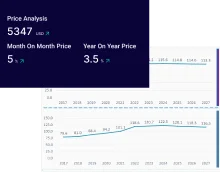
Analyze pricing patterns with comprehensive trend analyses.
Analyse trade data for supply chain insights.
Leverage cost reports for smart savings
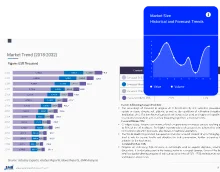
Elevate supply chain with collaboration
Contact Us for Further Information
Our specialized analysts will be available to answer all the pre-purchase and post-purchase queries regarding the report.
Our specialized analysts will be available to answer all the pre-purchase and post-purchase queries regarding the report.
Staying one step ahead of the market landscape with our in-depth research methods, integrating advanced analytics to drive precise and tangible outcomes.
Our expert analyst team offers a significant advantage over competitors, with extensive market insights into the latest trends, putting you strategically ahead.
We deliver a simplified yet extensive report, comprising in-depth industry insights and analytics tailored to your industry requirements.
We are happy to help you navigate through the services we offer and solve your queries.
Contact us