
The pharmaceutical and healthcare sector is progressing rapidly as new treatment methods, shifting regulatory frameworks, and the growing global push for equitable care are reshaping the landscape altogether. We help organizations within the market landscape to navigate this complexity with strategic insights that span the full product lifecycle. The scope of our work runs from early-stage R&D right through to market entry.
HOW WE HELP OUR CLIENTS IN THIS SECTOR
Market Forecasting and Demand Estimation
Healthcare organizations of all sizes face the same core challenge - making high-stakes decisions in markets that rarely hold still. We support global pharma and medtech firms, emerging biotechs, and investors in cutting through that uncertainty with evidence-based market sizing and demand forecasting built to withstand scrutiny.
The approach is consulting-led and deliberately comprehensive. Macroeconomic variables, disease burden, treatment adoption rates, pricing benchmarks, demand trends, competitive dynamics, regulatory frameworks, and investment signals are all brought into the model. The forecasts that come out of this process are not just directionally useful- they are actionable, informing real decisions on portfolio investment, go-to-market strategy, regional expansion, and long-term planning.
- Market Opportunity Sizing – The total, serviceable, and addressable market is quantified across geographies, patient segments, and product categories to give clients a grounded view of where the real opportunity lies.
- Scenario-Based Demand Forecasting – Demand trajectories are modelled against the technology penetration, disease prevalence, treatment adoption, and shifts in care delivery, so clients are prepared for multiple versions of the future.
- Pricing and Reimbursement Landscape Analysis – Current and projected pricing bands, cost structures, and payer dynamics are evaluated to surface the commercial realities that shape market access.
- Funding and Investment Analysis – Funding flows and investment activity across public, private, and strategic channels are tracked to keep clients informed of where capital is moving and why.
- Competitor Benchmarking – Competitive dynamics are analysed through market share assessments, investment activity, and the potential disruption posed by new entrants or technologies moving in from adjacent spaces.
Oncology Launch Prioritization Across Various Emerging Markets
Building a Demand Model for High-Potential Oncology MarketsA global pharmaceutical firm looking to expand its oncology portfolio across emerging economies engaged us to develop a data-backed model for the market entry prioritization. We built a forecasting model covering ten geographies, using inputs such as cancer incidence, mortality rates, therapy adoption benchmarks, treatment infrastructure, payer mix, and historical sales performance.
The assessment was structured by the tumor type, line of therapy, and administration route, allowing a deeper and closer view of demand readiness and the future market potential. Regulatory timelines and health financing systems were also reviewed to assess commercial readiness and identify possible barriers across access pathways.
Market Sequencing and the Resource PlanningThe study helped shape the client’s launch roadmap by identifying countries with favorable regulatory conditions, the rising demand for the targeted therapies, and increasing the public investment in oncology care. Market entry was sequenced based on market size, launch speed, and ease of penetration.
Country-specific factors, including the reimbursement timelines, pricing corridors, and the local prescribing patterns, were also mapped to support a better commercial planning. These findings aligned with market access, commercial, and regulatory teams across regions and various functions. The client was able to revise the launch order, secure an early affiliate support, and shorten go-to-market timelines in the priority regions.
Radiotherapy Patient Positioning Accessories Market Sizing
Defining the Market for Standalone Positioning SolutionsA leading medical device manufacturer approached us to assess the standalone market opportunity for patient positioning accessories used in radiotherapy, including immobilization masks, headrests, fixation boards, and body cradles. Since these products are often bundled with linear accelerators, the client wanted to separate this category and evaluate its commercial potential independently.
We developed a market-sizing model across the regions of North America, Europe, and Asia-Pacific by integrating radiotherapy procedure volumes, the cancer type distribution, the equipment replacement cycles, and care-setting trends. The model also reflected the product-specific wear-out rates, variations in the clinical workflows, and local sterilization and procurement requirements. This helped estimate the total addressable demand and identify high-value product segments suited for a separate commercial strategy.
Product Customization, Pricing, and Market Access PlanningThe findings supported the client’s product value roadmap by focusing on the features aligned in parallel with the clinical requirements and the operating efficiency. We assessed the various import regulations, the sterilization compliance needs, and the site-level procurement cycles to inform the local pricing strategies and the sales enablement tools.
These findings shaped investment decisions regarding product design changes and helped build a stronger value proposition for the public hospitals, private clinics, and academic cancer centres. The client had successfully separated the accessories portfolio from the equipment sales and had expanded its presence across the high-opportunity radiotherapy markets.
Drug Pipeline Assessment
Understanding where the competitive and scientific landscape is heading across the therapeutic areas is not always straightforward. The pipeline moves constantly, and the decisions tied to it carry authentic weight. We help the clients build the structured visibility into that movement, from discovery right through to regulatory approval, so nothing important gets missed along the way.
The team looks closely at emerging mechanisms of action, trial strategies, sponsor behaviour, and development risk. The work is methodical, and the insights that come out of it are built to be used. R&D portfolio reviews are guided, whitespace opportunities are surfaced, and clearer pathways for co-development, licensing, and M&A decisions are opened up as a result.
- End-to-End Pipeline Mapping – Investigational assets are tracked across preclinical, clinical, and regulatory phases. The segmentation by geography, sponsor, and modality gives clients a full picture of where the competitive field actually stands.
- Innovation Gap Analysis – Over-saturated targets and the unmet needs are identified by various benchmarking mechanisms, endpoints, and the patient subgroups. The findings point clients toward spaces where meaningful differentiation is still within reach.
- Regulatory Acceleration and Risk Assessment – Trial success rates, orphan designations, and the fast-track approvals are closely monitored. The aim is to help the clients make well-informed calls about the timing and market positioning before the window narrows.
- Analyzing Post-Approval Activities – Phase IV studies, label expansions, and pharmacovigilance methods are examined in-depth. The focus is on giving the clients a clear view of how approved assets continue to develop well beyond the point of launch.
- Strategic Opportunity Identification – Licensing and collaboration trends are evaluated across development stages. The insights are used to inform decisions around strategic partnering, M&A activity, and out-licensing opportunities that align with where the market is heading.
Guiding R&D Investment Through Competitive Pipeline Tracking
Benchmarking Pipeline Activity and Portfolio SaturationA mid-sized biopharmaceutical company engaged us to assess the innovation progress and competitive intensity within the core therapeutic area. We built a detailed pipeline tracker covering the assets from preclinical development through Phase IV, classified by indication, mechanism of action, sponsor type, and geography.
The analysis also reviewed trial design complexity, attrition rates, regulatory acceleration markers, including brands like Fast Track and Breakthrough Designation, and the clinical activity around various academic research hubs. This gave the client a transparent, clear view of the therapeutic momentum, the emerging targets, and changing clinical development strategies within the area.
Supporting Risk-Adjusted R&D Planning and Portfolio RealignmentThe report became a key input for the client’s R&D prioritization work and supported the evidence-led resource allocation. By measuring the asset concentration across specific subpopulations and comparing clinical design patterns, we helped identify crowded areas with limited differentiation potential, as well as underexplored spaces with high unmet need.
The findings also supported the co-development deal planning and the improved internal clarity on pipeline competitiveness. Senior leadership was able to make timely go/no-go decisions using structured development intelligence rather than relying on assumptions.
Strategic Expansion Planning Across Adjacent Therapy Areas
Mapping Early-Stage Development Beyond Core IndicationsA global healthcare major planning to enter the adjacent therapeutic areas engaged us to assess an early-stage innovation outside its existing portfolio. We mapped the pipeline activity across shortlisted indications, with a focus on the various preclinical and Phase I assets.
The work combined pipeline analysis with the IP filing trends, academic licensing activity, seed-stage funding signals, and the company-academic partnerships. This helped identify the early movement around various chosen targets, delivery platforms, and biological pathways before the wider market attention or commercial crowding emerged.
Building Entry Roadmaps and Partnership PathwaysThe client’s strategy and business development teams used the analysis to identify less visible innovation areas with a limited development overlap and a strong licensing potential. For the most promising targets, we assessed the clinical feasibility, the licensing readiness, and the projected development costs.
We also profiled the emerging innovators that could support co-development or in-licensing opportunities. The findings supported the client’s 3–5-year expansion plan, strengthened early-stage portfolio committee discussions, and helped internal teams identify suitable assets for in-licensing, acquisition, or collaboration.
Epidemiology Forecast Reports
Reliable epidemiology data is not always easy to come by, and the cost of getting it wrong is high. We support clinical-stage companies, commercial teams, and investors with decision-grade epidemiology models that are built around therapeutic and strategic objectives, not just general assumptions.
The modelling is designed to give clients a clear picture of the current and projected burden of diseases across geographies. The populations are broken down by clinically and commercially relevant segments, so the numbers reflect the real-world complexity of the markets being assessed. Trial feasibility, launch readiness, pricing models, and rare disease investments are all areas where these forecasts make a tangible difference.
- Patient Population Estimation – Delivery of multi-year disease burden forecasts that cover total, diagnosed, and treatable patient pools across base and forecast years essentially give the client base a head start for planning.
- Subgroup Stratification – Populations segmented by the categories of genotype, biomarker, disease stage, age, and comorbidity, support more targeted trial design and a sharper commercial strategy.
- Patient Journey and Flow Analysis – Progression is mapped from prevalence through to diagnosis, treatment initiation, and long-term outcomes. The full picture of how patients move through the system is what makes these models genuinely useful.
- Regional and Site-Level Forecasting – National and sub-national estimates are generated to inform site feasibility and access planning at the level of detail that operational teams actually need.
- Rare Disease Opportunity Modeling – Future addressable populations are forecast based on diagnostic expansion, screening programmes, and clinical advancement, giving investors and developers a clearer view of where rare disease opportunities are heading.
Supporting Trial Design Through Precise Patient Modelling
Estimating Target Patient Pools for Clinical PlanningA clinical-stage biotech firm developing an immunotherapy for a rare solid tumor engaged us to estimate its target patient population across key global markets. We built a tailored epidemiology model covering prevalence, incidence, diagnosis rates, and patient eligibility based on the trial’s inclusion and exclusion criteria.
The model patient segmentation was done by age, disease stage, diagnostic access, gender, and treatment status. Inputs were drawn from the published literature, cancer registries, and validated the secondary datasets. A 10-year forecast was also applied to assess patient pool growth, especially in regions where diagnostic capacity and treatment access are expanding.
Improving Recruitment Feasibility and Site SelectionThe findings helped the client’s clinical operations team build an enrolment strategy grounded in the real-world eligibility conditions. Using the sub-national prevalence data, we identified recruitment hotspots and highlighted geographies where limited diagnostic access could slow enrolment.
These outputs supported site-level target setting, protocol screening adjustments, and considerable early engagement with the local investigators. The model also strengthened the submission materials for the regulatory bodies and the ethics committees by providing a clear rationale for the suggested enrolment numbers as well as the site distribution. This helped the client reduce screen failure rates and improve the first-patient-in timelines across multiple trial regions.
Validating Rare Disease Market Potential for Investment
Forecasting Long-Term Patient Volumes for Asset EvaluationAn investment firm assessing entry into the rare disease segment required strong epidemiological evidence to evaluate the commercial potential of a gene therapy candidate for a metabolic disorder. We developed a 15-year epidemiology forecast across the US, EU5, and Japan, segmented by genotype, age of onset, and diagnostic accessibility.
The model combined registry data, published prevalence studies, and diagnostic expansion trends to define current and future addressable patient populations.
Strengthening Investor Confidence and Supporting Portfolio EntryThe analysis helped the client test key commercial assumptions, including peak patient reach, expected penetration timelines, and long-term revenue potential. Scenario planning was built into the model to assess the changes in screening uptake, improvements in diagnostic rates, and the payer adoption.
These outputs were integrated into the valuation models and the internal investment committee presentations. The epidemiological forecasts were also used in the external discussions with various co-development partners and the strategic buyers, helping strengthen the overall investment case.
Technology and Patent Analysis
The IP landscape across sectors like the pharmaceuticals, biologics, diagnostics, and devices is complex to navigate. The stakes tied to exclusivity, litigation exposure, and freedom to operate are too high for decisions to be made without a clear and structured view of the landscape.
We help clients cut through the said complexity with our patent analysis being applied to assess the various factors like exclusivity duration, portfolio defensibility, and litigation risk, feeding directly into launch strategy, investment evaluation, and lifecycle management decisions. The consulting frameworks used are built to translate legal complexity into strategic clarity, so both commercial and legal functions can move with confidence.
- Patent Landscape Mapping – Core and secondary patents are identified across target jurisdictions, technologies, and claim types to give clients a comprehensive view of the IP terrain they operate in.
- Exclusivity Timeline Analysis – Patent expiry timelines are analysed in detail, including compound patent cliffs, Supplementary Protection Certificates, and Patent Term Extensions. The aim is to identify launch windows and flag exposure risks before they become problems.
- Freedom-to-Operate Assessment – Barriers to entry are evaluated and potential workarounds or design-arounds are highlighted in crowded IP spaces, giving clients a clearer path forward.
- Litigation and Legal Risk Monitoring – Oppositions, invalidation proceedings, and inter partes reviews are tracked to give clients an honest assessment of where their portfolio may be vulnerable.
- Licensing and IP Monetisation Strategy – Out-licensing, asset acquisition, and valuation decisions are supported through defensibility and coverage analysis, helping clients extract the most from the IP assets they hold.
Evaluating The Exclusivity Timelines for Launch Planning
Assessing Global Patent Exposure and Exclusivity RoutesA pharmaceutical company preparing to launch a competitive formulation in small-molecule oncology engaged us to assess the intellectual property position of the reference product. We conducted a multi-jurisdictional patent review across the regions of the US, EU, and APAC, covering various factors like the composition-of-matter, formulation, method-of-use, and the secondary patent families.
Our team mapped the legal status, expiry timelines, supplementary protection certificates, patent term extensions, and exclusive designations, including the specific Orphan Drug and New Chemical Entity status. The opposition, litigation history, and the active appeals were also reviewed to identify the possible barriers to generic entry.
Supporting Launch Planning and Legal Risk ControlThe analysis helped the client’s regulatory and legal teams understand the market-specific risk profiles, prioritize filings, and prepare mitigation plans for the potential higher-risk regions. Commercial teams used the expiry forecast model to align the promotional as well as the sales activity with probable entry windows, especially in markets with the expiring SPCs or limited post-grant legal activity.
This helped the client deploy the essential resources on time and reduce delays in the sales activation. The findings also supported the board-level go/no-go decisions, allowing the client to lower the exposure risk and secure timely access to high-value markets after loss of exclusivity.
Supporting Technology Evaluation During Due Diligence
IP Review for Licensing CandidatesA healthcare-focused private equity firm engaged us during due diligence for a licensing transaction involving the multiple early-stage assets. We carried out a detailed IP assessment for each of the candidates, covering the patent breadth, remaining exclusivity period, freedom-to-operate, and potential design-around risk.
The review examined claim enforceability, novelty, backward and forward citation histories, and prior art challenges to assess the protection strength. Other elements like the jurisdictional coverage and patent family size were also evaluated to calculate the overall global market protection and possible litigation exposure.
Guiding Licensing Decisions and Negotiation LeverageThe findings helped the client rank candidates based on the IP defensibility and fit with commercial objectives. Assets with narrow or poorly prosecuted patents, pending oppositions, or unproven innovation claims were deprioritized.
For stronger candidates, our IP scoring system emphasized the areas that could, in practical terms, support the negotiation leverage, particularly where the remaining exclusivity runway was comparatively shorter than the industry benchmarks. The client shortlisted three assets and proceeded with the two licensing agreements backed by a rather stronger IP positioning. Our work helped them avoid the unnecessary, expensive post-deal issues and build a licensing portfolio supported by our enforceable, scalable innovation.
Market Insights
Our goal is to become your trusted partner across industries, aspiring for an in-depth market perspective, helping you succeed through the dynamic market terrain.
Consumer Insights
Analyzing the trends, behaviours, and client preferences for detailed marketing programs.
Competitive Benchmarking
Providing a thorough examination of the competitive landscape for a deeper evaluation of strengths and recognition of opportunities.
Major Performance Indicators
These indicators ensure industry standards are met and demonstrate the value we provide to our clients.

Insightful Analysis for Strategic Guided Choices
Stay upgraded and grab opportunities by strategic insights
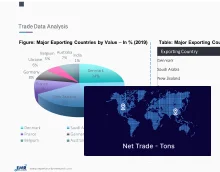
Stay informed and aware for a Market Leverage
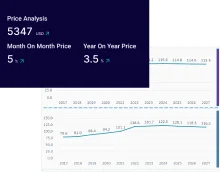
Analyze pricing patterns with comprehensive trend analyses.
Analyse trade data for supply chain insights.

Leverage cost reports for smart savings
Elevate supply chain with collaboration
We are happy to help you navigate through the services we offer and solve your queries.
Contact us
