
Manufacturing transforms raw materials into finished products across various sectors, with a strong focus on efficiency, quality, and environmentally responsible operations. Our services cover competitive analysis, supply chain, vendor analysis, market entry strategies, sustainability and ESG assessment, supporting manufacturers through technology tracking, risk planning, investment insights, and adopting more sustainable production practices.
HOW WE HELP OUR CLIENTS IN THIS SECTOR
After-Sales Service Analysis
Our market research services provide the detailed aftermarket analysis to help the manufacturers identify growth opportunities across diverse spare parts, maintenance, and product upgrades. We assess the customer preferences, competitor strategies, and the upcoming market trends, enabling the manufacturers to refine pricing, improve the service offerings, and strengthen customer retention in the aftermarket segment.
- Analysing customer reviews, surveys, and feedback to measure satisfaction levels.
- Implementing regular assessments and feedback loops to monitor service quality and maintain required standards.
- Evaluating the effectiveness of customer support channels.
- Using customer service data and trend analysis to identify pain points and improve service processes.
- Examining competitor after-sales service strategies to identify best practices and areas for stronger positioning.
Optimizing After-Sales Service Strategies in Auto Parts Manufacturing
Identifying The Service Improvement Opportunities in the Global Auto Parts MarketWe supported after-sales service improvement in the global auto parts manufacturing market by assessing customer expectations around product support, faster replacement services, and strong warranty programs. The analysis focused on real-time tracking technologies, AI-led analytics for predicting part failures, and digital platforms that improve customer interaction. Competitor service models were also assessed to identify gaps in service delivery and reduce the total cost of ownership for end users.
A key finding was the rising demand for customised, on-demand spare parts and the shift toward direct-to-consumer distribution models. This change is being driven by the customer preference for convenience, faster delivery, and better supply chain visibility. Predictive maintenance tools also emerged as an important opportunity, as data analytics can help forecast part failures, reduce unplanned downtime, and improve customer satisfaction.
Building Long-Term Value Through After-Sales ExcellenceWe assessed high-impact service strategies, including automated parts ordering systems, AI-based inventory management, and real-time technical support through digital channels. The study also identified developed the automotive markets where the customers place stronger importance on high-quality service, creating clear opportunities for manufacturers to improve retention and strengthen brand value.
Key Opportunities Within the Global Coal Market
Improving Operational Efficiency Across Coal OperationsWith a focus on supply chain reliability, timely delivery, and maintenance support for coal processing equipment, our analysis identified ways to improve operational efficiency through advanced tracking systems, predictive maintenance, and customer-focused service models. Regional market trends, customer requirements, and competitor offerings were reviewed to identify service gaps and improve the post-purchase process.
A major finding was the growing need for automated, data-led solutions to monitor coal handling and transportation systems. Clients increasingly require real-time equipment performance data to maintain the continuous coal movement and avoid the supply disruptions. Demand for eco-efficient technologies in coal processing and handling has also created opportunities for maintenance services that improve system life and operating efficiency.
Strengthening Customer Loyalty Through After-Sales SupportWe reviewed the service strategies that support coal production, including the proactive maintenance packages, remote monitoring services, and even on-site equipment support. The analysis also identified the regions with a strong mining and the power plant activity, where clients require constant technical assistance to maintain productivity.
Environmental Compliance
Our analysis helps the manufacturing firms adopt sustainable practices and improve energy efficiency across their operations. By using market and the regulatory data, we support more efficient resource use, reduced waste, and the adoption of energy-saving technologies. This helps manufacturers meet compliance requirements, lower operating costs, and strengthen their market position with stronger environmental and financial planning.
- Providing current updates on local and global environmental regulations affecting the manufacturing sector.
- Assessing manufacturing operations to identify areas where sustainability practices can be improved or integrated.
- Presenting detailed analysis of relevant environmental certifications.
- Tracking environmental compliance KPIs to help manufacturers improve sustainability performance over time.
- Monitoring changes in environmental laws and regulations to help businesses stay prepared for compliance deadlines.
Ensuring Environmental Compliance in Composite Marble Slab Manufacturing
Adopting Cleaner Technologies Across ProductionWe assessed how the rising regulatory pressure is reshaping the production practices in the composite marble slab industry. A key finding was the stronger focus on reducing carbon emissions and lowering water use, especially in the traditional manufacturing setups where these issues are more common.
Several manufacturers are investing in low-energy resin curing systems, high-efficiency dust extractors, and dry-processing equipment that reduces their dependence on water. These technologies support compliance and also help lower utility costs. As the green procurement standards gain importance across the infrastructure and real estate segments, early adopters are becoming preferred vendors in the domestic and export markets.
Managing Regulatory Shifts in Hazardous Chemical UsageWe examined how environmental rules are changing the way manufacturers handle chemical inputs across production lines. A major analysis was that the rising pressure to reduce substances linked to air and water pollution. Many manufacturers are shifting toward more water-based alternatives, automating chemical handling to reduce the exposure risks, and improving containment systems to manage the run-offs and residues.
Embedding Sustainability in Smart Home Humidity Controller Manufacturing
Cleaner Production Through Utility Optimisation and Process ImprovementWe assessed how the environmental compliance is changing manufacturing setups for smart humidity controllers. A key finding was the growing focus on reducing electricity use and limiting waste heat emissions. To support this, many facilities are being deploying automated energy-monitoring systems, optimizing the SMT equipment cycles, and introducing low-energy curing stations for sensor housing.
These upgrades are helping the manufacturers meet the stricter energy benchmarks without affecting product consistency, particularly as buyers place greater importance on cleaner supply chains in the home electronics segment.
Reducing Material Impact and Improving Emissions ControlFurther analysis showed that the material selection and emissions control are becoming important parts of compliance planning. Many manufacturers are moving toward the eco-friendly alternatives such as recycled plastics and the sustainable metals to reduce environmental impact.
Product designs are also being optimised to use fewer materials without reducing their performance. Lean manufacturing practices are helping cut production waste, while local sourcing and partnerships with the certified suppliers are improving supply chain sustainability.
Cost Analysis
Our cost analysis services help the manufacturers understand production expenses, cost drivers, and operational efficiency. Using market research and cost modelling, we support the identification of cost-saving areas, workflow improvement, and stronger profitability. The analysis helps businesses make informed decisions for stable and sustainable growth.
- Providing detailed cost analysis across raw materials, labour, and overheads to identify cost-saving opportunities.
- Monitoring raw material costs, operational costs, and other factors that may affect cost fluctuations.
- Evaluating new technologies and automation tools that can improve production efficiency and reduce operating costs.
- Identifying hidden costs to improve overall cost-effectiveness.
- Comparing operational costs with industry benchmarks to identify areas for cost reduction.
Cost Structure Assessment for Desert Sand Bricks Manufacturing
Balancing Capital Investment for Sustainable Plant OperationsWe evaluated the key cost components which were involved in establishing the desert sand bricks manufacturing facility and observed that the absence of the energy-intensive kiln systems contributes to comparatively lower capital requirements. This advantage is particularly visible across the land development, civil construction, and machinery investments, where the modular and the lightweight plant configurations support a much more efficient production scaling. However, the expenditure on electrical installations, piping networks, and auxiliary infrastructure requires careful budgeting to avoid cash flow constraints during the initial production phase. Manufacturers that align their capital investment with the projected operational breakeven timelines, are generally better positioned to achieve a smoother transition from commissioning to a full-scale commercial operations.
Managing Raw Material and Utility Costs to Protect ProfitabilityOur assessment highlighted that effective control of the raw material and the utility expenses is essential for sustaining healthy profit margins. Even when the desert sand remains readily available and cost-effective input. The primary cost pressures the stem from the recurring expenditure on the binding agents, water, and electricity used throughout the compaction and curing processes. Many of the manufacturers have addressed these challenges by adopting the energy-efficient mixing equipment and closed-loop water recycling systems, helping reduce the operating overheads and maintain consistent per-unit production costs. This approach is particularly valuable in a contract-driven markets where the pricing flexibility directly impacts the competitive landscape.
Investment and Cost Optimisation in Paper Insulated Copper Manufacturing
Planning Capital Allocation Across Infrastructure and EquipmentWe evaluated the capital investment required to establish a paper-insulated copper wire manufacturing facility and found that the largest cost commitments are associated with the specialized production machinery, precision winding equipment, and copper processing systems. Although the overall infrastructure requirements remain relatively moderate, significant investment is directed towards the insulation units, paper drying systems, and controlled-environment assembly areas. Manufacturers that plan these expenditures in detail are generally better equipped to avoid the budget overruns while maintaining a considerably greater control throughout the commissioning and the early stages of plant operations.
Improving Operational Efficiency Through Better Input Cost ManagementOur analysis demonstrated that fluctuations in copper prices and the quality of paper insulation materials have a direct influence on production costs, making procurement planning a critical business function. Facilities that secured the long-term copper supply agreements and purchased the insulation materials in bulk, achieved greater cost stability and improved the budgeting accuracy. In addition, Electricity consumption across the annealing, wrapping, and testing operations remained a significant operating expense. Manufacturers investing in intelligent process controls and energy-efficient thermal systems experienced fewer operational interruptions and maintained more consistent per-unit production costs, an important advantage when supplying the utility companies and the OEM customers operating within the tight pricing structures.
Supply Chain Optimization
Our services help manufacturing clients improve the supply chain performance through a clear analysis of the sourcing strategies, demand forecasting, and the logistics efficiency. We support the supplier selection, risk reduction, and inventory management, helping the manufacturers reduce costs, improve operations, and stay competitive in a dynamic market conditions.
- Tracking global sourcing trends and possible disruptions that may affect supply chains.
- Analysing the supply chain workflows to identify inefficiencies, delays, and practical improvement areas.
- Tracking external factors that influence overall supply chain performance.
- Assessing supplier market conditions to improve sourcing decisions and reduce risks.
- Analysing transportation and logistics trends to improve supply chain efficiency.
Optimising Material Flow and Distribution in Vinyl Acrylic Copolymer Manufacturing
Strengthening Raw Material Sourcing and Inventory ManagementWe worked with a mid-sized chemical company seeking to expand into specialty polymers as part of the portfolio diversification strategy. Our guidance emphasized the importance of maintaining a reliable supply of vinyl acetate, acrylates, and the catalysts to ensure uninterrupted production. Facilities that established long-term supplier partnerships and adopted lean inventory practices reduced the procurement delays while avoiding the unnecessary stock accumulation.
Our analysis also found that manufacturers using a real-time inbound material tracking systems improved the batch scheduling accuracy, minimized production downtime, and managed to maintained a greater consistency throughout polymerization cycles. These operational improvements contributed directly to stronger cost control and more stable production performance.
Enhancing Distribution Efficiency Through Strategic LogisticsOur findings highlighted the importance of well-planned distribution networks in preserving product quality, particularly for latex-based products. Manufacturers that adopted sustainable, transport-ready packaging along with the developed decentralized warehouse networks experienced fewer transit delays and reduced product losses. The analysis also showed that aligning the shipment schedules with the seasonal demand across the paints and construction industries helped minimize the warehouse congestion and also prevent inventory aging. These logistics improvements shortened the delivery lead times and strengthened the order-fulfillment performance across the B2B distribution channels.
Strengthening End-to-End Supply Chain Coordination in Fluted Laminates Manufacturing
Improving Material Procurement and Supplier CoordinationOur analysis examined the role of efficient raw material sourcing in maintaining stable production output within fluted laminate manufacturing. Paper substrates, adhesives, and coatings represented the largest share of procurement activity. Manufacturers that maintained well-coordinated supplier relationships and structured purchasing schedules were better able to prevent the stock shortages and achieve consistent batch quality. Several facilities also implemented the digital procurement platforms to monitor the supplier performance and lead times, reducing the production delays caused by late deliveries. These practices supported uninterrupted manufacturing operations while the strengthening reliability across the downstream customer relationships.
Building Faster and More Reliable Distribution NetworksWe also assessed the impact of outbound logistics on customer retention, particularly within the packaging and construction industries. Manufacturers that established decentralized distribution hubs or the positioned storage facilities closer to the key demand centers achieved more consistent delivery performance. Our findings showed that the customized packaging solutions and the pre-dispatch quality inspections reduced the product returns while improving the inventory movement across distributor networks. As the regional demand fluctuated, especially during the seasonal construction periods, flexible dispatch planning proved essential for maintaining responsive and efficient supply chain operations.
Market Insights
Our goal is to become your trusted partner across industries, aspiring for an in-depth market perspective, helping you succeed through the dynamic market terrain.
Consumer Insights
Analyzing the trends, behaviours, and client preferences for detailed marketing programs.
Competitive Benchmarking
Providing a thorough examination of the competitive landscape for a deeper evaluation of strengths and recognition of opportunities.
Major Performance Indicators
These indicators ensure industry standards are met and demonstrate the value we provide to our clients.

Insightful Analysis for Strategic Guided Choices
Stay upgraded and grab opportunities by strategic insights
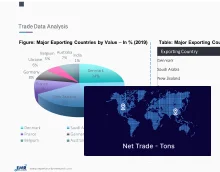
Stay informed and aware for a Market Leverage
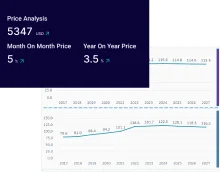
Analyze pricing patterns with comprehensive trend analyses.

Analyse trade data for supply chain insights.

Leverage cost reports for smart savings
Elevate supply chain with collaboration
We are happy to help you navigate through the services we offer and solve your queries.
Contact us
