Consumer Insights
Uncover trends and behaviors shaping consumer choices today
Procurement Insights
Optimize your sourcing strategy with key market data
Industry Stats
Stay ahead with the latest trends and market analysis.
The Australia patient monitoring market covers bedside and portable monitors, cardiac and respiratory monitoring devices, neuromonitoring equipment, wearable sensors, consumable accessories, and the software and services that carry vital signs data to clinicians. Products range from multi-parameter bedside monitors to chest patches and home kits that stream readings to a care team.
In 2025, the market is valued at AUD 420.00 million in 2025 and is forecast to grow at a (CAGR) of 7.10%, reaching AUD 833.96 million by 2035. Demand rests on an ageing population, rising chronic disease, hospital-at-home programmes, public hospital capital budgets and the shift of routine observation from ward rounds to continuous, connected measurement.
Compound Annual Growth Rate
7.1%
Value in AUD million
2026-2035
The Australia patient monitoring market blends a hardware replacement cycle with fast-growing connected care. Public and private hospitals renew bedside monitors, central stations and sensors, while state health services add home kits, wearables and software that let clinicians watch patients outside the ward. Recurring sensors, licences and service contracts add revenue after each installation.
Three forces shape the outlook: virtual wards that treat patients at home, wireless wearables that replace cabled sensors, and hospital software that links monitors to patient flow and electronic records. Regulation of software and wearables, and tender-based public purchasing, influence which suppliers win.
In December 2025 Victoria began a Virtual Hospital pilot, and in March 2026 Alcidion signed a five-year remote monitoring contract with Gold Coast Health. In August 2026 Philips widened its open monitoring ecosystem with six wearable and home-care partners.
The market is moving from stand-alone bedside monitors towards connected systems in which sensors, wearables and software feed one clinical record. Multi-Parameter Monitors remain the core installed base, while Remote and Wearable Monitoring Devices add the most momentum. Critical and Perioperative Care holds the largest application share, with Cardiology advancing fastest. Hospitals lead purchasing, and Home Care Settings gain share. New South Wales is the largest region and Queensland grows quickest. Service contracts, sensor consumables and clinical analytics software underpin a steady mid-to-high single-digit outlook. Australian health services also weigh clinician workload and cybersecurity when choosing platforms.
| Metric | Value |
| Market Size 2025 | AUD 420.00 million |
| Projected Market Size 2035 | AUD 833.96 million |
| CAGR 2026 to 2035 | 7.10% |
| Fastest-Growing Device Type | Remote and Wearable Monitoring Devices: 12.4% CAGR |
| Fastest-Growing Application | Cardiology: 8.1% CAGR |
| Largest Revenue Segment 2025 | Multi-Parameter Monitors |
| Dominant Region | New South Wales |
| Highest CAGR by Region | Queensland: 7.9% |
| Victorians treated by the Virtual Hospital Pilot by August 2026 | More than 600 |
Connected Care Lifts Revenue
Revenue is on course to roughly double across the decade, from AUD 420.00 million in 2025 to AUD 833.96 million in 2035 at a 7.1% CAGR. Replacement cycles, virtual wards and recurring sensor and software spend make demand durable.
Wearables and Home Care Lead Growth
Remote and Wearable Monitoring Devices grow at an estimated 12.4% CAGR and Home Care Settings at an estimated 11.2% CAGR through 2035. Cardiology advances at 8.1% as heart failure and post-surgical patients move into virtual wards.
Public Programmes and Software Shape Purchasing
State virtual care pilots, federal digital health funding and Medicare telehealth support influence where monitoring budgets go. Suppliers that pair devices with integration software and service gain bargaining power. Cybersecurity, interoperability and clinician workload increasingly decide tender outcomes.
| Report Summary | Unit | Value |
| Base Year | AUD million | 2025 |
| Historical Period | AUD million | 2019 to 2025 |
| Forecast Period | AUD million | 2026 to 2035 |
| Market Size 2025 | AUD million | 420.00 |
| Market Size 2035 | AUD million | 833.96 |
| CAGR 2026 to 2035 | Percentage | 7.10 % |
| CAGR by Device Type: Remote and Wearable Monitoring Devices | Percentage | 12.4 % |
| CAGR by Application: Cardiology | Percentage | 8.1 % |
| CAGR by End User: Home Care Settings | Percentage | 11.2 % |
| CAGR by Region: Queensland | Percentage | 7.9 % |
| Victorian Virtual Hospital Pilot Funding | Million AUD | 6.1 |
| Federal Budget Funding for State Hospital Digital Reforms, May 2026 | Million AUD | 79.2 |
| Market Share by Region 2025 | New South Wales | Dominant Share |
An ageing population, chronic disease and hospital-at-home programmes sustain monitor renewal, while wireless sensors and software add value. Hospitals lead purchasing and the northern states grow fastest.
The Australia patient monitoring market is being reshaped by virtual hospitals, home monitoring kits, federal digital health funding and expanded Medicare telehealth support.
August 2026 - Victoria's Virtual Hospital Pilot Passes 600 Patients
June 2026 - Metro North Health Details Its Virtual Ward Home Kit
May 2026 - Federal Budget Funds Hospital Digital Reforms
March 2026 - Medicare Adds Telehealth Patient-End Support Items
Virtual wards, wireless sensors and shared digital records move monitoring from the bedside into the home. Public funding and telehealth support encourage health services to invest in connected platforms.
Recent developments, presented from the most recent, show the Australia patient monitoring market moving through local software contracts, global ecosystem partnerships, oximetry innovation and new vital signs monitors.
August 2026 - Alcidion Reports Remote Monitoring Contract Live in Queensland
August 2026 - Philips Expands Its Open Patient Monitoring Ecosystem
June 2026 - Medtronic Wins Clearance for Nellcor with Nell-EQ
September 2025 - Baxter Launches the Welch Allyn Connex 360 Monitor
Local software firms win home monitoring contracts while global suppliers add wearables, improved oximetry and connected vital signs devices. Open platforms increasingly decide which sensors reach Australian wards.
The Expert Market Research’s report on the Australia Patient Monitoring Market offers a detailed analysis of the market based on the following segments.
Market Breakup by Device Type
Multi-Parameter Monitors lead revenue, as hospitals renew bedside units and Baxter launched the Welch Allyn Connex 360 in September 2025. Cardiac Monitoring Devices cover telemetry, Holter and implantable recorders. Respiratory Monitoring Devices include pulse oximetry and capnography, where Medtronic announced Nellcor with Nell-EQ in June 2026. Neuromonitoring Devices cover depth-of-anaesthesia and brain activity monitoring in theatres. Remote and Wearable Monitoring Devices grow fastest at an estimated 12.4% CAGR, after Philips added six wearable and home-care partners in August 2026.
Market Breakup by Application
Critical and Perioperative Care leads revenue, covering intensive care, emergency and theatre monitoring across public and private hospitals. Cardiology grows fastest at an estimated 8.1% CAGR, as Victoria's Virtual Hospital Pilot began with heart failure and post-cardiac care in December 2025. Respiratory Disorders benefit from home oximetry, with Metro North Health supplying oxygen saturation probes in its virtual ward in June 2026. Neurology covers seizure, stroke and sedation monitoring. Others includes maternal, neonatal and general ward observation.
Market Breakup by End User
Hospitals lead purchasing, supported by A$79.2 million of federal funding for state digital health reforms announced in May 2026. Ambulatory Surgical and Diagnostic Centres buy compact monitors, oximetry and cardiac recorders for day procedures. Home Care Settings grow fastest at an estimated 11.2% CAGR, as Gold Coast Health signed a five-year remote monitoring contract with Alcidion in March 2026. Others covers aged care facilities, general practice clinics and research sites.
Market Breakup by Region
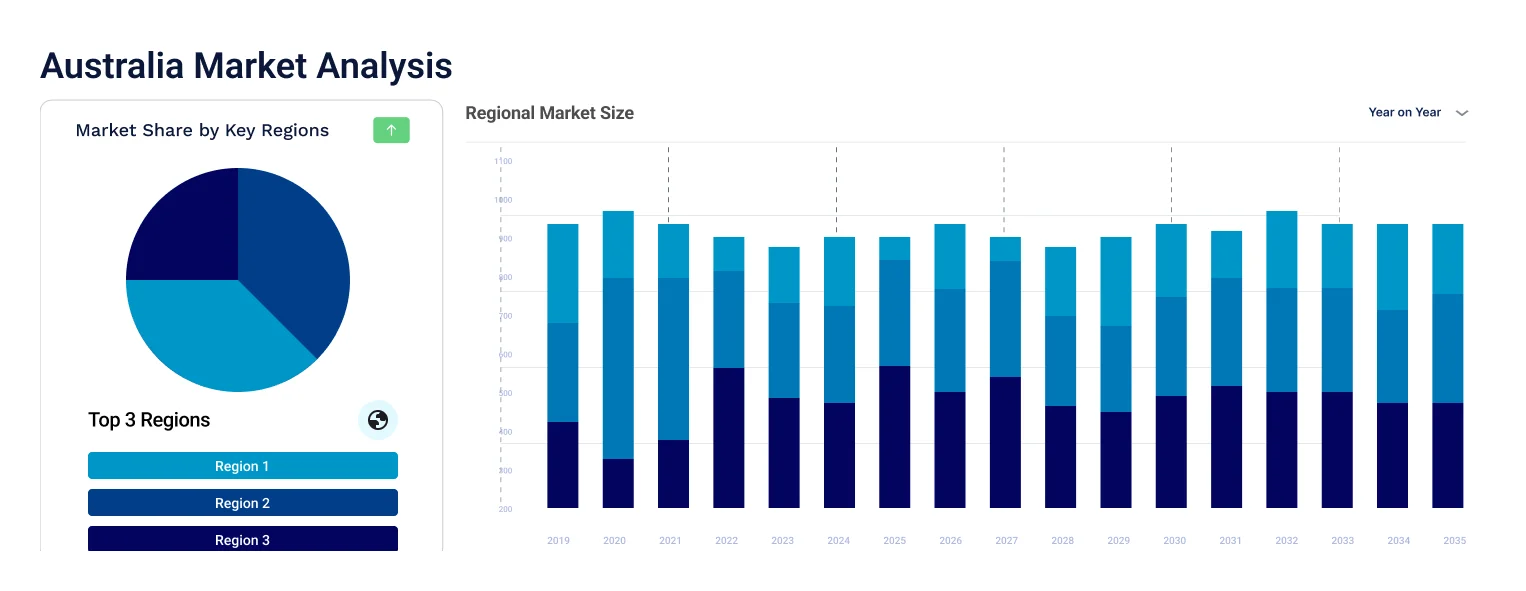
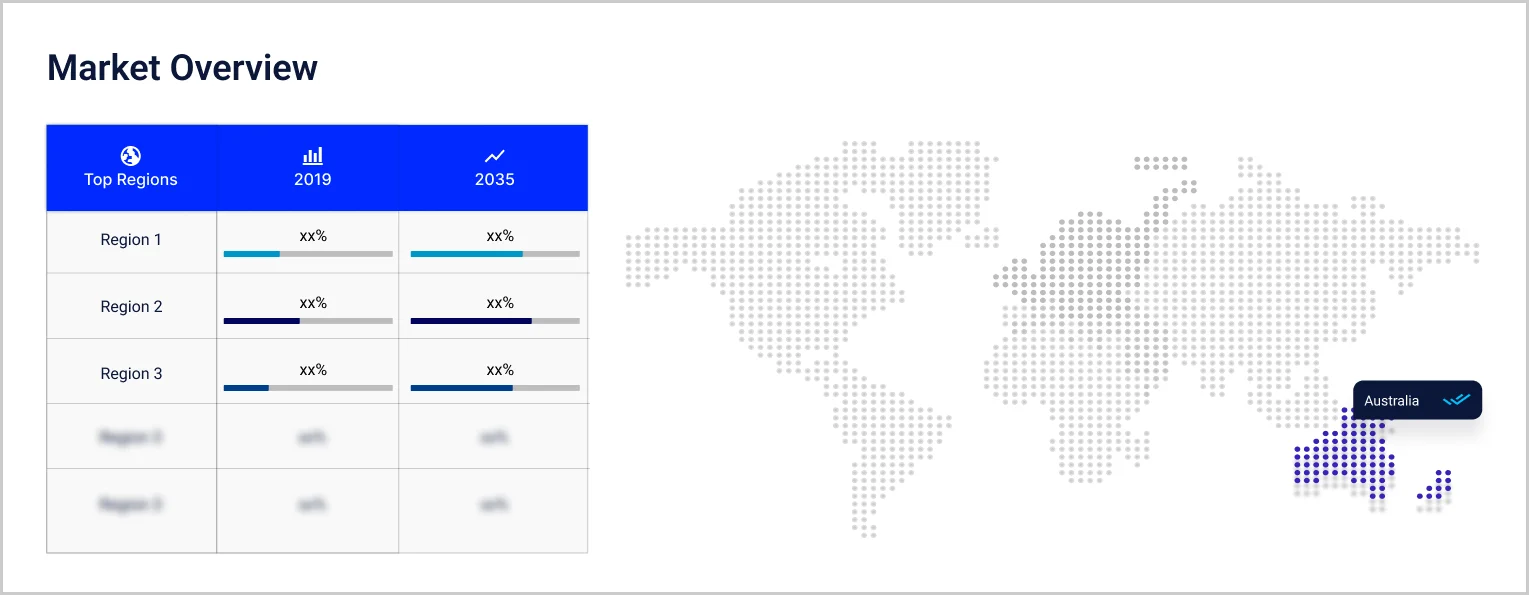
New South Wales dominates through the largest population and hospital network, growing at an estimated 6.8% CAGR through 2035. Victoria follows at 7.5%, with its Virtual Hospital Pilot passing 600 patients by August 2026. Queensland is the fastest-growing region at an estimated 7.9%, helped by the Gold Coast Health contract and the Metro North virtual ward. Western Australia grows at 7.0% on distance-driven remote care needs. South Australia grows at 6.6%. Others covers Tasmania, the ACT and the Northern Territory at 6.9%.
| CAGR 2026 to 2035, Market by Region | Growth Rate |
| New South Wales | 6.8 % |
| Victoria | 7.5 % |
| Queensland | 7.9 % |
| Western Australia | 7.0 % |
| South Australia | 6.6 % |
| Others (incl. Tasmania, the Australian Capital Territory and the Northern Territory) | 6.9 % |
Competition combines global monitor manufacturers with local software developers and distributors. Barriers include registration with the Therapeutic Goods Administration, clinical evidence, integration with hospital records, service coverage and cybersecurity assurance.
Philips
Philips, headquartered in Amsterdam, the Netherlands, supplies IntelliVue patient monitors, the Patient Information Center iX central station and cardiac monitoring through Philips Australia in Sydney. On 6 August 2026 it announced collaborations with six wearable and hospital-at-home partners to extend monitoring beyond the bedside. Its Mobile Cardiac Telemetry offer supports remote cardiac monitoring but is not available in all markets, so Australian availability should be checked.
GE HealthCare
GE HealthCare, headquartered in Chicago, Illinois, offers CARESCAPE and Portrait Mobile monitoring to Australian hospitals through its local subsidiary. On 3 March 2026 Medtronic announced a multi-year expansion of its alliance with GE HealthCare's Patient Care Solutions business. The scope covers bedside, telemetry, ambulatory and perioperative monitoring, integrating Nellcor, Microstream, INVOS and BIS parameters across its platforms.
Medtronic
Medtronic, headquartered in Galway, Ireland, supplies Nellcor pulse oximetry, Microstream capnography, INVOS oximetry and BIS brain monitoring in Australia through its regional subsidiary. On 8 June 2026 it announced United States clearance for Nellcor with the Nell-EQ intelligent processor, designed for reliability across skin tones. Its March 2026 alliance renewal with GE HealthCare broadens how these sensors reach hospital monitors.
Mindray
Mindray, headquartered in Shenzhen, China, supplies BeneVision patient monitors and transport monitors to Australian hospitals through a local subsidiary and distributors. In May 2025 it launched the BeneVision V Series at Euroanaesthesia in Lisbon, featuring a 4K top-end VMAX model and a cable-lite pod that sends vital signs wirelessly. The series also links with handheld ultrasound for a combined haemodynamic view.
Other players operating in the Australia patient monitoring market include Masimo, Baxter, Nihon Kohden, Dräger, and Alcidion, alongside regional distributors, cardiac monitoring service providers, wearable developers and clinical software vendors supplying monitoring equipment and support across Australia.
Competition rests on clinical accuracy, interoperability, service coverage and software ecosystems rather than price alone. Global manufacturers hold scale, while local software firms win connected care contracts.


Upto 15% Off
AUD
$2749 $2499
$3849 $3499
$4949 $4499
$6049 $5499


*While we strive to always give you current and accurate information, the numbers depicted on the website are indicative and may differ from the actual numbers in the main report. At Expert Market Research, we aim to bring you the latest insights and trends in the market. Using our analyses and forecasts, stakeholders can understand the market dynamics, navigate challenges, and capitalize on opportunities to make data-driven strategic decisions.*
The Australia patient monitoring market is valued at AUD 420.00 million in 2025, supported by ageing demographics, hospital-at-home programmes and the replacement of ageing bedside monitors.
The market is forecast to reach AUD 833.96 million by 2035, growing at a CAGR of 7.10 % over the 2026 to 2035 period, driven by virtual wards, wearable sensor adoption, digital health funding and continuous monitoring in acute care.
Remote and Wearable Monitoring Devices record the highest CAGR at an estimated 12.4% through 2035, as health services extend virtual care and continuous vital signs monitoring into patients' homes.
New South Wales dominates through the largest population and hospital network. Queensland is the fastest-growing region at an estimated 7.9% CAGR, helped by a five-year remote monitoring contract signed in March 2026.
Key players include Philips, GE HealthCare, Medtronic, Mindray, Masimo, Baxter, Nihon Kohden, Dräger, and Alcidion.
It is a hospital-level care service delivered at home, using monitoring devices and regular clinician contact. Victoria began its Virtual Hospital Pilot in December 2025 for heart failure and post-cardiac patients.
It is the use of connected devices to collect readings such as oxygen saturation and blood pressure outside hospital and send them to clinicians. Metro North Health supplied four home devices in its virtual ward in June 2026.
Explore our key highlights of the report and gain a concise overview of key findings, trends, and actionable insights that will empower your strategic decisions.
| REPORT FEATURES | DETAILS |
| Base Year | 2025 |
| Historical Period | 2019-2025 |
| Forecast Period | 2026-2035 |
| Scope of the Report |
Historical and Forecast Trends, Industry Drivers and Constraints, Historical and Forecast Market Analysis by Segment:
|
| Breakup by Device Type |
|
| Breakup by Application |
|
| Breakup by End User |
|
| Breakup by Region |
|
| Market Dynamics |
|
| Competitive Landscape |
|
| Companies Covered |
|
Datasheet
AUD 2,749
AUD 2,499
tax inclusive*
Single User License
AUD 3,849
AUD 3,499
tax inclusive*
Five User License
AUD 4,949
AUD 4,499
tax inclusive*
Corporate License
AUD 6,049
AUD 5,499
tax inclusive*
*Please note that the prices mentioned below are starting prices for each bundle type. Kindly contact our team for further details.*
Flash Bundle
Small Business Bundle
Growth Bundle
Enterprise Bundle
*Please note that the prices mentioned below are starting prices for each bundle type. Kindly contact our team for further details.*
Flash Bundle
Number of Reports: 3
20%
tax inclusive*
Small Business Bundle
Number of Reports: 5
25%
tax inclusive*
Growth Bundle
Number of Reports: 8
30%
tax inclusive*
Enterprise Bundle
Number of Reports: 10
35%
tax inclusive*
How To Order

Select License Type
Choose the right license for your needs and access rights.

Click on ‘Buy Now’
Add the report to your cart with one click and proceed to register.

Select Mode of Payment
Choose a payment option for a secure checkout. You will be redirected accordingly.
Strategic Solutions for Informed Decision-Making
Stay upgraded and grab opportunities by strategic insights

Stay informed and aware for a Market Leverage
Analyze pricing patterns with comprehensive trend analyses.

Analyse trade data for supply chain insights.

Leverage cost reports for smart savings
Elevate supply chain with collaboration
Contact Us for Further Information
Our specialized analysts will be available to answer all the pre-purchase and post-purchase queries regarding the report.
Our specialized analysts will be available to answer all the pre-purchase and post-purchase queries regarding the report.
Staying one step ahead of the market landscape with our in-depth research methods, integrating advanced analytics to drive precise and tangible outcomes.
Our expert analyst team offers a significant advantage over competitors, with extensive market insights into the latest trends, putting you strategically ahead.
We deliver a simplified yet extensive report, comprising in-depth industry insights and analytics tailored to your industry requirements.
We are happy to help you navigate through the services we offer and solve your queries.
Contact us