Consumer Insights
Uncover trends and behaviors shaping consumer choices today
Procurement Insights
Optimize your sourcing strategy with key market data
Industry Stats
Stay ahead with the latest trends and market analysis.
The Australia hospital supplies market covers the single-use and consumable products that public and private hospitals use every day, including surgical and procedural disposables, protective gloves, masks and gowns, syringes, needles and intravenous therapy products, wound dressings, and infection prevention and sterilisation supplies. It excludes capital equipment, pharmaceuticals and implants. Buying is shaped by state procurement bodies and statewide supply agreements.
In 2025, the market is valued at AUD 3150.00 million in 2025 and is forecast to grow at a (CAGR) of 5.20%, reaching AUD 5229.59 million by 2035. Growth is driven by record state health budgets announced in 2026, new hospital beds and elective surgery programs, and a policy push for sovereign supply of critical items such as intravenous fluids.
Compound Annual Growth Rate
5.2%
Value in AUD million
2026-2035
The Australia hospital supplies market is growing steadily as hospitals treat more patients and governments pay closer attention to supply security. Demand is led by public hospitals, yet private operators, day surgery centres and procurement bodies are reshaping who buys, from whom and at what price.
Three forces are at work: record state health budgets, with Queensland setting aside AUD 35.5 billion in June 2026 and Victoria AUD 32.3 billion in May 2026; sovereign supply policy for critical items such as intravenous fluids; and tighter procurement discipline, since Victoria's auditor found in June 2025 that off-contract spending was not effectively tracked.
In March 2025 the federal health minister announced a AUD 40 million Baxter expansion at Toongabbie. In late September 2026 the sale of Healthscope's remaining hospitals to new owners was announced, and in October 2026 the Australian Institute of Health and Welfare reported hospital spending above AUD 123 billion.
The market is moving from price-led purchasing towards supply-secure, contract-compliant buying across public and private hospitals. Surgical and procedural disposables lead in value because every theatre list consumes them, while syringes, needles and intravenous therapy products advance fastest as local fluid capacity expands. Public hospitals remain the largest buyers, and day surgery and specialty clinics gain share as elective surgery programs scale up. Government group purchasing contracts anchor volume, with direct manufacturer relationships growing as hospitals seek resilience. New South Wales remains the largest region, and Queensland grows quickest on its hospital building program. Sovereign manufacturing policy and remanufacturing point to a lasting change in sourcing.
| Metric | Value |
| Market Size 2025 | AUD 3150.00 million |
| Projected Market Size 2035 | AUD 5229.59 million |
| CAGR 2026 to 2035 | 5.20% |
| Fastest-Growing Product Type | Syringes, Needles and IV Therapy: 6.0% CAGR |
| Fastest-Growing End User | Day Surgery and Specialty Clinics: 6.4% CAGR |
| Largest Revenue Segment 2025 | Surgical and Procedural Disposables |
| Dominant Region | New South Wales |
| Highest CAGR by Region | Queensland: 6.2% |
| Hospital spending reported October 2026 | Above AUD 123 billion |
Hospital Activity Anchors Long-Term Demand
Revenue is on course to expand by about 66% across the decade, from USD 3,150.00 million in 2025 to USD 5,229.59 million in 2035 at a 5.2% CAGR. Hospital spending above AUD 123 billion and new beds in Queensland, Victoria and Western Australia keep consumable use rising.
Intravenous Therapy and Day Surgery Lead Growth
Surgical and Procedural Disposables hold the largest share, but Syringes, Needles and IV Therapy grows at an estimated 6.0% CAGR and Day Surgery and Specialty Clinics at an estimated 6.4% CAGR through 2035. Baxter's March 2025 expansion and state elective surgery funding support both.
Healthscope Sale Reopens Private Hospital Supply Contracts
The planned transfer of Healthscope's remaining hospitals to four buyers is the largest ownership change in private hospital care in years, and supply agreements are likely to be reviewed as operations are integrated.
| Report Summary | Unit | Value |
| Base Year | AUD million | 2025 |
| Historical Period | AUD million | 2019 to 2025 |
| Forecast Period | AUD million | 2026 to 2035 |
| Market Size 2025 | AUD million | 3150.00 |
| Market Size 2035 | AUD million | 5229.59 |
| CAGR 2026 to 2035 | Percentage | 5.20 % |
| CAGR by Product Type: Syringes, Needles and IV Therapy | Percentage | 6.0 % |
| CAGR by End User: Day Surgery and Specialty Clinics | Percentage | 6.4 % |
| CAGR by Procurement Channel: Direct Manufacturer Sales | Percentage | 5.8 % |
| CAGR by Region: Queensland | Percentage | 6.2 % |
| Hospital Spending Reported October 2026 | Billion AUD | 123.00 |
| Queensland Health Budget June 2026 | Billion AUD | 35.50 |
| Market Share by Region 2025 | New South Wales | Dominant Share |
Rising hospital activity, record state health budgets and a push for sovereign supply keep demand for disposables, protective equipment and infusion products firm. New South Wales leads; Queensland grows fastest.
The Australia hospital supplies market is being reshaped by rising hospital spending, record state budgets, private hospital ownership change and closer scrutiny of procurement.
October 2026 - Australian Institute of Health and Welfare Reports Hospital Spending Above AUD 123 Billion
September 2026 - Healthscope's 25 Remaining Hospitals Set to Pass to Four Buyers
June 2026 - Queensland Funds AUD 35.5 Billion Health Budget and Hospital Rescue Plan
June 2025 - Victorian Auditor-General Finds Weak Tracking of Off-Contract Hospital Spending
Larger hospital budgets, private hospital ownership change and closer scrutiny of off-contract buying are the main structural forces, while cost pressure on public purchasers is the main risk.
Recent developments, presented from the most recent, show glove and surgical product demand at Ansell, a sharper medical technology focus at BD, device remanufacturing at Cardinal Health and sovereign fluid supply at Baxter.
August 2026 - Ansell Reports Higher Sales and Earnings on Surgical and Cleanroom Demand
February 2026 - BD Completes Waters Combination and Becomes a Pure-Play Medical Technology Company
January 2026 - Cardinal Health Recruits for Beresfield Remanufacturing Site
March 2025 - Baxter Expansion at Toongabbie Backed by AUD 20 Million of Federal Funding
Strong glove demand, remanufacturing of single-use devices, a sharper medical technology focus and sovereign fluid capacity show suppliers positioning for resilience and sustainability across the forecast period.
The Expert Market Research’s report on the Australia Hospital Supplies Market offers a detailed analysis of the market based on the following segments.
Market Breakup by Product Type
Surgical and Procedural Disposables lead on value, in our estimate, because drapes, gowns, packs and catheters are used in every procedure, and Queensland funded 25,000 more elective surgeries in June 2026. Syringes, Needles and IV Therapy grows fastest at an estimated 6.0% CAGR through 2035, backed by Baxter's March 2025 expansion to 80 million units of fluid capacity. Personal Protective Equipment is supported by Ansell's higher healthcare sales reported in August 2026. Wound Care and Dressings follows an ageing patient base, while Infection Prevention and Sterilisation Supplies tracks procedure volumes. Others cover specimen collection and diagnostic consumables.
Market Breakup by End User
Public Hospitals lead, in our estimate, as Victoria allocated AUD 1.6 billion in May 2026 so every public hospital has the funding it needs, and New South Wales funded 2,900 additional planned surgeries a year in June 2026. Private Hospitals face ownership change as Calvary, Healthe Care, Acurio Health and KnG Group take over Healthscope sites by November 2026. Day Surgery and Specialty Clinics grows fastest at an estimated 6.4% CAGR through 2035 as elective surgery programs scale up. Others include rehabilitation, aged care and community providers.
Market Breakup by Procurement Channel
Government Group Purchasing Contracts lead, in our estimate, because the Victorian auditor-general reported in June 2025 that HealthShare Victoria ran 72 collective agreements covering 1,086 supplier agreements. Distributors and Wholesalers serve hospitals outside statewide panels and smaller private operators. Direct Manufacturer Sales grows fastest at an estimated 5.8% CAGR through 2035 as hospitals seek supply resilience, shown by Baxter's March 2025 sovereign supply expansion and Cardinal Health's January 2026 Beresfield remanufacturing site. Online and E-Procurement Platforms grows from a small base as purchasers tighten off-contract spending.
Market Breakup by Region
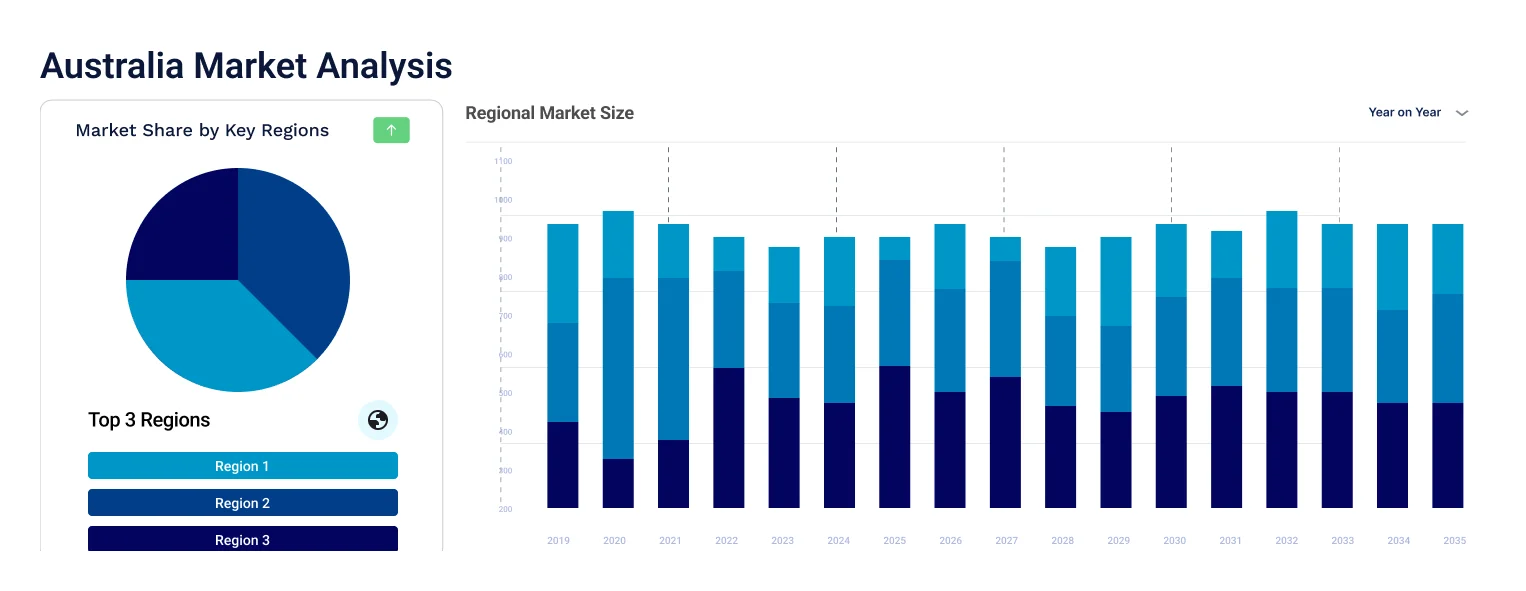
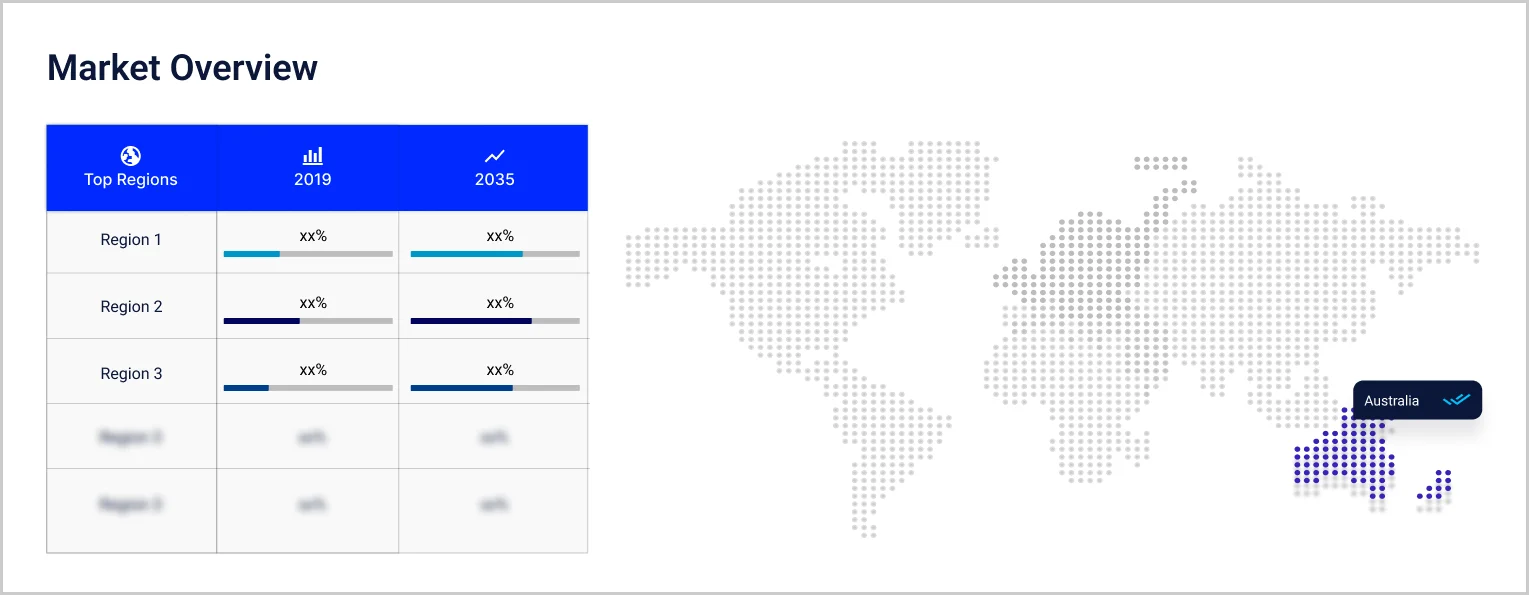
New South Wales dominates, in our estimate, as the state with the largest population and hospital network, and its June 2026 budget adds AUD 10.3 billion for health over four years, so it grows at an estimated 4.8% CAGR through 2035 from a large base. Queensland is the fastest-growing region at an estimated 6.2%, on its June 2026 Hospital Rescue Plan and 2,600 new beds. Victoria grows at 5.0% on a AUD 32.3 billion health budget. Western Australia grows at 5.7%, with 118 beds at Mount Lawley Hospital from September 2026. Others, covering the remaining states and territories, grow at 4.9% from smaller hospital networks.
| CAGR 2026 to 2035, Market by Region | Growth Rate |
| New South Wales | 4.8 % |
| Victoria | 5.0 % |
| Queensland | 6.2 % |
| Western Australia | 5.7 % |
| Others (incl. South Australia, Tasmania, the Australian Capital Territory and the Northern Territory) | 4.9 % |
Competition combines global medical technology groups, glove and protective equipment makers, domestic manufacturers and specialist distributors. Entry barriers include Therapeutic Goods Administration approval, panel positions on statewide supply agreements, local warehousing and the ability to guarantee supply during global disruptions.
Ansell
Ansell, headquartered in Richmond, Melbourne, makes examination and surgical gloves and protective products, which it sells to hospitals through its healthcare segment. On 24 August 2026 it reported sales of USD 2,140.2 million, up 6.8%, with healthcare sales and earnings rising on cleanroom and surgical product demand. It targets adjusted earnings per share of US158 to US170 cents for the following year, supported by volumes and pricing.
Cardinal Health
Cardinal Health, headquartered in Dublin, Ohio, supplies medical products to hospitals in Australia through its local business. The Newcastle Herald reported in January 2026 that it was recruiting for Beresfield, its first Australian site dedicated to remanufacturing single-use medical devices. The site starts with compression sleeves for post-surgical care and deep vein thrombosis prevention, returning devices to use after testing and high-level disinfection.
BD
BD, headquartered in Franklin Lakes, New Jersey, sells medication delivery, infusion and other hospital products worldwide, including to Australian hospitals. On 9 February 2026 it completed the combination of its biosciences and diagnostic solutions business with Waters and received USD 4 billion in cash. It now describes itself as a pure-play medical technology company with four segments, including medical essentials and connected care.
Baxter
Baxter, headquartered in Deerfield, Illinois, produces intravenous fluids at its Toongabbie plant in western Sydney. On 5 March 2025 the federal health minister announced a AUD 40 million expansion, funded equally by Baxter and the Commonwealth, lifting capacity to 80 million units a year from 2027 against national demand of about 60 million units. The investment is expected to secure about 1,500 jobs at the site.
Other players operating in the Australia hospital supplies market include Medline, B. Braun, Molnlycke Health Care, Device Technologies, and Smith+Nephew, alongside regional distributors, domestic manufacturers, sterile processing suppliers and private-label packagers supplying public and private hospitals, day surgery centres and clinics across Australia.
Competition rests on panel positions in statewide supply agreements, supply security, local manufacturing and regulatory approval rather than price alone, while hospital ownership changes could reshape buyer relationships.


Upto 15% Off
AUD
$2749 $2499
$3849 $3499
$4949 $4499
$6049 $5499


*While we strive to always give you current and accurate information, the numbers depicted on the website are indicative and may differ from the actual numbers in the main report. At Expert Market Research, we aim to bring you the latest insights and trends in the market. Using our analyses and forecasts, stakeholders can understand the market dynamics, navigate challenges, and capitalize on opportunities to make data-driven strategic decisions.*
The Australia hospital supplies market is valued at AUD 3150.00 million in 2025, supported by rising hospital spending, record state health budgets, new hospital beds and a policy push for sovereign supply, with New South Wales as the largest region.
The market is forecast to reach AUD 5229.59 million by 2035, growing at a CAGR of 5.20 % over the 2026 to 2035 period, driven by elective surgery programs, hospital building in Queensland, Victoria and Western Australia, private hospital ownership change and closer scrutiny of procurement.
Syringes, Needles and IV Therapy records the highest CAGR at an estimated 6.0% through 2035, as expanded local intravenous fluid capacity and rising procedure volumes lift demand for infusion and injection products.
New South Wales dominates, as it has the largest population and hospital network. Queensland is the fastest-growing region at an estimated 6.2% CAGR, helped by its Hospital Rescue Plan and more than 2,600 additional beds.
Key players include Ansell, Cardinal Health, BD, Baxter, Medline, B. Braun, Molnlycke Health Care, Device Technologies, and Smith+Nephew.
HealthShare Victoria is an independent statutory authority that manages procurement and logistics for Victoria's public health system. A June 2025 audit found it cannot show the actual savings its collective agreements deliver.
The federal government announced in March 2025 a AUD 40 million expansion at Toongabbie to secure sovereign supply. Capacity rises to 80 million units a year, above national demand of about 60 million units.
Explore our key highlights of the report and gain a concise overview of key findings, trends, and actionable insights that will empower your strategic decisions.
| REPORT FEATURES | DETAILS |
| Base Year | 2025 |
| Historical Period | 2019-2025 |
| Forecast Period | 2026-2035 |
| Scope of the Report |
Historical and Forecast Trends, Industry Drivers and Constraints, Historical and Forecast Market Analysis by Segment:
|
| Breakup by Product Type |
|
| Breakup by End User |
|
| Breakup by Procurement Channel |
|
| Breakup by Region |
|
| Market Dynamics |
|
| Competitive Landscape |
|
| Companies Covered |
|
Datasheet
AUD 2,749
AUD 2,499
tax inclusive*
Single User License
AUD 3,849
AUD 3,499
tax inclusive*
Five User License
AUD 4,949
AUD 4,499
tax inclusive*
Corporate License
AUD 6,049
AUD 5,499
tax inclusive*
*Please note that the prices mentioned below are starting prices for each bundle type. Kindly contact our team for further details.*
Flash Bundle
Small Business Bundle
Growth Bundle
Enterprise Bundle
*Please note that the prices mentioned below are starting prices for each bundle type. Kindly contact our team for further details.*
Flash Bundle
Number of Reports: 3
20%
tax inclusive*
Small Business Bundle
Number of Reports: 5
25%
tax inclusive*
Growth Bundle
Number of Reports: 8
30%
tax inclusive*
Enterprise Bundle
Number of Reports: 10
35%
tax inclusive*
How To Order

Select License Type
Choose the right license for your needs and access rights.

Click on ‘Buy Now’
Add the report to your cart with one click and proceed to register.

Select Mode of Payment
Choose a payment option for a secure checkout. You will be redirected accordingly.
Strategic Solutions for Informed Decision-Making
Stay upgraded and grab opportunities by strategic insights
Stay informed and aware for a Market Leverage
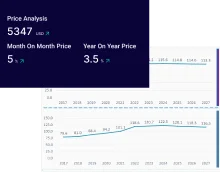
Analyze pricing patterns with comprehensive trend analyses.
Analyse trade data for supply chain insights.
Leverage cost reports for smart savings
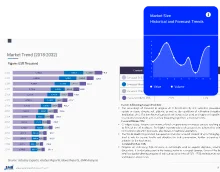
Elevate supply chain with collaboration
Contact Us for Further Information
Our specialized analysts will be available to answer all the pre-purchase and post-purchase queries regarding the report.
Our specialized analysts will be available to answer all the pre-purchase and post-purchase queries regarding the report.
Staying one step ahead of the market landscape with our in-depth research methods, integrating advanced analytics to drive precise and tangible outcomes.
Our expert analyst team offers a significant advantage over competitors, with extensive market insights into the latest trends, putting you strategically ahead.
We deliver a simplified yet extensive report, comprising in-depth industry insights and analytics tailored to your industry requirements.
We are happy to help you navigate through the services we offer and solve your queries.
Contact us