
The food and beverage industry is fuelling economies, driving demographics and consumer tastes. Our services include Demand Forecasting, Product Development Support, Consumer Behavior Analysis, Distribution Channel Analysis, Regulatory Compliance Guidance, and Innovation Strategy. With our Financial Benchmarking and Competitive Landscape Mapping, we help companies meet customer demands and promote sustainability within the dynamic market landscape.
HOW WE HELP OUR CLIENTS IN THIS SECTOR
Consumer Insights
Understanding what the consumers want and why their dynamic preferences sit at the heart of what is offered here. Insights into changing taste preferences, purchasing behavior, dietary habits, and emerging demands are brought together to give businesses a fuller picture of the people they serve. With this knowledge, companies are better positioned to tailor their products, deepen customer engagement, and drive the kind of innovation that keeps pace with an evolving market.
- Growing demand for healthier options, including functional foods and low-calorie alternatives, is identified and tracked to help businesses respond before the opportunity passes.
- Customer interest in sustainable, ethically sourced ingredients is analyzed, giving companies a clearer sense of where expectations for responsible sourcing are heading.
- The dynamic customer taste for various plant-based and low-sugar products, and the growing demand for clean-label offerings, is closely observed to keep businesses aligned with market demand
- Consumer behavior in the digital space is examined to surface patterns in how purchasing decisions are being made, researched, and influenced online.
Optimizing Gluten-Free Strategy Through the Customer and Channel Insights
Regional Drivers for Consumption and Re-Positioning OpportunitiesGluten-free product consumption tells a different story depending on where you look. In North America and Europe, health-conscious consumers have made gluten-free a lifestyle choice. The potential for premium positioning across specialty stores and online wellness platforms is strong in these markets.
In Asia Pacific and Latin America, the picture shifts quite considerably. The demand there is largely medical, driven by the celiac disease awareness and limited local product access. These distinctions are what shape a positioning strategy that holds up across both mature and emerging markets.
Channel-Specific SKU Optimization and Community OutreachRegional preferences pointed toward a more clear expansion opportunities for the wet-form gluten-free products through e-commerce. The regions like the UK and Germany stood out and the freshness and convenience consistently drive the purchasing decisions. Dry-form SKUs told a different story, proving better suited for supermarket and hypermarket allocation in the cost-sensitive regions where shelf stability takes priority.
Urban health hubs emerged as concentrated demand zones. The case for hyper-local digital campaigns targeting the gluten-sensitive consumers became a natural recommendation from there. Aligning SKU formats with the dominant retail channels in each region is what enables product placement and outreach to land where it matters most.
Refining Meat Product Positioning Through Consumer Conduct Mapping
Regional Consumption Patterns and Product RepositioningConsumer preferences across the regions of North America, Europe, Asia Pacific, and Latin America paint a rather broken picture of how the meat is bought and consumed. In the developed markets, processed formats like marinated cuts and deli meats resonate with convenience-driven, dual-income households. The story in the emerging markets is different, where the raw meat holds firm, backed by deep-rooted home-cooking habits and a preference for visible freshness.
A steady decline in the red meat intake among the health-conscious consumers is gaining momentum across the regions. The shift toward the lean proteins directly supported the repositioning of chicken-based processed offerings around the clean-label claims and extended shelf-life features.
Channel Insights and Portfolio RealignmentBringing together socio-economic indicators, lifestyle trends, and observed purchase behaviours across retail and e-commerce revealed distinct engagement patterns by region. In urban markets like India and Brazil, the consumers responded strongly to value-driven bundling and combo formats. The appetite for poultry and ready-to-cook products was especially prominent in these areas.
Adapting the product assortments and promotional tactics to mirror the local shopping behaviors is what keeps businesses relevant. The ability to move fluidly across digital and physical retail environments is no longer optional — it is what separates brands that grow from those that stagnate.
Product Development and Launches
Bringing a product to market successfully takes more than a good idea. Consumer trends, competitive landscapes, and regulatory factors are all analysed to help firms make informed decisions around product positioning, launch timing, and differentiation strategies that hold up in the real market.
- Untapped market opportunities and gaps in consumer demand are identified, giving businesses a clearer sense of where new products are most likely to find a receptive audience.
- Consumer feedback is gathered and interpreted to ensure that what is being developed genuinely reflects what the market is looking for, not just what companies assume it wants.
- Competitors' products and strategies are assessed in detail, helping businesses understand how to position and differentiate their new offerings in a crowded market.
- Insights into the most effective launch timing, distribution channels, and promotional tactics are provided to give new products the strongest possible start.
Unlocking Sugar-Free Growth Through A Sensory Innovation and Channel Focus in Australia
Taste Profile Optimization and Formulation StrategyAn Australian plant-based food and beverage brand came to us with a clear challenge. The stevia-sweetened product line was not landing well with consumers, and the sensory benchmark across beverages, bakery, and dairy alternatives confirmed why. The lingering aftertaste of stevia was a consistent point of dissatisfaction across the board.
The consumer taste panels, retailer feedback, and supplier input all pointed to a single solution. A hybrid formulation that amalgamated stevia and monk fruit was recommended to deliver a cleaner sweetness and better flavour retention than before. The approach catered specifically to Australian consumer preferences, giving the brand a distinct flavour position and a stronger foothold in the natural sweetener space.
Channel Prioritisation and Launch Timing AlignmentSupporting the reformulated product rollout meant getting the channel strategy right from the start. The SKU-level sales analysis was conducted across each of the single-serve dairy-free yogurts and the sparkling beverages to sharpen the approach. The launch was prioritized through the e-commerce and high-traffic convenience stores in the regions of Sydney and Melbourne, markets where wellness-driven and impulse-led consumption is well established.
National health awareness campaigns were used to align the launch timing, maximising the visibility and driving trial at the most suitable moment. Taken together, the strategy strengthened the client's presence across sugar-free market segment while reinforcing the regional brand relevance through flavour innovation, a well-matched channel mix, and a launch approach built around health-conscious consumers.
Optimizing Cold Brew Growth Through Flavour and Packaging Insights
Flavour Profiling and Format InnovationA European specialty coffee brand looking to scale its cold brew portfolio across the continent’s fast-evolving RTD coffee segment was brought on as a partner. The starting point was a cross-market analysis of regional flavour profiles and packaging expectations, and the findings were telling.
The consumer segment in regions like Germany and the UK showed a strong preference for the Arabica-based brews with light, natural infusions. The French and Italian markets leaned towards an altogether different direction, favoring bold, Robusta-forward blends. Limited-edition variants with hints of botanical notes like hibiscus and citrus were recommended in response. They were then distributed through premium retail and the subscription e-commerce channels to reinforce the upscale positioning and address the further discerning consumption occasions.
Eco-Conscious Packaging and Seasonal Brand PlanningTo support the brand’s premium growth path, material cost benchmarking and lifecycle analysis guided the upwards movement toward recyclable aluminium and glass packaging. This, in turn, considerably improved the shelf appeal and helped meet the sustainability expectations in the sustainable market segment. Bundling ideas, including customizable flavour packs and seasonal subscription drops, further strengthened the premium position. The strategy also created more engaging brand experiences, improved consumer perception, and built stronger loyalty across the key European markets.
Capturing Revenue Potential
Growth is not always derived from entering the new markets. Sometimes the biggest opportunities are sitting within reach, waiting to be properly mapped. Market trend predictions, Demographic data and purchasing behaviors are analyzed to help companies identify untapped segments and emerging consumer demands, giving them the tools to expand their market presence, tailor their product offering, and drive revenue growth in a focused and sustainable way.
- Market demand analysis helps clients pinpoint the high-revenue opportunities to prioritize their growth strategy.
- The effectiveness of existing sales channels is assessed to identify which channels deliver the strongest returns and where improvements can be made.
- Shifting purchasing habits and the evolving consumer preferences are tracked on an ongoing basis, helping clients adapt their offerings before the market moves on without them.
- Effective promotional strategies and cross-selling opportunities are identified to help businesses drive incremental revenue from both existing and new customer bases.
Growth Pathways in the Global Whey Protein Market
Premium Positioning and Regional Market AlignmentA review of changing consumer needs and regional market conditions highlighted clear growth opportunities within the whey protein category. A comparative elasticity study across the whey protein concentrate, covering around 30%–50% and 50%–80% purity levels, showed strong margin potential for the high-purity variants in the regions of North America and Western Europe, supported by the rising demand for premium, clean-label nutrition.
In the region of Southeast Asia, growing interest in organic whey pointed to untapped potential within the various value-sensitive markets. This led to refinements within the sourcing and certification strategies. The findings helped shape a region-specific pricing and the formulation plan designed to improve revenue across varied consumer groups.
Channel Planning and B2B Growth ExpansionThe sales performance across the pharmacies, supermarkets, and digital platforms indicated the need for a stronger channel mix with a deliberate, greater focus on the direct-to-consumer engagement. A digital-first approach was adopted to improve reach, response speed, and customer access, supported by bundling strategies with related nutrition categories.
Alongside the consumer channels, functional applications for whey protein in bakery and ready-to-drink beverages were identified to support B2B growth with food manufacturers. This two-way approach opened high-margin opportunities and supported scalable revenue across consumer-facing and industrial channels.
Gummy Supplement Growth Through Age and Function-Led Strategy
Age-Based Preferences and Formulation PrioritiesA global nutraceutical brand aiming to expand the gummy supplement portfolio within the market segment across international markets engaged us to assess the age-specific preferences and support targeted product innovation. Analysis of gummy supplement consumption across age groups and functional health categories identified strong opportunities for product development and market expansion.
The demographic and benefit-based segmentation showed that the adults and the older consumers preferred melatonin, omega-3, and fiber-enriched formulations. On the other hand, the younger audiences showed a considerably stronger demand for the vitamin-rich and plant-based protein gummies. These findings supported a shift toward function-first claims and clean-label product development, including gelatin-free formulations for vegan positioning. The analysis also helped guide regionally adaptive product planning and faster revenue capture across age-specific consumer segments.
Channel Strategy and Regional Opportunity MappingThe price benchmarking across the various digital and physical retail channels showed higher unit value for premium functional products in North America and Western Europe. This supported a stronger focus on e-commerce integration and online-exclusive partnerships.
The demand mapping also identified white space opportunities in the Middle East and Southeast Asia for mineral and probiotic blends, particularly among the women and prenatal consumption. By aligning the formulation and distribution with the local demand, the client reached the new consumer segments and improved revenue generation across various market channels.
Competitive Analysis
Competitive Analysis is not just about identifying the rivals. It is about what drives them, their strengths, and the gaps. Rival products, pricing strategies, and market positioning are evaluated to give businesses a well-rounded view of the competitive landscape. Competitive shifts are tracked, brand performance is analyzed, and differentiation points are identified, helping the companies in efficient strategization, anticipating market shifts, and building a position that holds over time.
- Competitor product portfolios are evaluated in detail, with strengths and weaknesses assessed to inform how businesses can position themselves more effectively.
- Competitor brand performance, including market share, consumer perception, and customer loyalty, is tracked to give businesses a realistic reading of where they stand in the competitive field.
- Insights into competitors' pricing and market positioning are provided, giving clients a clearer basis for their own strategic decisions.
- Competitor market share, growth rates, and expansion strategies are monitored on an ongoing basis, revealing performance patterns that can inform smarter, more timely competitive responses.
Strengthening Market Position in the Global Egg Segment
Premium Retail Strategy Through the Certification-Led PositioningFor a global egg producer seeking stronger placement in premium retail segments, we built a focused strategy around certification-based differentiation. SKU-level analysis of cage-free, organic, and free-range egg formats showed that competitors in North America, Europe, and Asia-Pacific were using carbon-neutral certifications and animal welfare labels to support premium pricing.
The field audits and retail scanner data confirmed that these claims had resonated strongly with the urban grocery buyers and digital-first consumers. Leading players were also investing in the traceable technologies and had vertically integrated logistics systems to build trust, improve the brand credibility, and support a better price realization.
Retail Differentiation and Channel GrowthUsing these findings, we developed a differentiation roadmap centered on the quality-led storytelling and a stronger retail execution. The key recommendations included a direct-to-consumer subscription models, targeted the digital advertising for urban micro-markets, and a dual-channel expansion strategy.
This approach protected the brand’s presence in the conventional retail and introduced a high-margin premium line for health-focused and the sustainability-aware consumers. The client improved the shelf visibility, increased the customer retention across the digital channels, and achieved measurable share growth across mainstream as well as specialty retail networks.
Building Stronger Market Positioning Across the Global Protein Market
Cross-Segment Competitive Intelligence and Innovation MappingFor a global ingredients company seeking to improve its protein portfolio, we conducted a detailed competitive intelligence exercise across the animal, plant, and microbial protein segments. The work covered the various protein sourcing strategies, formulation pipelines, and the manufacturing footprints, with specific attention to pea, soy, and whey protein applications across food, beverage, and personal care categories.
Core innovation themes were benchmarked, including the high-performance claims in the sports nutrition, clean-label market positioning in ready-to-eat formats, and the micronutrient fortification in convenience-based products. Regional mapping also showed the sustainability-led storytelling and upcycled the raw material use in regions like North America and Europe. This regional mapping is done alongside cost-driven B2B partnerships and large-scale procurement models across Asia Pacific.
Portfolio Repositioning and Market PrioritizationBased on our in-depth determinations, the client’s pea protein portfolio was repositioned around its complete amino acid profile and the clean processing attributes. To support the commercial scale, we developed cost-sharing and co-branding models with the downstream partners. Latin America also emerged as the high-potential region for the hybrid protein blends within the functional food category.
A tailored go-to-market playbook for the region aligned product innovation with the emerging demand signals. Such an improved visibility in a fragmented market opened new growth avenues through the downstream collaboration.
Market Insights
Our goal is to become your trusted partner across industries, aspiring for an in-depth market perspective, helping you succeed through the dynamic market terrain.
Consumer Insights
Analyzing the trends, behaviours, and client preferences for detailed marketing programs.
Competitive Benchmarking
Providing a thorough examination of the competitive landscape for a deeper evaluation of strengths and recognition of opportunities.
Major Performance Indicators
These indicators ensure industry standards are met and demonstrate the value we provide to our clients.



Insightful Analysis for Strategic Guided Choices
Stay upgraded and grab opportunities by strategic insights
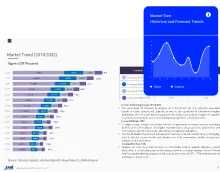
Stay informed and aware for a Market Leverage
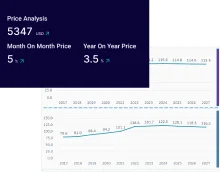
Analyze pricing patterns with comprehensive trend analyses.
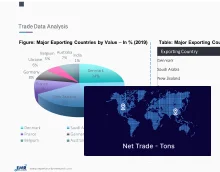
Analyse trade data for supply chain insights.

Leverage cost reports for smart savings
Elevate supply chain with collaboration
We are happy to help you navigate through the services we offer and solve your queries.
Contact us
