
Electrical equipment and appliances are becoming an important sector, with growing demand for energy-efficient products. We help our clients navigate this market with Market Sizing, Competitive, Regulatory & Policy Analysis, alongside Supply Chain and Customer Analysis. Supported by Technology Tracking and ESG Analysis, our insights allow companies to make smart decisions and improve operations that meet changing customer and sustainability expectations.
HOW WE HELP OUR CLIENTS IN THIS SECTOR
Technology Scenario
Keeping pace with the new technologies has now become important for businesses looking to stay competitive in a fast-changing market. We monitor innovations, competitive activity, and evolving regulations to give clients a clearer view of where the industry is heading. These insights help businesses respond to changing customer expectations, strengthen product differentiation, and make the most of new technological opportunities.
- Keeping track of innovations such as smart appliances, IoT-enabled systems, and energy-efficient technologies that are reshaping the industry.
- Understanding the growing role of robotics in improving the speed, accuracy, and efficiency of electrical equipment manufacturing.
- Monitoring the shift towards energy-saving technologies as businesses and consumers place greater emphasis on sustainability and lower operating costs.
- Identifying new developments in wireless power technology that are driving innovation across modern appliances.
Improving LED Lighting Growth Through Smarter Product Positioning
Understanding Applications and Market DemandAs demand for specialized LED lighting continues to grow across Australia, success increasingly depends on aligning product portfolios with the right applications and regional opportunities. We explored the market by looking into the luminaires, including troffers, track lights, and high bays, as well as lamp categories such as A-lamps and T-lamps. Comparing retrofit projects with new installations provided a clearer understanding of indoor and outdoor lighting requirements, while application-based segmentation across industrial, commercial, residential, and architectural sectors highlighted strong growth opportunities in commercial spaces and roadway infrastructure.
Regional Planning with Smarter DistributionDifferent regions showed different buying behaviors, making a localized approach important for improving market reach. Our review also showed stronger online conversions in New South Wales, while physical stores performed quite well in Victoria and Queensland. These insights helped the investments in e-commerce and retail network improvements, while regional demand patterns helped upgrade the logistics planning, improve product availability, and support scalable expansion across key markets.
Shaping Switchgear Innovation Through Evolving Insulation Technologies
Understanding Technology Adoption and Regional DemandAs utilities and infrastructure projects have started prioritizing reliable and efficient switchgear solutions, insulation technologies have become an important aspect for influencing purchasing decisions. We explored this changing trend across the United States by looking into the low-, medium-, and high-voltage equipment alongside insulation systems such as AIS, GIS, vacuum, and oil-based technologies. The analysis revealed accelerating demand for vacuum-insulated switchgear, particularly across the Mideast and Far West, prompting the client to realign its R&D priorities. A comparison of AIS and GIS adoption across the Southeast and Plains also provided a stronger basis for refining pricing strategies aimed at infrastructure-focused customers.
Connecting Technology Trends with Regional StrategyUnderstanding where the industry is headed proved just as important as understanding today's competitive landscape. By studying the technology roadmaps of leading OEMs, including Siemens, ABB, and Schneider Electric, we identified integration trends that were reshaping sourcing priorities across the market. These findings guided component sourcing decisions while helping the client strengthen supplier selection and deploy sales resources more effectively across the Great Lakes and Southwest.
Supply Chain Analysis
Strong supply chains are built on decisions we make smartly across sourcing, production, and distribution. We analyse supplier capabilities, cost structures, and logistics performance to help businesses identify opportunities for greater efficiency and resilience. The resulting insights support better risk management, streamlined operations, and more reliable delivery across the value chain.
- Exploring global supplier ecosystems to understand sourcing capabilities and identify stronger procurement opportunities.
- Reviewing logistics and distribution processes to improve delivery efficiency and lower supply chain costs.
- Using operational data to help businesses optimise inventory levels, reduce stock shortages, and improve product availability.
- Assessing ethical sourcing initiatives to help organisations build more sustainable and environmentally responsible supply chains.
Optimizing HVAC Supply Chains Across the United States
Understanding Procurement Challenges and Regional DemandAs the demand for HVAC systems continued to increase in the United States, improving supply chain performance became just as important as increasing the production capacity. We studied the complete value chain for the heating, ventilation, and cooling equipment, with a particular focus on air-handling units and unitary air conditioners. Mapping lead times across the Southeast and Great Lakes exposed delays linked to third-party warehousing and supplier cycles, which were not consistent, while a comparison of new installations and retrofit projects showed a stronger-than-expected retrofit demand across the Mideast and Plains, helping refine production and planning.
Reducing Supply Chain Risk Through Regional InsightsSupply chain resilience often depends on knowing the risks before they affect operations. We looked into these sourcing and distribution patterns across the United States, identifying areas of supplier concentration in the Rocky Mountains and Southwest that called for a broader vendor network. Freight flows from heat pump procurement through to installation were also reviewed across New England and the Far West, helping manage the logistics, improve the distribution partnerships, and improve cost efficiency.
Building a Resilient Supply Chain for Solar Calculator Manufacturing
Improving Material Sourcing and Supplier ReliabilityCreating a stable supply chain was as important as the client was prepared to establish a mid-scale solar-powered calculator manufacturing facility in Asia. We reviewed the cost movements and sourcing trends across critical components, including solar cells, display units, microprocessors, and other electronic parts, to build a more resilient procurement strategy. Supplier risks linked to export restrictions and currency volatility were mapped to support more reliable vendor selection, while lifecycle analysis of solar modules and phased contracting for microprocessors helped improve procurement efficiency and cost stability.
Building a More Resilient Procurement StrategyCreating a reliable supply chain meant looking beyond cost and focusing on long-term stability. Our review showed that the business relied too heavily on display unit suppliers from a single country, making it important to increase sourcing across multiple suppliers in Southeast Asia. We also reviewed the warehouse locations and inventory buffer requirements by considering component shelf life and regional logistics conditions. This approach helped improve supplier negotiations, improve supply chain flexibility, and support more informed procurement decisions for the long term.
Emerging Trends
The industries that lead tomorrow are often those that recognize change before it influences the market. We work on these changing technologies, automation, sustainability trends, consumer behavior, and regulatory developments to help our clients understand where these new opportunities are. These insights support better product development, stronger strategic planning, and faster responses to evolving customer expectations.
- Understanding how circular economy initiatives are reshaping manufacturing practices and long-term sustainability strategies.
- Identifying the increasing preference for health and wellness appliances as consumer lifestyles continue to evolve.
- Keeping track of regulatory developments affecting appliance design, production processes, and energy consumption requirements.
- Following the rapid growth of smart homes and IoT-enabled appliances to understand changing consumer expectations.
Aligning Casting Devices with Regional Consumer Needs
Exploring Usage Trends Across AustraliaCustomer expectations for casting devices are getting influenced by how and where they are used. We analyzed Australia’s casting ecosystem by comparing smart TVs, game consoles, and media streamers across applications ranging from gaming and entertainment to online learning and virtual collaboration. Regional demand trends showed a stronger interest in high-performance streaming devices across New South Wales and Victoria, while Queensland’s growing focus on e-learning influenced interface improvements for educational use.
Refining Product Experiences Through User InsightsDifferences in how casting devices were used across these residential households and commercial workplaces pointed to the need for a more comprehensive product plan. We looked at user expectations around firmware compatibility, latency, screen mirroring accuracy, and competitor localization efforts to understand where improvements would have the greatest impact. These findings supported designing the product bundles, region-specific firmware enhancements, and stronger connectivity standards that better reflected the needs of different user groups.
Shaping Electric Heater Innovation Around Regional Consumer Needs
Understanding Demand Patterns and Product PreferencesAs demand for home heating solutions grew across the United States, it became clear that regional preferences were shaping product decisions more than ever before. We studied consumer demand for ceramic, oil-filled, infrared, and fan-based electric heaters and found noticeable differences in buying patterns from one region to another. In the colder areas such as the Great Lakes and the Northeast, ceramic and oil-filled heaters came to be a better choice due to longer winters and changing insulation standards. Meanwhile, the customers in the Far West and the Southwest showed a better preference for smart infrared and fan-based models, where compatibility with home automation systems had become an important purchasing option. These insights helped design the product configurations that were better suited to regional climates, lifestyles, and technology preferences.
Balancing Innovation with Safety and AffordabilityRegional differences in energy costs and consumer spending power pointed to the need for more flexible product planning. We reviewed the utility pricing patterns with affordability trends to design the tiered pricing for smart-enabled and conventional heater models. At the same time, the growing demand for safer and more sustainable products led us to also review innovations such as eco-friendly outer casings and advanced thermal cut-off systems, particularly across the Southeast and Plains. These insights supported the development of modular, portable heaters that better aligned with regional safety standards and changing consumer lifestyles.
Cost Assessment
Keeping costs under control requires more than tracking expenses; it calls for a deeper understanding of pricing, operations, and market conditions. Our research finds the pricing structures, operational efficiencies, and financial feasibility to identify opportunities for cost optimization. This enables our clients to improve their procurement plans, allocate budgets more effectively, and improve the overall financial performance.
- Reviewing the raw material price trends to identify potential cost risks and their impact on business performance.
- Evaluating initiatives that reduce energy usage while enhancing operational efficiency.
- Analyzing the procurement plans and supplier cost structures to improve sourcing efficiency and negotiation outcomes.
- Leveraging cost intelligence to improve budget allocation and support sustainable financial decision-making.
Building Smarter Manufacturing Strategies for Freezer Portfolios
Understanding Cost Drivers and Regional Production TrendsGlobal manufacturing competitiveness depends on designing products that are both efficient to build and can manage through the supply chain disruptions. We explored production costs across chest and upright freezer models of varying capacities, analyzing their suitability for residential, commercial, and industrial markets. The review showed the benefits of modular door assembly in Asia Pacific and Latin America, while sourcing challenges in North America highlighted the need for a more diversified supplier network.
Balancing Distribution Costs with Regional Market RequirementsDistribution costs weren't the same across every market, and that made a noticeable difference in the profits. Larger freezer models above 500L were especially expensive to distribute and service in the Middle East and Africa, putting additional pressure on the margins. Europe presented a different challenge, where stricter rules and requirements gradually increased the operating costs and influenced decisions around SKU design and packaging. Looking at these regional differences made it easier to plan the inventory in a better way, protect margins, and price products in line with local market realities.
Planning Smarter Investments for Electric Lawn Aerator Production
Understanding Manufacturing Costs and Capital PrioritiesSuccessful manufacturing starts with making informed investment decisions before production begins. We worked through the cost drivers for establishing an electric lawn aerator facility, including industry trends, capital planning, and the complete manufacturing workflow. The research highlighted opportunities to minimize raw material waste during production while providing a detailed view of labor, utility, machinery, and material costs. A comparison with peer facilities also suggested equipment leasing as a practical approach to lowering upfront investment and preserving financial flexibility.
Strengthening Cost Control Through Smarter OperationsManaging the long-term operating costs required a balanced approach to procurement, production, better performance, and strict planning. We reviewed the price volatility across key electrical components and supported the adoption of structured procurement contracts spanning multiple purchasing cycles to improve cost stability. A review of manufacturing operations showed the energy-intensive stages such as motor assembly and casing integration, creating opportunities to improve efficiency and reduce operating expenses. Regional environmental requirements and other costs were also studied to identify plant locations that combined favorable conditions with strong infrastructure support.
Market Insights
Our goal is to become your trusted partner across industries, aspiring for an in-depth market perspective, helping you succeed through the dynamic market terrain.
Consumer Insights
Analyzing the trends, behaviours, and client preferences for detailed marketing programs.
Competitive Benchmarking
Providing a thorough examination of the competitive landscape for a deeper evaluation of strengths and recognition of opportunities.
Major Performance Indicators
These indicators ensure industry standards are met and demonstrate the value we provide to our clients.
Insightful Analysis for Strategic Guided Choices
Stay upgraded and grab opportunities by strategic insights
Stay informed and aware for a Market Leverage
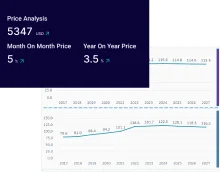
Analyze pricing patterns with comprehensive trend analyses.
Analyse trade data for supply chain insights.
Leverage cost reports for smart savings
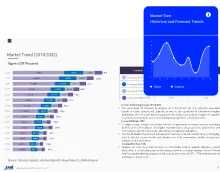
Elevate supply chain with collaboration
We are happy to help you navigate through the services we offer and solve your queries.
Contact us
