Consumer Insights
Uncover trends and behaviors shaping consumer choices today
Procurement Insights
Optimize your sourcing strategy with key market data
Industry Stats
Stay ahead with the latest trends and market analysis.
The Australia diagnostic imaging equipment market covers X-ray and fluoroscopy, ultrasound, computed tomography, magnetic resonance imaging, nuclear imaging and mammography systems sold to hospitals, imaging centres and research institutes. These systems let clinicians see inside the body without surgery, supporting earlier diagnosis, treatment planning and monitoring across cancer, cardiovascular, musculoskeletal and neurological care.
In 2025, the market is valued at AUD 1150.00 million and is forecast to grow at a CAGR of 5.30%, reaching AUD 1927.44 million by 2035. Growth is driven by 32.2 million Medicare-subsidised imaging services in the year to June 2025, wider Medicare eligibility for MRI scanners, state hospital builds and demand for AI-enabled and theranostics-ready systems.
Compound Annual Growth Rate
5.3%
Value in AUD million
2026-2035
The Australia diagnostic imaging equipment market is entering a build-out phase. Medicare licensing once limited where high-value scanners could earn rebates, but practice-based MRI licensing and state hospital programs are now widening demand for new MRI, CT and nuclear imaging systems.
Three forces are shaping the market: Medicare reform of MRI eligibility, which Philips says lifted subsidised MRI units from 227 to 620; state investment led by Queensland, with more than AUD 270 million for new MRI and CT capacity; and a technology shift towards AI reconstruction, helium-light magnets and PET systems suited to theranostics.
In February 2026 the new Footscray Hospital opened with three CT scanners and three MRI machines, in May 2026 Jardine Matheson agreed to buy I-MED Radiology at an enterprise value of AUD 3.4 billion, and the government confirmed yearly PSMA PET scans from 1 November 2026.
The market is moving from ageing, licence-constrained fleets towards larger, faster and more software-driven installations that match Medicare eligibility and hospital build programs. Ultrasound leads because it serves the widest range of clinical uses, while nuclear imaging and AI-enabled systems advance fastest as theranostics and reconstruction software raise the value of each scanner. Diagnostic imaging centres expand quickest among buyers as corporate groups add MRI capacity, and Queensland grows fastest among the states, with New South Wales remaining the larger base. Medicare reform, hospital capital programs and helium-light magnet designs underpin a durable multi-year outlook rather than a cyclical uplift.
| Metric | Value |
| Market Size 2025 | AUD 1150.00 million |
| Projected Market Size 2035 | AUD 1927.44 million |
| CAGR 2026 to 2035 | 5.30% |
| Fastest-Growing Modality | Nuclear Imaging: 7.1% CAGR |
| Fastest-Growing Technology | AI-Enabled Systems: 8.4% CAGR |
| Largest Revenue Segment 2025 | Ultrasound |
| Dominant Region | New South Wales |
| Highest CAGR by Region | Queensland: 5.9% |
| Medicare-subsidised MRI units, August 2026 | 620 units, up from 227 |
Medicare Reform Anchors Replacement Demand
Revenue is on course to expand by about 68% across the decade, from AUD 1,150.00 million in 2025 to AUD 1,927.44 million in 2035 at a 5.3% CAGR. Practice-based MRI licensing and a possible second stage from July 2027 keep replacement and expansion orders flowing to scanner suppliers.
Nuclear Imaging and AI-Enabled Systems Lead Growth
Ultrasound holds the largest revenue share, but nuclear imaging grows at an estimated 7.1% CAGR and AI-enabled systems at an estimated 8.4% CAGR through 2035. Yearly PSMA PET access and the Peter MacCallum total body PET/CT show how theranostics and software reshape purchasing.
I-MED Sale Reshapes the Imaging Buyer Landscape
Jardine Matheson agreed in May 2026 to acquire I-MED Radiology at an enterprise value of AUD 3.4 billion, with completion expected in late 2026. The buyer will shape purchasing across one of the country's largest scanner fleets.
| Report Summary | Unit | Value |
| Base Year | AUD million | 2025 |
| Historical Period | AUD million | 2019 to 2025 |
| Forecast Period | AUD million | 2026 to 2035 |
| Market Size 2025 | AUD million | 1150.00 |
| Market Size 2035 | AUD million | 1927.44 |
| CAGR 2026 to 2035 | Percentage | 5.30% |
| CAGR by Modality: Nuclear Imaging | Percentage | 7.1 % |
| CAGR by Technology: AI-Enabled Systems | Percentage | 8.4 % |
| CAGR by End User: Diagnostic Imaging Centres | Percentage | 6.2 % |
| CAGR by Region: Queensland | Percentage | 5.9 % |
| Medicare-Subsidised Diagnostic Imaging Services, Year to June 2025 | Million Services | 32.2 |
| Medicare-Subsidised MRI Units, August 2026 | Units | 620 |
| Market Share by Region 2025 | New South Wales | Dominant Share |
The trajectory reflects structural reform rather than a cycle. Medicare licensing, hospital builds and theranostics lift orders, while AI software and hybrid systems raise the value of each scanner sold.
The Australia diagnostic imaging equipment market is being reshaped by regional hospital builds, helium-light MRI, Medicare fee changes and state scanner investment.
September 2026 - NSW Delivers First Public MRI and CT Equipment to Eurobodalla Regional Hospital
August 2026 - Philips Highlights Helium-Light MRI as the Subsidised Fleet Expands
July 2026 - Medicare Imaging Changes Take Effect on 1 July 2026
May 2026 - Queensland Adds a CT Scanner at Charleville Within a Statewide Imaging Program
Growth is structurally locked in rather than cyclical. Reimbursement reform sets the direction, public capital programs supply the volume, and sealed magnets and nuclear imaging mark the technology shift.
Recent developments, presented from the most recent, show the Australia diagnostic imaging equipment market moving from provider results and ownership change into new hospitals and research installations.
August 2026 - Integral Diagnostics Reports FY26 Results With Capitol Synergies Ahead of Plan
May 2026 - Jardine Matheson Agrees to Acquire I-MED Radiology From Permira
February 2026 - New Footscray Hospital Opens With Expanded CT and MRI Capacity
November 2025 - Peter MacCallum Cancer Centre Launches ACRF Imaging Centres Around Total Body PET/CT
The sequence shows a shift from planning to delivery. Provider results, ownership change and new hospitals confirm sustained scanner purchasing, while research installations preview the next generation of PET technology.
The Expert Market Research’s report on the Australia Diagnostic Imaging Equipment Market offers a detailed analysis of the market based on the following segments.
Market Breakup by Modality
Ultrasound leads because it recorded 12.9 million Medicare-subsidised services in the year to June 2025, the most of any modality. Nuclear Imaging grows fastest at an estimated 7.1% CAGR through 2035, backed by yearly PSMA PET access from 1 November 2026 and a Siemens Biograph Trinion PET-CT due at Imaging Associates in Footscray in October 2026. Magnetic Resonance Imaging gains from subsidised units rising from 227 to 620, and Computed Tomography from three scanners at Footscray Hospital, opened in February 2026. X-Ray and Fluoroscopy is a replacement-led segment. Others covers mammography and interventional systems, where breast imaging claiming rules eased in July 2026.
Market Breakup by Technology
Digital Imaging Systems lead because nearly every new detector, scanner and ultrasound console sold is digital, and the University of Sydney opened a Siemens Cima.X 3T MRI research facility in September 2025. AI-Enabled Systems grow fastest at an estimated 8.4% CAGR through 2035, as Philips promotes reconstruction that cuts scan times by up to threefold. Hybrid and Multimodality Systems cover PET/CT, SPECT/CT and PET/MR, including the GE HealthCare total body PET/CT at Peter Mac. Portable and Point-of-Care Systems serve emergency and regional sites, while Analogue and Legacy Systems shrink as ageing units are retired.
Market Breakup by End User
Hospitals lead because public and private campuses buy the broadest scanner fleets, and Footscray Hospital opened on 18 February 2026 with three CT scanners and three MRI machines. Diagnostic Imaging Centres grow fastest at an estimated 6.2% CAGR through 2035, as Integral Diagnostics lifted its Australian MRI fleet from 23 to 42 machines by June 2026 and Jardine Matheson agreed to buy I-MED in May 2026. Specialist and Referral Clinics buy compact ultrasound and X-ray systems for cardiology, women's health and orthopaedics. Research and Academic Institutes include the University of Newcastle, which sought tenders in August 2026 for preclinical MRI, PET and CT. Others covers mobile and aged care imaging.
Market Breakup by Region
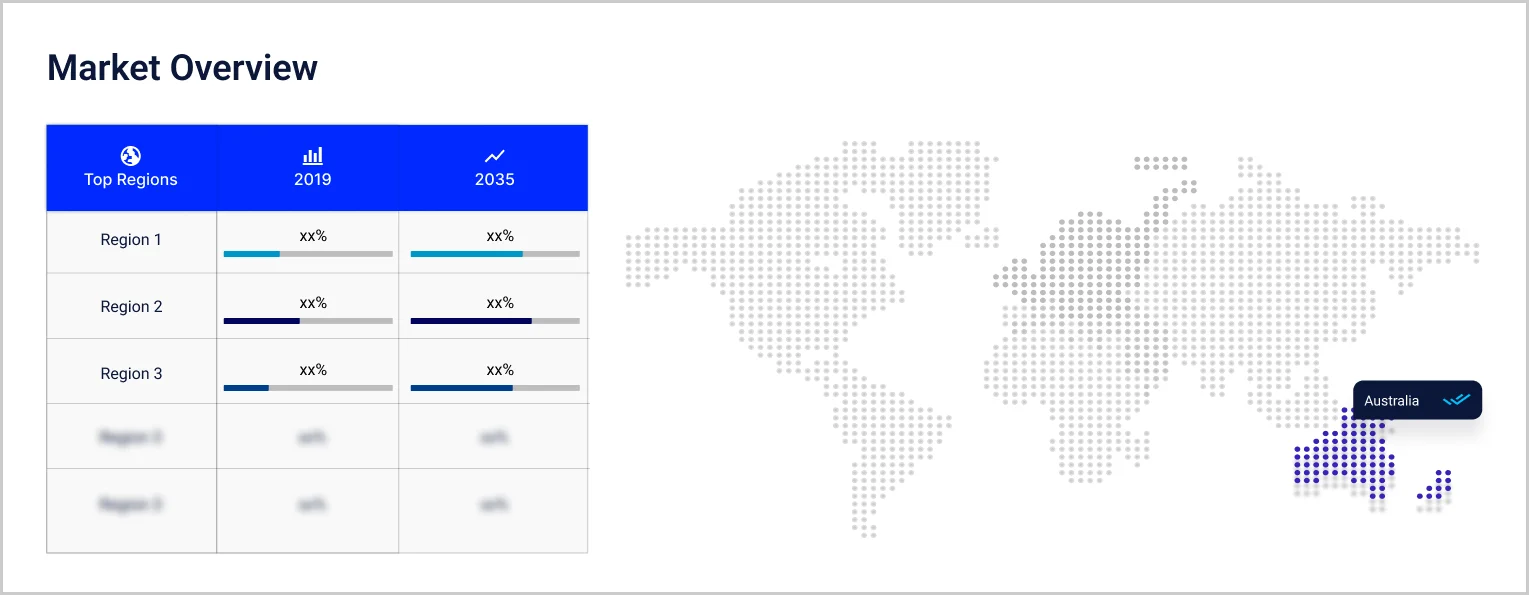
New South Wales dominates through its large teaching hospital and private provider base, and it grows at an estimated 5.1% CAGR through 2035; NSW Health delivered the Eurobodalla Regional Hospital MRI and CT equipment in September 2026. Queensland is the fastest-growing state at an estimated 5.9%, helped by a program of more than AUD 270 million for six MRI machines and nine CT scanners. Victoria grows at 5.2%, with Footscray Hospital opened in February 2026, and Western Australia at 5.4%, as regional sites favour compact CT and ultrasound. South Australia grows at 5.0%, supported by research-linked imaging. Others covers Tasmania, the ACT and the Northern Territory at 4.9%.
| CAGR 2026 to 2035, Market by Region | Growth Rate |
| New South Wales | 5.1 % |
| Victoria | 5.2 % |
| Queensland | 5.9 % |
| Western Australia | 5.4 % |
| South Australia | 5.0 % |
| Others (incl. Tasmania, ACT and Northern Territory) | 4.9 % |
Competition combines global scanner makers, large provider groups that buy in volume and specialist suppliers. Entry barriers include therapeutic goods registration, local service engineering, Medicare equipment eligibility rules and the hospital tender relationships that anchor multi-year supply.
Siemens Healthineers
Siemens Healthineers, headquartered in Erlangen, Germany, supplies MRI, CT, PET-CT, X-ray and ultrasound systems, including the MAGNETOM and NAEOTOM ranges. In September 2025 it partnered with the University of Sydney on a Cima.X 3T MRI research facility, and in August 2026 Imaging Associates said its new Footscray clinic, opening in October 2026, would house a Biograph Trinion PET-CT.
GE HealthCare
GE HealthCare, headquartered in Chicago, Illinois, makes CT, MRI, PET/CT, ultrasound, X-ray and mammography systems and imaging software. In November 2025 Peter MacCallum Cancer Centre launched two Australian Cancer Research Foundation centres built around a GE HealthCare total body PET/CT, which Peter Mac says is the first site globally to install the technology.
Philips
Royal Philips, headquartered in Amsterdam, the Netherlands, supplies MRI, CT, ultrasound, X-ray and image-guided therapy systems, and reported 2025 sales of EUR 18 billion. Its BlueSeal sealed-magnet MRI uses about 7 litres of helium, and in August 2026 Philips Australia and New Zealand said the Medicare-subsidised MRI fleet had grown from 227 to 620 units. It counts more than 2,000 BlueSeal systems installed worldwide.
Integral Diagnostics
Integral Diagnostics, listed on the ASX as IDX, operates 142 radiology sites across Australia and New Zealand and buys CT, MRI, ultrasound and X-ray systems for them. On 25 August 2026 it reported fiscal 2026 revenue of AUD 788.7 million, up 25.6%, after integrating Capitol Health, and 42 Australian MRI machines against 23 a year earlier. It guided fiscal 2027 capital expenditure of AUD 50 million to AUD 60 million.
Other players operating in the Australia diagnostic imaging equipment market include Canon Medical, Fujifilm, United Imaging, I-MED Radiology, and Lumus Imaging, alongside regional distributors, service engineering firms and AI software developers supporting purchasing across Australia.
Competition rests on installed base, service reach, software capability and tender relationships rather than price alone. Global manufacturers and large provider groups shape purchasing, while consolidation concentrates buying power.


Upto 15% Off
AUD
$2749 $2499
$3849 $3499
$4949 $4499
$6049 $5499


*While we strive to always give you current and accurate information, the numbers depicted on the website are indicative and may differ from the actual numbers in the main report. At Expert Market Research, we aim to bring you the latest insights and trends in the market. Using our analyses and forecasts, stakeholders can understand the market dynamics, navigate challenges, and capitalize on opportunities to make data-driven strategic decisions.*
The Australia diagnostic imaging equipment market is valued at AUD 1150.00 million in 2025, supported by wider Medicare MRI eligibility, state hospital builds and growing demand for AI-enabled and nuclear imaging systems, with New South Wales as the larger base.
The market is forecast to reach AUD 1927.44 million by 2035, growing at a CAGR of 5.30 % over the 2026 to 2035 period, driven by practice-based MRI licensing, public scanner programs and the shift towards AI reconstruction and theranostics-ready PET systems.
AI-Enabled Systems record the highest CAGR at an estimated 8.4% through 2035, as vendors embed reconstruction software that shortens scans and as providers seek higher throughput from existing rooms.
New South Wales dominates, supported by its large teaching hospital and private provider base. Queensland is the fastest-growing state at an estimated 5.9% CAGR, helped by a program of more than AUD 270 million for new MRI and CT capacity.
Key players include Siemens Healthineers, GE HealthCare, Philips, Integral Diagnostics, Canon Medical, Fujifilm, United Imaging, I-MED Radiology, and Lumus Imaging.
From 1 July 2025 Medicare replaced equipment-based licences with practice-based licences for eligible metropolitan practices, so more MRI machines can attract rebates. A second stage from 1 July 2027 depends on legislation.
PSMA PET/CT is a scan that locates recurrent prostate cancer. From 1 November 2026 Medicare will fund yearly scans for eligible men instead of two per lifetime, raising demand for PET capacity.
Explore our key highlights of the report and gain a concise overview of key findings, trends, and actionable insights that will empower your strategic decisions.
| REPORT FEATURES | DETAILS |
| Base Year | 2025 |
| Historical Period | 2019-2025 |
| Forecast Period | 2026-2035 |
| Scope of the Report |
Historical and Forecast Trends, Industry Drivers and Constraints, Historical and Forecast Market Analysis by Segment:
|
| Breakup by Modality |
|
| Breakup by Technology |
|
| Breakup by End User |
|
| Breakup by Region |
|
| Market Dynamics |
|
| Competitive Landscape |
|
| Companies Covered |
|
Datasheet
AUD 2,749
AUD 2,499
tax inclusive*
Single User License
AUD 3,849
AUD 3,499
tax inclusive*
Five User License
AUD 4,949
AUD 4,499
tax inclusive*
Corporate License
AUD 6,049
AUD 5,499
tax inclusive*
*Please note that the prices mentioned below are starting prices for each bundle type. Kindly contact our team for further details.*
Flash Bundle
Small Business Bundle
Growth Bundle
Enterprise Bundle
*Please note that the prices mentioned below are starting prices for each bundle type. Kindly contact our team for further details.*
Flash Bundle
Number of Reports: 3
20%
tax inclusive*
Small Business Bundle
Number of Reports: 5
25%
tax inclusive*
Growth Bundle
Number of Reports: 8
30%
tax inclusive*
Enterprise Bundle
Number of Reports: 10
35%
tax inclusive*
How To Order

Select License Type
Choose the right license for your needs and access rights.

Click on ‘Buy Now’
Add the report to your cart with one click and proceed to register.

Select Mode of Payment
Choose a payment option for a secure checkout. You will be redirected accordingly.
Strategic Solutions for Informed Decision-Making
Stay upgraded and grab opportunities by strategic insights
Stay informed and aware for a Market Leverage
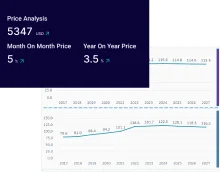
Analyze pricing patterns with comprehensive trend analyses.
Analyse trade data for supply chain insights.

Leverage cost reports for smart savings
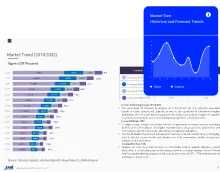
Elevate supply chain with collaboration
Contact Us for Further Information
Our specialized analysts will be available to answer all the pre-purchase and post-purchase queries regarding the report.
Our specialized analysts will be available to answer all the pre-purchase and post-purchase queries regarding the report.
Staying one step ahead of the market landscape with our in-depth research methods, integrating advanced analytics to drive precise and tangible outcomes.
Our expert analyst team offers a significant advantage over competitors, with extensive market insights into the latest trends, putting you strategically ahead.
We deliver a simplified yet extensive report, comprising in-depth industry insights and analytics tailored to your industry requirements.
We are happy to help you navigate through the services we offer and solve your queries.
Contact us