
The logistics segment manages the movement and storage of the goods from the point of origin to the final destination, making it a key part of the e-commerce operations. Our services cover competitive analysis, supply chain analysis, technology tracking, market sizing, customer analysis, regulatory and policy review, risk planning, pricing, and expansion strategy insights to help logistics firms improve operations and strengthen customer satisfaction in a highly competitive market.
HOW WE HELP OUR CLIENTS IN THIS SECTOR
Supply Chain Optimization
We help the clients improve efficiency, manage costs, and strengthen the delivery timelines by analyzing logistics trends, technology developments, and operational bottlenecks. Our insights support an efficient and smoother process, better response to the demand changes, and stronger supply chain resilience.
- Identifying bottlenecks across supply chain workflows and recommending suitable automation solutions.
- Analyzing inventory turnover to help businesses adopt just-in-time or demand-driven models.
- Evaluating supplier collaboration to improve sourcing and distribution efficiency.
- Guiding the use of smart technologies to reduce the costs across supply chain operations.
Improving Automotive Logistics Across U.S. Regions
Modal Efficiency and Route PlanningA third-party logistics provider seeking to expand in the U.S. automotive logistics market partnered with us to identify high-efficiency service models and improve cross-regional operating flow. Using findings from transportation, warehousing, inventory management, and integrated logistics workflows, we assessed the modal mix across road, rail, maritime, and air.
Real-time data tracking supported a better alignment of the various transport modes with the component volatility and lead time pressures. In the regions of Midwest and Southeast, route-level analysis showed inefficiencies linked to repeated intermodal transfers. This led to a shift toward dedicated road transport for finished vehicle delivery.
Inventory, Packaging, and Regional Asset AlignmentA warehouse footprint review in the area of Southern California supported the layout changes that improved the inventory turnover and reduced the holding costs. For the electronic auto components, we designed a specialized packaging workflows to lower in-transit damage during multi-leg shipments.
The demand clustering shaped the distribution network planning, especially across the Great Lakes and Southern regions, where the OEM and the Tier 1 supplier density was extremely high. This enabled more effective asset reallocation, aligning the inventory placement and the fleet deployment with the area-specific and regional needs and customer service targets.
Restructuring Logistics Operations Across China’s Industrial Corridors
Carrier Benchmarking and Delivery ImprovementA multinational manufacturing firm operating across several provinces in China engaged us to redesign its logistics network to address rising transport costs and changing demand patterns. The analysis covered 1 PL, 2 PL, and 3 PL logistics models, along with transportation efficiency across roadways, railways, seaways, and airways.
The performance benchmarking of 2 PL and 3 PL providers revealed the last-mile delivery gaps in the Yangtze River Delta. These findings supported the vendor contract restructuring to address the service issues. For the IT hardware shipments, load the consolidation strategies along the eastern rail corridors helped reduce the partial-load costs and improve the goods movement.
Multimodal Routing and Warehouse RealignmentThe growth across end-user sectors in Southern China, particularly in food and beverage and healthcare, supported a revised warehousing strategy aligned with regional demand growth. Mode shift modelling showed that the seaway routes between the Guangdong and inland consumption centers were underused, leading to the revised multimodal routing plans aimed at improving the delivery timelines and cost control.
By mapping the capabilities of the key logistics partners, we supported a stronger contract negotiations and the volume-based incentive structures. These improvements enhanced network efficiency and helped the logistics footprint remain responsive to regulatory and commercial changes.
Freight Trends and Pricing
We support clients in tracking shipping costs, demand shifts, and route efficiency across freight operations. Our analysis also covers fuel price movement, regulatory changes, and seasonal demand patterns, helping companies adjust pricing strategies, forecast expenses, and optimize routing to protect profitability and remain competitive.
- Monitoring the fuel price fluctuations and assessing their impact on the freight costs.
- Assessing the green logistics initiatives, including carbon reduction mandates as well as eco-friendly transport options.
- Exploring the adoption of the digital platforms and automation across freight processes.
- Tracking the rise of the e-commerce-driven freight demand.
Rail Freight Optimization and Pricing Strategy Across U.S. Corridors
Cost Benchmarking and Route EfficiencyA bulk materials distributor operating across the multiple U.S. states engaged us to assess the cost movements and improve the route efficiency across its rail freight operations. The study covered key transport formats, including the intermodal, tank wagons, and freight cars, with comparative cost modelling across shipment categories.
In the Midwest and Southwest, tank wagon use for the energy resources was benchmarked against the intermodal options for the construction material movement, revealing the route-level cost advantages. Real-time pricing was assessed alongside the commodity cycles to develop the predictive lane-level rate models. Operational diagnostics also identified the repeated the interchange terminal delays in the Great Lakes region, supporting revised terms with local carriers.
Utilization Planning and Long-Term Cost ControlThe capacity utilization trends across the agricultural freight routes in the Plains helped the client improve the seasonal shipment planning and align the capacity with the harvest-linked demand surges. By the mapping of the fuel surcharge mechanisms across the Class I and regional railroads, we built cost structures that reduced pricing uncertainty for high-volume industrial shipments.
The competitive tracking of the rail operators expansion plans also supported the early tariff planning and the proactive freight allocation. These inputs helped the client handle the freight costs more effectively while strengthening of the supply chain resilience across the regional North American distribution network.
Air Freight Optimization for the Electronics Exporter in Vietnam
Route-Level Pricing Analysis and Contract ImprovementA Southeast Asian electronics exporter aiming to the lower logistics cost per unit and improve the delivery consistency engaged us to refine the outbound air freight operations from Vietnam. The analysis covered the domestic and international routes, with a focus on key cargo hubs including Ho Chi Minh City and Hanoi.
We assessed freight, express, and mail service segments and identified the price volatility linked to the sudden capacity changes in express shipping lanes. Shipment data was reviewed by the weight and service category, supporting the contract renegotiations for key outbound lanes to Japan and the EU. This helped improve rate stability and cost predictability.
Bundling Strategy and Carrier PartnershipsPrice elasticity modelling was used to identify the cost-per-kilogram thresholds that affected the shipment profitability. These analytical findings led the bundling strategies and helped optimize the load configurations.
A competitive scan identified the emerging service providers offering the time-definite deliveries with a lower surcharge, allowing the client to rebalance the carrier mix. End-use segmentation also showed that the express freight demand was largely driven by the private-sector flows. This supported a partnership focus on the dual-purpose air lanes serving electronic goods and mail, improving the efficiency and service reliability across target regions.
Cold Chain Analysis
Our team evaluates demand patterns, market trends, and technology developments for temperature-sensitive goods. The assessment also covers market opportunities, regulatory changes, and competitor strategies, helping clients improve operations, identify growth areas, and remain competitive in the cold chain sector.
- Tracking how temperature-sensitive products across industries are driving the need for stronger cold chain infrastructure.
- Exploring technology developments in cold storage and temperature-controlled logistics.
- Providing cost-focused cold chain insights to help companies improve energy use.
- Helping businesses identify and manage risks across cold chain operations.
Cold Chain Planning for an Australian Food Distributor
Route Segmentation and Infrastructure ReviewA national food distributor serving the urban and the remote areas across Australia worked with us to develop efficient cold chain logistics strategies suited to regional infrastructure differences. The analysis segmented transport needs by temperature range, including chilled (0°C to 15°C), frozen (-18°C to -25°C), and deep-frozen (below -25°C), and aligned them with product categories such as dairy, meat, and frozen meals.
A gap assessment found the underused storage capacity in various secondary distribution centres across the region of Queensland. This led to the inventory redistribution, reduced intra-network transfer times, and improved shelf-life assurance.
Process Improvements and Innovation DeploymentOur review of the last-mile delivery practices identified the temperature maintenance issues during transit, particularly in New South Wales and Victoria. Real-time monitoring systems were introduced in the refrigerated vehicles to improve end-to-end temperature compliance.
To address energy reliability concerns in the regional warehouses, we recommended and supported the pilot of solar-powered cold storage units. This helped reduce the spoilage rates and improved the energy cost predictability across facilities, strengthening operations in areas with limited grid stability.
Commercial Refrigeration Growth Strategy for a Global Equipment Supplier
Segment Prioritization and Product Development FocusA commercial equipment supplier planning to expand within the global cold storage supply chain engaged us to identify the growth avenues across the specialized refrigeration categories. The assessment covered the refrigerators, freezers, refrigerated display cases, transportation units, vending equipment, and other solutions tailored to foodservice, pharmaceutical, and convenience retail applications.
Application-level analysis helped realign product development with the sector-specific needs. It also identified the investment potential in the modular trailer refrigeration systems to support flexible fleet deployment in transport logistics.
Regional Opportunities and Technology AlignmentIn beverage refrigeration segment, the rising demand for the energy-efficient models across the region of Latin America and Southeast Asia supported the sourcing shifts toward the next-generation compressors aligned with the dynamic energy standards. The competitive benchmarking also revealed the regional differences in the refrigerant technology adoption, helping the shape the targeted market-entry strategies.
Urban micro-retail formats emerged as an untapped niche for the compact vending refrigeration solutions. The automated defrost functions and the smaller unit footprints addressed the space limitations and operating simplicity. The final roadmap balanced technical innovation with the price competitiveness across the fast-growing, cost-sensitive markets.
Warehousing Dynamics
Our studies provide practical insights into warehouse location trends, cost optimisation, and technology integration. We help clients assess market demand, review facility performance, and identify ways to improve storage efficiency, support timely deliveries, and maintain competitiveness in a fast-changing logistics market.
- Providing insights into warehouse automation technologies, including AI-driven systems that improve warehouse efficiency.
- Exploring e-commerce fulfilment needs, including faster order processing and returns management strategies.
- Analysing current industry benchmarks for warehouse operations.
- Reviewing trends in warehouse risk management.
Optimising Post-Harvest Infrastructure for Grain Storage
Silo Design Aligned with Crop and Climate NeedsWe partnered with an agritech firm supporting grain producers with post-harvest infrastructure to identify priority investment areas in silo technology across emerging regions. The analysis segmented storage systems by type, including flat-bottom silos, hopper-bottom silos, feed hoppers, and farm silos, and aligned them with key crops such as maize, wheat, rice, soybeans, and sunflowers.
To support moisture-sensitive crops, we mapped the climate data and harvest cycles against storage design needs. In East Africa and Southeast Asia, the changing demand supported a shift toward modular hopper-bottom systems, helping improve the grain handling efficiency and reduce the post-harvest losses.
Space Efficiency and Smart Storage IntegrationCost-benefit modelling showed land use constraints in the urban-fringe agricultural zones, encouraging the use of vertical silos in the areas with limited space. The competitive benchmarking also indicated a rising preference for IoT-enabled aeration systems among mid-sized farms, leading to faster adoption of remote temperature and humidity controls.
These features supported the spoilage prevention alongside the data-led compliance across the various regulatory settings. The final method helped define the region-specific storage configurations, improving the traceability and also supporting the changing food safety standards.
Redefining The Storage Strategy for Cross-Border Trade
Customised Warehousing Models Across the GCCWe collaborated with a logistics provider expanding across the GCC to assess warehousing models suited to the regional trade flows and changing customer segments. The review covered general, refrigerated, and farm product storage facilities, along with the ownership structures such as private, public, and bonded warehouses.
In the regions of Saudi Arabia, UAE, and Oman, the regulatory benefits of bonded warehouses supported the client’s decision to invest in temperature-controlled storage for pharmaceutical shipments, reducing delays at the customs checkpoints. Warehouse efficiency benchmarking was also found to be underused pallet space and limited the cross-docking functionality in older facilities, leading to layout redesigns and improved zone allocation.
Investment Priorities and Regional PartnershipsIn the regions of Bahrain and Kuwait, demand forecasting for farm product storage was aligned with the agri-import seasonality to recommend various modular warehousing setups that could scale flexibly. A cost-to-serve analysis across the warehouse types market segmentation and the verticals supported the phased capital investment while maintaining the SLA compliance.
Strategic partnerships with local operators were identified as important for improving the last-mile delivery capabilities without affecting the real-time inventory visibility. These findings helped the client build a future-ready storage network with the flexibility to serve multiple fast-growing sectors across the region.
Market Insights
Our goal is to become your trusted partner across industries, aspiring for an in-depth market perspective, helping you succeed through the dynamic market terrain.
Consumer Insights
Analyzing the trends, behaviours, and client preferences for detailed marketing programs.
Competitive Benchmarking
Providing a thorough examination of the competitive landscape for a deeper evaluation of strengths and recognition of opportunities.
Major Performance Indicators
These indicators ensure industry standards are met and demonstrate the value we provide to our clients.



Insightful Analysis for Strategic Guided Choices
Stay upgraded and grab opportunities by strategic insights
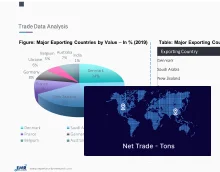
Stay informed and aware for a Market Leverage
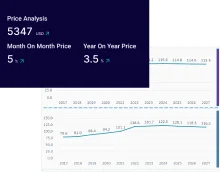
Analyze pricing patterns with comprehensive trend analyses.
Analyse trade data for supply chain insights.
Leverage cost reports for smart savings

Elevate supply chain with collaboration
We are happy to help you navigate through the services we offer and solve your queries.
Contact us
