Consumer Insights
Uncover trends and behaviors shaping consumer choices today
Procurement Insights
Optimize your sourcing strategy with key market data
Industry Stats
Stay ahead with the latest trends and market analysis.
The Australia automotive engine oils market covers crankcase lubricants sold for passenger cars, light and heavy commercial diesel and petrol vehicles, and motorcycles, in mineral, semi-synthetic, fully synthetic and re-refined formulations across the standard viscosity grades. These oils cut friction and wear, carry heat and contaminants away from the engine and protect emissions equipment, so they are drained and replaced at set service intervals.
In 2025, the market is valued at AUD 795.00 million and is forecast to grow at a CAGR of 3.20%, reaching AUD 1089.34 million by 2035. Growth is supported by a registered fleet of about 22.3 million motor vehicles at 31 January 2025, a steady move to synthetic low-viscosity grades and higher base oil costs that lift prices per litre.
Compound Annual Growth Rate
3.2%
Value in AUD million
2026-2035
The Australia automotive engine oils market is a replacement market tied to the size and age of the vehicle fleet. Volumes follow servicing activity, while value is shaped by the mix of synthetic grades, import costs and the pull of hybrid and electric vehicles on conventional oil demand.
Three forces are shaping the market: a large diesel-heavy fleet, with about 29.4% of registered vehicles diesel-fuelled; dependence on imported base oils, as the country has no virgin base oil production; and tighter vehicle rules, including the New Vehicle Efficiency Standard that began crediting and penalising manufacturers from 1 July 2025.
In July 2025, an industry review described automotive lubricant demand as stable but burdened by rising compliance costs. In November 2025, Euro 6 rules became mandatory for new heavy vehicle models, and in June 2026 the Australian Lubricant Association asked government to treat base oil supply with the urgency given to transport fuel.
The market is shifting from mineral and semi-synthetic oils towards fully synthetic, low-viscosity grades that suit hybrids and modern direct-injection engines, while diesel utes and trucks keep demand for robust heavy-duty grades. Passenger cars lead on revenue, light commercial vehicles grow fastest, and fully synthetic oils advance quickest within base oil types. Workshops lead sales, but online sales gain share steadily. Queensland grows quickest, with New South Wales the largest region. Import costs, electrification and longer drain intervals temper volumes, yet pricing and premium mix support a durable outlook.
| Metric | Value |
| Market Size 2025 | AUD 795.00 million |
| Projected Market Size 2035 | AUD 1089.34 million |
| CAGR 2026 to 2035 | 3.20% |
| Fastest-Growing Vehicle Type | Light Commercial Vehicles: 4.1% CAGR |
| Fastest-Growing Base Oil Type | Fully Synthetic Oils: 4.0% CAGR |
| Largest Revenue Segment 2025 | Passenger Cars |
| Dominant Region | New South Wales |
| Highest CAGR by Region | Queensland: 3.7% |
| Registered motor vehicles at 31 January 2025 | About 22.3 million |
Fleet Size and Premium Mix Anchor Value Growth
Revenue is on course to expand by about 37% across the decade, from AUD 795.00 million in 2025 to AUD 1,089.34 million in 2035 at a 3.2% CAGR. A large fleet, regular servicing and a richer synthetic mix offset slower litre growth.
Utes and Synthetics Lead the Growth Pace
Passenger cars hold the largest revenue base, but light commercial vehicles grow at an estimated 4.1% CAGR and fully synthetic oils at an estimated 4.0% CAGR through 2035. Online sales are expected to rise at 7.2% as buyers compare grades and prices digitally.
Castrol Ownership Change Reshapes a Leading Brand
In December 2025, bp agreed to sell a majority controlling interest in Castrol to Stonepeak, keeping a minority stake. Australian customers should see continuity of supply, with attention on how the new owner invests in blending and brand support.
| Report Summary | Unit | Value |
| Base Year | AUD million | 2025 |
| Historical Period | AUD million | 2019 to 2025 |
| Forecast Period | AUD million | 2026 to 2035 |
| Market Size 2025 | AUD million | 795.00 |
| Market Size 2035 | AUD million | 1089.34 |
| CAGR 2026 to 2035 | Percentage | 3.20 % |
| CAGR by Vehicle Type: Light Commercial Vehicles | Percentage | 4.1 % |
| CAGR by Base Oil Type: Fully Synthetic Oils | Percentage | 4.0 % |
| CAGR by Sales Channel: Online Sales | Percentage | 7.2 % |
| CAGR by Region: Queensland | Percentage | 3.7 % |
| Registered Motor Vehicles at 31 January 2025 | Million Units | 22.3 |
| Diesel-Fuelled Share of the Registered Fleet at 31 January 2025 | Percentage | 29.4 % |
| Market Share by Region 2025 | New South Wales | Dominant Share |
Fleet size, diesel intensity and a steady move to synthetic low-viscosity grades support value, while electrification and imported base oil costs shape volumes. Passenger cars lead and workshops dominate sales.
The Australia automotive engine oils market is being reshaped by base oil price shocks, hybrid-driven grade shifts, stricter heavy vehicle emission rules and investment in regional supply.
June 2026 - Middle East Conflict Pushes Base Oil Prices Sharply Higher
January 2026 - Hybrids Keep Demand Growing for Low-Viscosity Oils
November 2025 - Euro 6 Becomes Mandatory for New Heavy Vehicle Models
October 2025 - Viva Energy Opens Karratha Lubricants Hub for the Pilbara
Price volatility, grade shifts and stricter emission rules now move together. Hybrids and diesel trucks keep engine oil relevant, while regional supply investment improves availability for heavy users.
Recent developments, presented from the most recent, show the Australia automotive engine oils market adjusting to supply risk, ownership change and softer heavy vehicle sales.
August 2026 - Ampol Reports Lytton Turnaround Under Way After EG Australia Deal
May 2026 - Valvoline Restore & Protect Wins Aftermarket Innovation Award
January 2026 - Heavy Vehicle Sales Fall but Stay Above 40,000 Units
December 2025 - Stonepeak to Acquire Majority Control of Castrol From bp
Recent events show supply security and ownership moving to the foreground. Refinery works, brand investment and a softer truck market all influence how oil reaches workshops and fleets.
The Expert Market Research’s report on the Australia Automotive Engine Oils Market offers a detailed analysis of the market based on the following segments.
Market Breakup by Vehicle Type
Passenger Cars lead revenue, with 16.1 million on the register at 31 January 2025, but grow at an estimated 2.8% CAGR as hybrids and electric models spread. Light Commercial Vehicles grow fastest at an estimated 4.1% CAGR, since they made up 22.6% of 2025 new sales and run diesel engines with larger sumps. Heavy Commercial Vehicles advance at 3.5%, with 45,191 heavy sales reported in January 2026. Motorcycles and Scooters grow at 3.3%, as FCAI data of 8 January 2026 showed 33,018 road bikes, down 3.6%, and scooters up 3.8%.
Market Breakup by Base Oil Type
Fully Synthetic Oils lead and grow fastest at an estimated 4.0% CAGR, helped by hybrids and by premium launches such as Valvoline Restore & Protect, honoured in May 2026. Semi-Synthetic Oils grow at 2.6% as value buyers trade up. Mineral Oils grow only 1.0%, though older petrol engines and diesel trucks hold a base. Re-refined and Bio-Based Oils grow at 6.0% from a small base, with about 100,000 tonnes of re-refining capacity noted in June 2026.
Market Breakup by Sales Channel
Workshops and Dealership Service Centres lead, because most owners buy oil as part of a fitted service, and a June 2026 warning that price-sensitive drivers may defer servicing is a risk. Auto Parts Retail and DIY grows at 2.8%, supported by aftermarket launches awarded in May 2026. Fleet and Direct Bulk Supply grows at 3.4%, aided by Viva Energy's Karratha hub opened in October 2025. Online Sales grow fastest at an estimated 7.2% CAGR as buyers compare grades and prices digitally. Others covers agricultural and industrial users.
Market Breakup by Region
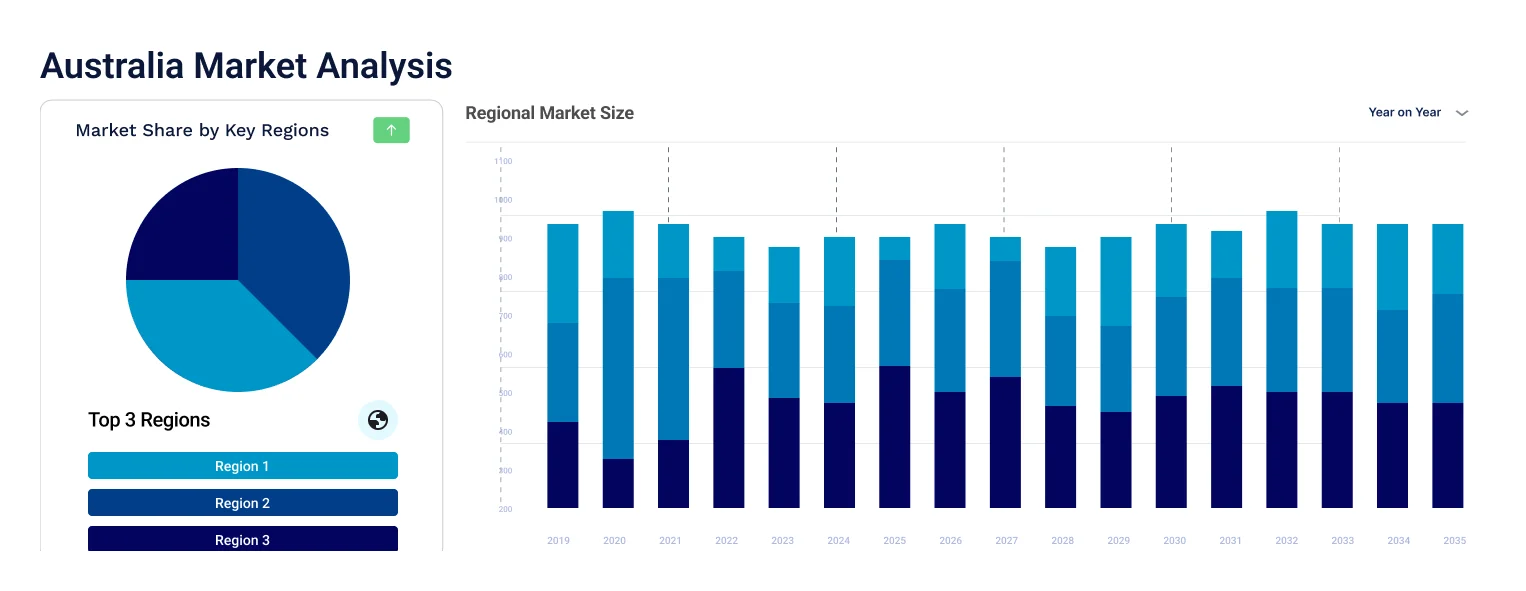
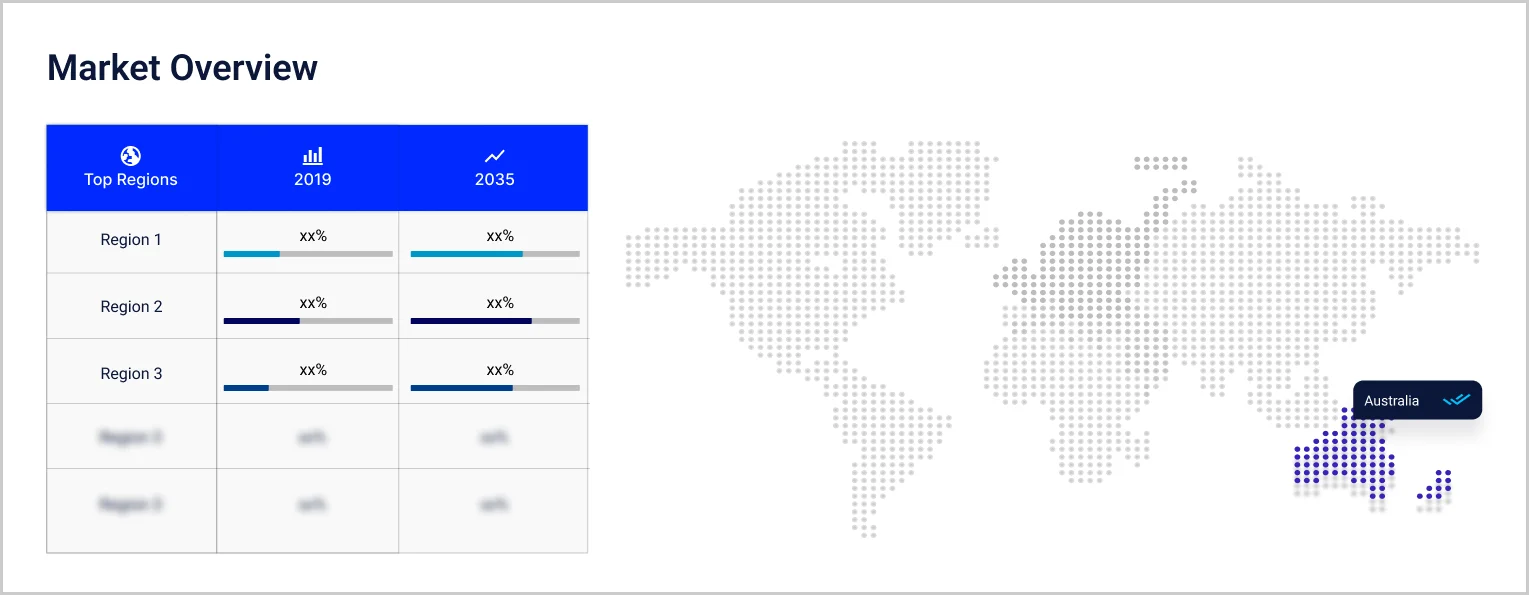
New South Wales dominates with 6.41 million registered vehicles at 31 January 2025, growing at an estimated 2.9% CAGR through 2035. Victoria follows with 5.69 million vehicles at 3.0%. Queensland is the fastest-growing region at an estimated 3.7%, with 4.89 million vehicles. Western Australia grows at 3.5%, supported by mining fleets served from the Karratha hub opened in October 2025. South Australia grows at 2.8%, with the register showing an older fleet. Others covers Tasmania, the ACT and the Northern Territory at 3.2%.
| CAGR 2026 to 2035, Market by Region | Growth Rate |
| New South Wales | 2.9 % |
| Victoria | 3.0 % |
| Queensland | 3.7 % |
| Western Australia | 3.5 % |
| South Australia | 2.8 % |
| Others (incl. Tasmania, the Australian Capital Territory and the Northern Territory) | 3.2 % |
Competition combines global brands, refinery-linked blenders and Australian independents. Entry barriers include base oil sourcing, specification approvals from vehicle makers, workshop and retail relationships and national distribution.
Castrol
Castrol, a global lubricants brand headquartered in the United Kingdom, supplies passenger car, commercial vehicle and motorcycle engine oils in Australia. Its December 2025 sale of a majority controlling interest by bp to Stonepeak, at an enterprise value of about USD 10.1 billion, puts a new owner behind the brand, with completion expected by the end of 2026. Castrol operates about 20 blending plants worldwide and sells in about 150 countries.
Ampol
Ampol, headquartered in Sydney, runs the Lytton refinery near Brisbane, which includes a lubricant blending plant that makes engine oils for the Australian market under its marketing alliance with ExxonMobil for Mobil lubricants. Its 24 August 2026 half-year release reported the Lytton turnaround under way from 30 July 2026, and Ampol completed its acquisition of EG Australia in June 2026, widening retail reach.
Viva Energy
Viva Energy, headquartered in Melbourne, is the licensed macro distributor of Shell Lubricants in Australia and supplies engine oils to workshops, fleets and resources customers. In October 2025 it opened a Karratha lubricants and grease facility worth more than AUD 25 million, with over 2.4 million litres of storage, and began shipping Shell product directly from Singapore to the Port of Dampier.
Penrite Oil
Penrite Oil is a privately owned Australian lubricant company headquartered in Dandenong South, Melbourne, with a second blending site in Brisbane and annual capacity of 38.4 million litres. It offers more than 170 products, including motor oils and motorcycle lubricants, and in October 2025 extended its title partnership with the Grove Racing Supercars team, led on the business side by chief executive Toby Dymond.
Other players operating in the Australia automotive engine oils market include Valvoline Global Operations, FUCHS Australasia, Gulf Western Oil, Motul, and Pertamina Lubricants, alongside auto parts retailers, quick-lube chains, fuel distributors and independent blenders supplying engine oils across Australia.
Competition rests on base oil access, vehicle maker approvals, brand strength and workshop reach. Global names hold broad portfolios, while local blenders compete through service, speed and specialist grades.


Upto 15% Off
AUD
$2749 $2499
$3849 $3499
$4949 $4499
$6049 $5499


*While we strive to always give you current and accurate information, the numbers depicted on the website are indicative and may differ from the actual numbers in the main report. At Expert Market Research, we aim to bring you the latest insights and trends in the market. Using our analyses and forecasts, stakeholders can understand the market dynamics, navigate challenges, and capitalize on opportunities to make data-driven strategic decisions.*
The Australia automotive engine oils market is valued at AUD 795.00 million in 2025, supported by a large diesel-heavy vehicle fleet, a steady shift to synthetic low-viscosity grades and higher base oil costs.
The market is forecast to reach AUD 1089.34 million by 2035, growing at a CAGR of 3.20 % over the 2026 to 2035 period, driven by regular servicing needs, rising synthetic mix and imported base oil price pressure, partly offset by electrification.
Online Sales records the highest CAGR at an estimated 7.2% through 2035, as buyers compare grades and prices digitally, although Workshops and Dealership Service Centres remain the largest channel.
New South Wales dominates through the largest registered fleet, at 6.41 million vehicles in January 2025. Queensland is the fastest-growing region at an estimated 3.7% CAGR, helped by fleet growth.
Key players include Castrol, Ampol, Viva Energy, Penrite Oil, Valvoline Global Operations, FUCHS Australasia, Gulf Western Oil, Motul, and Pertamina Lubricants.
It describes how an oil flows when cold and hot. The number before the W shows cold-start flow, and the second number shows thickness at operating temperature. Lower numbers suit modern, fuel-efficient engines.
Battery-electric vehicles use no engine oil, while hybrids and plug-in hybrids still do, often in thin synthetic grades. Hybrid sales rose 15.3% in 2025, so oil demand shifts in grade more than it disappears.
Explore our key highlights of the report and gain a concise overview of key findings, trends, and actionable insights that will empower your strategic decisions.
| REPORT FEATURES | DETAILS |
| Base Year | 2025 |
| Historical Period | 2019-2025 |
| Forecast Period | 2026-2035 |
| Scope of the Report |
Historical and Forecast Trends, Industry Drivers and Constraints, Historical and Forecast Market Analysis by Segment:
|
| Breakup by Vehicle Type |
|
| Breakup by Base Oil Type |
|
| Breakup by Sales Channel |
|
| Breakup by Region |
|
| Market Dynamics |
|
| Competitive Landscape |
|
| Companies Covered |
|
Datasheet
AUD 2,749
AUD 2,499
tax inclusive*
Single User License
AUD 3,849
AUD 3,499
tax inclusive*
Five User License
AUD 4,949
AUD 4,499
tax inclusive*
Corporate License
AUD 6,049
AUD 5,499
tax inclusive*
*Please note that the prices mentioned below are starting prices for each bundle type. Kindly contact our team for further details.*
Flash Bundle
Small Business Bundle
Growth Bundle
Enterprise Bundle
*Please note that the prices mentioned below are starting prices for each bundle type. Kindly contact our team for further details.*
Flash Bundle
Number of Reports: 3
20%
tax inclusive*
Small Business Bundle
Number of Reports: 5
25%
tax inclusive*
Growth Bundle
Number of Reports: 8
30%
tax inclusive*
Enterprise Bundle
Number of Reports: 10
35%
tax inclusive*
How To Order

Select License Type
Choose the right license for your needs and access rights.

Click on ‘Buy Now’
Add the report to your cart with one click and proceed to register.

Select Mode of Payment
Choose a payment option for a secure checkout. You will be redirected accordingly.
Strategic Solutions for Informed Decision-Making
Stay upgraded and grab opportunities by strategic insights
Stay informed and aware for a Market Leverage
Analyze pricing patterns with comprehensive trend analyses.

Analyse trade data for supply chain insights.
Leverage cost reports for smart savings
Elevate supply chain with collaboration

Contact Us for Further Information
Our specialized analysts will be available to answer all the pre-purchase and post-purchase queries regarding the report.
Our specialized analysts will be available to answer all the pre-purchase and post-purchase queries regarding the report.
Staying one step ahead of the market landscape with our in-depth research methods, integrating advanced analytics to drive precise and tangible outcomes.
Our expert analyst team offers a significant advantage over competitors, with extensive market insights into the latest trends, putting you strategically ahead.
We deliver a simplified yet extensive report, comprising in-depth industry insights and analytics tailored to your industry requirements.
We are happy to help you navigate through the services we offer and solve your queries.
Contact us