Consumer Insights
Uncover trends and behaviors shaping consumer choices today
Procurement Insights
Optimize your sourcing strategy with key market data
Industry Stats
Stay ahead with the latest trends and market analysis.
Farmers are opting for technologies that limit volatilization losses, as they do not want to lose large amounts of nitrogen that directly increase their return on investment. The change has become more visible as the global supply chains have been less stable. In April 2025, Rabobank highlighted that it was becoming increasingly important to manage nitrogen efficiently in Australia, as urea exports were tightening and there were logistical constraints, which were making the price more volatile for Australian buyers.
Such economic pressures are pushing farmers to use urease inhibitors that keep the nutrients stable without any worries. Companies are creating more local performance demonstrations to meet the increasing demand. In December 2024, CSBP announced that the field trials in WA had demonstrated that their newly coated fertiliser, Urea Sustain, had delivered nitrogen efficiency and yield gains that were measurable under real farming conditions. A combination of these factors has resulted in an increasing adoption of urease-based solutions among farmers who are at the same time looking for cost control and agronomic consistency. This, in turn, is supporting the Australia urease market expansion.
Compound Annual Growth Rate
8.3%
Value in AUD million
2026-2035
|
Australia Urease Market Report Summary |
Description |
Value |
|
Base Year |
AUD million |
2025 |
|
Historical Period |
AUD million |
2019-2025 |
|
Forecast Period |
AUD million |
2026-2035 |
|
Market Size 2025 |
AUD million |
333.72 |
|
Market Size 2035 |
AUD million |
740.74 |
|
CAGR 2019-2025 |
Percentage |
XX% |
|
CAGR 2026-2035 |
Percentage |
8.30% |
|
CAGR 2026-2035 - Market by Region |
Australian Capital Territory |
9.3% |
|
CAGR 2026-2035 - Market by Region |
Western Australia |
8.9% |
|
CAGR 2026-2035 - Market by Product |
Bacterial |
9.2% |
|
CAGR 2026-2035 - Market by Application |
Biosensors |
9.4% |
|
2025 Market Share by Region |
Queensland |
21.2% |
March 2025- National Nitrogen Use Efficiency Research Initiative
Australia's GRDC (Grains Research and Development Corporation) embarked on an ambitious research program with a budget of USD 17.33 million to bring about improvements in nitrogen use efficiency in the grains industry. The program, led by the University of Melbourne and involving industry partners such as Incitec Pivot Fertilizers and CSBP, will perform the evaluation of urease inhibitors, nitrification inhibitors, and controlled-release fertilizers in different regions of cropping. It is anticipated that the project will lead to the widespread use of enhanced, efficient fertilizers, which in turn will support the growth of the urease market while minimizing nitrogen losses.
December 2024- Double Inhibitor Recognition Expands Advanced Fertilizer Adoption
Tessenderlo Kerleys ThioSul fertilizer, which has recently been recognized as a double inhibitor for both volatilization and nitrification, is to be granted mutual recognition in Australia. This event can stimulate the local urease inhibitor market by making nitrogen use more efficient and less wasteful. The broader availability of such advanced inhibitors is likely to contribute to the sustainment of the fertilizer adoption process in the Australian farming community.
February 2024 – UniSA Research Breaks the Chain for Affordable Enzyme Source
University of South Australia scientists have discovered the paddy melon (Cucumis myriocarpus) plant, an invasive weed, to be a very cheap source of urease enzymes for bio-cementation. Commercial enzymes are replaced by this neat trick, which cuts product prices by up to 75% while at the same time soil stabilization and erosion prevention are carried out. Besides the cost savings, the technology is poised to promote biodiversity and open Australian industries like construction, mining, forestry, and First Nations communities to new opportunities.
February 2022- Perdaman Urea Project to Enhance Domestic Supply
The Perdaman Urea Project, a USD 4.3 billion Karratha, Western Australia initiative, revealed that it would generate roughly 2 million tons of urea annually, thus satisfying 96% of Australia's domestic demand. Incitec Pivot signs a 20-year offtake agreement with the project that is going to be operational in the 4th quarter of 2025 and which will utilize low-emission, energy-efficient technology. Consequently, the local urea industry is made more robust. Thus, fertilizer security is enhanced, the urease market in Australia gets a boost, and the use of urease inhibitor products is extended in the regions of agriculture that are the most important.
Product Innovation Expands Commercial Availability
The innovation of fertilizer suppliers is expanding the availability of urease inhibitor products in Australia. One such company is Koch Fertiliser Australia, which provides different kinds of enhanced, efficiency nitrogen products such as NEXEN. This product incorporates NBPT urease inhibitor technology, which is used to reduce ammonia volatilization from surface-applied urea. The ongoing commercial rollout in various locations of these products thus increases farmer access to urease-stabilized fertilizers.
Sustainability and Emissions Targets Accelerate Adoption
The need to lower agricultural emissions is one of the major reasons why producers of fertiliser are turning to technologies involving urease inhibitors. One such effort is BASF's climate-smart farming pilot with Yunnan Yuntianhua which was launched in October 2023. The pilot tested Limus as the urease inhibitor on urea to quantify the reduction of CO₂ equivalent emissions. The success of the project, which will be later validated in 2025, is a strong signal to efficiency-focused markets like Australia that stabilized urea is environmentally friendly, and therefore, such efficiency-focused adoption can also take place in these markets.
Local Research and Development and Field Evidence Boost Adoption
Investigations in Australia and fertilizer companies lead to confidence in regulatory regions and specific literature field trials in urease-inhibitor products. Supported by GRDC, research in Western Australia conducted trials on urease and nitrification inhibitors under local cropping conditions and reported enhanced nitrogen use efficiency and yield performance in wheat systems. Such results provide sufficient agronomic evidence which can encourage the use of stabilized urea products in Australian grain regions.
Enzyme-Sector Consolidation Strengthens Market Capability
Enzyme sector consolidation is driving global research, development, and production capacity of urease-based solutions. Novonesis announced the buyout of DSM, Firmenich's stake in its Feed Enzyme Alliance, thereby enabling the integrated development and commercialization of enzyme technologies in February 2025. This moves long-term innovation capacity beyond the agricultural enzyme markets into other sectors.
Supplier Network Expansion Improves Market Access
Australian fertilizer suppliers are putting a lot of effort into strengthening their distribution networks to create better access to enhanced efficiency nitrogen products. Koch Fertiliser Australia distributes urease inhibitor solutions such as NEXEN and CENTURO via well-established national supply channels, thus enabling regular availability of these products to farmers who seek better nitrogen management results.
The EMR’s report titled “Australia Urease Market Report and Forecast 2026-2035” offers a detailed analysis of the market based on the following segments:
Market Breakup by Product
Key Insights: The Australia urease market is segmented into plant, bacterial, fungal, and other sources. Plant-derived urease is the major contributor because of the extensive use of agriculture for nitrogen efficiency. At the same time, bacterial urease is being used more and more in biofertilizers and precision agriculture. Fungal ureases record steady growth. However, it is being developed through research and production for industrial and biotech applications. The rest of the sources, which include synthetic urease, are considered for specialty uses. Companies like BASF and Koch are the major players who are innovating urea products for enhanced-efficiency with urease inhibitors. For example, BASF’s Community Paddock initiative in South Australia, which was launched in September 2024, is centered on sustainable nitrogen solutions.
Market Breakup by Application
Key Insights: The urease market by application includes biosensors, clinical chemistry, and others, which are mainly driven by the demand for medical diagnostics, environmental monitoring, and industrial processes. In the case of biosensors, urease-powered urea sensors are becoming more popular, and companies such as Sekisui Diagnostics and Novozymes are working on stability and sensitivity. Clinical chemistry uses rapid urease tests and urea assays, where urease is most important, as shown by a liquid-type rapid urease test evaluated in a 2024 clinical study. In the 'others' category, companies are working on immobilized urease for the purposes of wastewater treatment and sustainable biocatalysis.
Market Breakup by Region
Key Insights: The use of urease in Australia differs from one state to another. The factors that determine these differences include soil type, crop intensity, and the level of nitrogen and efficiency adoption. For this reason, Western Australia is in the lead because of its vast grain belt, where CSBP (Wesfarmers) is pushing Urea Sustain trials to release nitrogen that is retained for longer. The activities of Incitec Pivot Fertilisers (IPF) are spread over Victoria, NSW, Queensland, and the southern regions, where the company is involved in field research on a large scale. As an example, in March 2025, IPF conveyed the experimental data of 11 trial locations where the usage of Green Urea NV led to a reduction in ammonia volatilization by as much as 82%. This work is an indication of how the biggest industry players are adjusting their products to meet local conditions, which in turn increases the usage of urease inhibitors in Australia.
By product, plant-derived urease gains higher preference
Plant-based urease is becoming more popular as companies look for sustainable and eco-friendly enzyme sources. For instance, the purification of jack bean (Canavalia ensiformis) urease has been done using environmentally friendly methods and achieved very high specific activity by ammonium sulphate precipitation and ion exchange chromatography. Companies like Novozymes and BBI Solutions, are considering such plant-derived enzymes for ultra-pure products, for which they are investing heavily in research & development to not only infuse them in specialty fertilizers and industrial sectors but also to lessen the use of synthetic chemicals.
Biofertilizers and soil enhancement products are undergoing a transformation, owing to bacterial urease. One such microbe, Bacillus subtilis N24, not only makes more nitrogen available to the soil but also improves the overall microbial function in the soil. This is especially true when the microbe is used with a carbon-rich biofertilizer. Several companies, including Novozymes, Koch Agronomic Services, and a few local biotech startups, are going forward with this microbial solution to produce commercially viable biofertilizers that are in line with the concept of sustainable agriculture and help in cutting down the use of synthetic nitrogen fertilizers.‑
By application, biosensors record significant growth
Urease biosensor applications have a broader scope because of the need for rapid, real-time urea monitoring in the medical sector and environmental testing. This has led to the development of compact and stable devices that can sensitively detect a target by integrating urease. As an example, the creation of a highly stable potentiometric biosensor involved attaching urease to a glassy carbon electrode, and it was able to show a quick response (~36 s) and be stable for 60 days. The study here opened the door to small-sized, reusable biosensors, and thus, a lot of companies and research & development (R&D) labs are getting interested in a market-ready device employing urease for point-of-care diagnostics and environmental monitoring.
Urease is still one of the main keys in medical diagnostics to be used, especially in the case of fast detection of Helicobacter pylori and monitoring kidney function. The new 2024 clinical study of a liquid-type rapid urease test kit called Helicotest, from WON Medical, showed that it gave faster detection within 28.6 minutes. It was more than 96% accurate. After that, the diagnostics companies like BIOHIT are supporting the idea of creating small instruments which can give the results in a few minutes from the gastric biopsy samples. These progressions assure the use of more urease-based assays in clinics, which improve the quality of the tests and make them faster and more comfortable for the patients.
|
CAGR 2026-2035 - Market by |
Region |
|
Australian Capital Territory |
9.3% |
|
Western Australia |
8.9% |
|
New South Wales |
XX% |
|
Victoria |
XX% |
|
Queensland |
XX% |
|
Others |
XX% |
By region, Victoria demonstrates noticeable growth
Nitrogen loss from standard urea is a significant problem in Victoria's crop and pasture systems that has been going on for a long time, and it leads to both a decrease in yields and sustainability. Companies are turning their attention to enhanced efficiency fertilisers as a means of retaining more nitrogen in the soil. Incitec Pivot Fertilisers (IPF) have conducted field trials across 11 sites in the south in 2024, and the result from these trials revealed that the Green Urea NV was able to reduce ammonia volatilisation by up to 82%. These measures also interact with local soils through inputs that are optimally timed for the day and that improve nitrogen use efficiency, which fosters a wider uptake of urease inhibitor products in the region.
The urease market in the Australian Capital Territory (ACT) is mainly influenced by research institutions, government trials, and speciality horticulture, with large-scale agriculture being the least contributing factor. Among the companies, Incitec Pivot Fertilisers (IPF) and CSBP are the two major companies that are the closest collaborators with universities and research centres in testing the enhanced efficiency urea formulations in a controlled environment. As a result, this is beneficial in optimizing the performance of the urease inhibitor and laying the foundation for pilot programs for the sustainable use of fertilisers. Even though the ACT has a smaller market footprint, these initiatives can be considered as a source of valuable data that can inform the strategies of their deployment at a wider national level and the development of innovative products.
Major Australia urease market players are making massive investments into research and development to make urease enzyme formulations, assay technologies, and inhibitor-coated fertilisers better. Among the plans are extending regional distribution, partnering with research institutions, and creating tailor-made solutions for clinical, agricultural, and industrial applications. These moves make products more accessible and enhance efficiency and innovation, thus contributing to the growth of the urease market in different sectors.
Besides, urease companies in Australia are concentrating on sustainable measures, such as enzyme stabilization, quality certifications, and the incorporation of advanced urease inhibitor technologies. By focusing on both clinical diagnostics and agricultural efficiency, players are thus improving their product portfolios and complying with regulatory and environmental requirements. Altogether, these actions lead to increased use of urease-based products, facilitate market growth, and make Australia a formidable competitor in the global urease market.
Astral Scientific Pty Ltd
Astral Scientific Pty Ltd was started in 1985 and is currently located in Melbourne, Australia. The company manufactures and supplies laboratory instruments and reagents for research and clinical diagnostics. It has a diversified range of urease, related products and chemical testing solutions to serve the academic and industrial laboratories.
Tri, Med
Tri Med was established in 1992, and it is a Sydney-based company. It offers biomedical research tools and diagnostic reagents, concentrating on enzyme-based assays, e. g. , urease applications. The company is a good choice for hospitals, universities, and research institutes that are located in Australia and the Asia Pacific region.
BBI Solutions
BBI Solutions is a company with a head office in Cardiff, UK. Since 2000 it has been running its local operations in Australia. It designs and manufactures high-quality biochemical reagents and kits for life sciences research. Their program includes the use of urease assays and the related instrumentation that are designed both for clinical and research laboratories.
Sekisui Diagnostics Limited
Sekisui Diagnostics Limited came into existence in 1968 and has its headquarters in Melbourne, Australia. It is a leading provider of in vitro diagnostic reagents and provides enzyme, based kits. The firm offers enzyme (urease) based diagnostic products for clinical chemistry as a solution to hospitals, diagnostic labs, and research facilities.
Other players in the market include Sisco Research Laboratories Pvt. Ltd., and Calzyme Laboratories, Inc., among others.
Explore the latest trends shaping the Australia Urease Market 2026-2035 with our in-depth report. Gain strategic insights, future forecasts, and key market developments that can help you stay competitive. Download a free sample report or contact our team for customized consultation on Australia Urease Market Trends 2026.


Upto 15% Off
AUD
$2749 $2499
$3849 $3499
$4949 $4499
$6049 $5499


*While we strive to always give you current and accurate information, the numbers depicted on the website are indicative and may differ from the actual numbers in the main report. At Expert Market Research, we aim to bring you the latest insights and trends in the market. Using our analyses and forecasts, stakeholders can understand the market dynamics, navigate challenges, and capitalize on opportunities to make data-driven strategic decisions.*
In 2025, the Australia urease market reached an approximate value of AUD 333.72 million.
The market is projected to grow at a CAGR of 8.30% between 2026 and 2035.
The key players in the market include Astral Scientific Pty Ltd, Tri-Med, BBI Solutions, Sekisui Diagnostics Limited, Sisco Research Laboratories Pvt. Ltd., Calzyme Laboratories, Inc., and other regional and international companies.
Key strategies driving the market include wider use of urease inhibitors to improve nitrogen efficiency, local field trials to build farmer confidence, expansion of domestic supply and distribution networks, and product alignment with sustainability and emissions-reduction goals.
The major challenges that the Australia urease market face includes price sensitivity among growers, uneven awareness of inhibitor technologies, reliance on imported inputs, regulatory delays for new products, and climate-driven variability in fertilizer demand.
Explore our key highlights of the report and gain a concise overview of key findings, trends, and actionable insights that will empower your strategic decisions.
| REPORT FEATURES | DETAILS |
| Base Year | 2025 |
| Historical Period | 2019-2025 |
| Forecast Period | 2026-2035 |
| Scope of the Report |
Historical and Forecast Trends, Industry Drivers and Constraints, Historical and Forecast Market Analysis by Segment:
|
| Breakup by Product |
|
| Breakup by Application |
|
| Breakup by Region |
|
| Market Dynamics |
|
| Competitive Landscape |
|
| Companies Covered |
|
Datasheet
AUD 2,749
AUD 2,499
tax inclusive*
Single User License
AUD 3,849
AUD 3,499
tax inclusive*
Five User License
AUD 4,949
AUD 4,499
tax inclusive*
Corporate License
AUD 6,049
AUD 5,499
tax inclusive*
*Please note that the prices mentioned below are starting prices for each bundle type. Kindly contact our team for further details.*
Flash Bundle
Small Business Bundle
Growth Bundle
Enterprise Bundle
*Please note that the prices mentioned below are starting prices for each bundle type. Kindly contact our team for further details.*
Flash Bundle
Number of Reports: 3
20%
tax inclusive*
Small Business Bundle
Number of Reports: 5
25%
tax inclusive*
Growth Bundle
Number of Reports: 8
30%
tax inclusive*
Enterprise Bundle
Number of Reports: 10
35%
tax inclusive*
How To Order

Select License Type
Choose the right license for your needs and access rights.

Click on ‘Buy Now’
Add the report to your cart with one click and proceed to register.

Select Mode of Payment
Choose a payment option for a secure checkout. You will be redirected accordingly.
Strategic Solutions for Informed Decision-Making
Stay upgraded and grab opportunities by strategic insights
Stay informed and aware for a Market Leverage
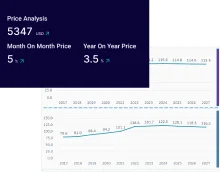
Analyze pricing patterns with comprehensive trend analyses.
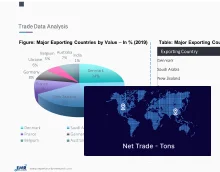
Analyse trade data for supply chain insights.
Leverage cost reports for smart savings
Elevate supply chain with collaboration

Contact Us for Further Information
Our specialized analysts will be available to answer all the pre-purchase and post-purchase queries regarding the report.
Our specialized analysts will be available to answer all the pre-purchase and post-purchase queries regarding the report.
Staying one step ahead of the market landscape with our in-depth research methods, integrating advanced analytics to drive precise and tangible outcomes.
Our expert analyst team offers a significant advantage over competitors, with extensive market insights into the latest trends, putting you strategically ahead.
We deliver a simplified yet extensive report, comprising in-depth industry insights and analytics tailored to your industry requirements.
We are happy to help you navigate through the services we offer and solve your queries.
Contact us