Consumer Insights
Uncover trends and behaviors shaping consumer choices today
Procurement Insights
Optimize your sourcing strategy with key market data
Industry Stats
Stay ahead with the latest trends and market analysis.
The Australia sardine market reached a volume of 66.81 KMT in 2025. The market is expected to grow at a CAGR of 2.10% during the forecast period of 2026-2035 to reach a volume of 82.24 KMT by 2035. The market is experiencing structural acceleration driven by regulatory approvals, biomass reassessments, and increasing alignment with aquaculture feed and premium seafood demand.
The Australia sardine market development is propelled by the synergy between sustainable growth of fisheries due to increased scientific knowledge of stock assessments and regulated catch limits and consumer demand for convenience and value addition in the form of various types of processed food. In terms of supply, increasing emphasis on scientific knowledge regarding stocks is helping enhance security and investments into the market. In terms of demand, the consumer inclination towards healthy and nutritious food is pushing companies to develop more varieties of processed food products that offer high amounts of omega-3s.
Strengthening scientific evidence around sardine abundance is reducing investment risk while encouraging government-led frameworks that support controlled commercial harvesting. At the same time, integration of sardines into diversified protein and feed applications is expanding downstream demand visibility, reinforcing long-term scalability across the Australia sardine market. Policy support and ecosystem-based management approaches are further enabling stakeholders to balance ecological protection with industrial utilization, improving confidence among processors and fishery developers.
Rising interest from processors and export-oriented seafood brands is also driving capacity upgrades and encouraging product diversification across canned and value-added sardine segments. A key development reinforcing this trajectory was observed in February 2026, when Tasmania advanced public consultation on an industrial-scale sardine fishery proposal, highlighting both commercial potential and ecosystem concerns associated with harvesting large volumes of small pelagic fish for food and aquaculture use.
Compound Annual Growth Rate
2.1%
Value in KMT
2026-2035
Read more about this report - REQUEST FREE SAMPLE COPY IN PDF
|
Australia Sardine Market Report Summary |
Description |
Value |
|
Base Year |
KMT |
2025 |
|
Historical Period |
KMT |
2019-2025 |
|
Forecast Period |
KMT |
2026-2035 |
|
Market Size 2025 |
KMT |
66.81 |
|
Market Size 2035 |
KMT |
82.24 |
|
CAGR 2019-2025 |
Percentage |
XX% |
|
CAGR 2026-2035 |
Percentage |
2.10% |
|
CAGR 2026-2035 - Market by Region |
Victoria |
2.3% |
|
CAGR 2026-2035 - Market by Region |
Western Australia |
2.2% |
|
CAGR 2026-2035 - Market by Species |
Sardinella longiceps |
2.7% |
|
CAGR 2026-2035 - Market by Type |
Frozen Sardine |
3.0% |
|
2025 Market Share by Region |
Australian Capital Territory |
2.4% |
April 2026 - Fresh Provisions Enhanced Premium Sardine Retail Visibility
Fresh Provisions provided curated tinned fish options with sardines to improve their visual appearance on the shelves. It is expected to propel the growth of the Australia sardine market since the consumers become interested in buying such products due to stylish packaging.
April 2025 - Tassal Advanced Aquaculture-Linked Sardine Sourcing
The Tassal Group emphasized the role of sardines as a possible input in aquaculture, promoting vertical integration of the seafood value chain. It might assist in the development of the sardine industry in Australia through growing its consumption in the field of aquaculture.
December 2024 - Tasmanian Fisheries Authority Supported Biomass Expansion Outlook
Fisheries indutsry players from Tasmania, along with the associations working in the seafood industry, stated that the biomass of sardines exceeds 200,000 tonnes, which allows for organizing a structured fishing process. This is expected to influence the Australia sardine market growth trajectory in terms of stable commercial development due to higher resource security.
October 2023 - Australian Artisan Seafood Brands Expanded Canned Sardine Offerings
Wild South Seafood (Australia), together with new gourmet processors, started developing artisanal lines of tinned fish, such as sardines. The move might be helpful for the development of the market due to increased premium positioning.
Knowledge Exchange Strengthening Fishery Efficiency Frameworks
Collaboration by the stakeholders in international fisheries in knowledge-sharing activities relating to sustainable fishery operations for sardines is increasing significantly. These activities are contributing to better standardization, environmental management, and optimization of yield. They are, therefore, contributing to improvements in terms of productivity, regulatory compliance, and management of resources across the Australia sardine industry. This can be illustrated by the activity reported in September 2023 whereby fisheries in Australia are collaborating with their United Kingdom counterparts for improved sardine fishery operations.
Retail Sourcing Partnerships Improving Export Competitiveness
The global retail players are now becoming more stringent with their seafood sourcing models by prioritizing traceability, sustainability certification, and procurement of sustainable seafood products. Such developments are making export easier and opening up markets through higher participation in the premium global retail outlets. This trend is helping improve the overall Australia sardine market credibility while promoting production processes. This trend was reflected in the February 2026 sustainable sourcing policy introduced by John Lewis Partnership, reinforcing responsible seafood procurement and closer alignment with supplier sustainability standards.
Nutritional Repositioning Driving Demand Expansion
Sardines are currently viewed as superfoods, with increased focus on omega-3 properties, cost-effective natures, and healthy proteins. This is leading to consumer acceptance in new forms like health-related products and functional food sectors. This is helping make the product less vulnerable and appeal to a broader range of consumers, supporting the Australia sardine market expansion. This trend was further highlighted by Mega Prime Foods Inc. in July 2025, when the company promoted sardines as a global superfood as part of its evolving seafood positioning strategy.
Premium Branding Accelerating Value-added Product Growth
Premium branding initiatives in seafood businesses are now emphasizing the need for aesthetic appeal in packaging, the gourmet status of their product, and artisanal values. These strategies are helping achieve differentiation on shelves and increasing the demand in high-end retailing and food services segments. This increase in consumer interest and positive category image was demonstrated by the participation in the June 2025 Fancy Food Show by 100 Místerios, highlighting premium and design-centric gourmet seafood products such as sardines.
Portfolio Expansion Driving Canned Seafood Diversification
Canned fish retailers are gradually increasing their offerings of different types of sardines with better taste and product diversification approaches to enhance their products' appeal on shelves, strengthen their brands' competitive advantages, and increase occasions for usage. These factors are contributing to innovation trends in the Australia sardine market. One such example is Natural Grocers USA, which expanded into the market in March 2023 by introducing multiple sardine variants under its private-label seafood range.
The Expert Market Research’s report titled “Australia Sardine Market Report and Forecast 2026-2035” offers a detailed analysis of the market based on the following segments:
Market Breakup by Species
Key Insight: The Australia sardine market scope includes Sardina pilchardus, Sardinops caeruleus, Sardinella longiceps, Sardinella aurita, Sardinella gibbosa, and more, with firms now increasingly seeking to source by individual species and obtain certifications that confirm their sustainable practices. Firms like Dinko Seafoods are maximizing their harvest of wild sardines from the Southern Ocean region, while branded manufacturers such as Brunswick Foods (Tempo Australia) are launching new products based on pilchards in canned form. Improved scientific evaluations of stocks are aiding species distribution, enabling equitable harvesting practices.
Market Breakup by Type
Key Insight: The Australia sardine market report analyzes different types such as canned sardines, frozen sardines, and fresh sardines, and the market share of canned sardines remains high owing to their wide distribution. Several companies like Brunswick Foods are increasingly developing canned flavored varieties of sardines, while companies like Dinko Seafoods are increasing frozen as well as individually quick-frozen varieties of sardines to cater to food services and aqua feed sector. Premium retailers like The Canned Company Australia are contributing more to the consumption of gourmet canned sardines.
Market Breakup by Distribution Channel
Key Insight: The Australia sardine market penetration is mainly driven by supermarket and hypermarket channels, convenience store channels, hotel and restaurant channels, online channels, with the omnichannel distribution approach growing rapidly. The retail channels, including Coles and Woolworths, are selling the regular brand of sardines, such as Brunswick; however, specialty channels, including The Canned Company, are driving the import of premium products. Demand from foodservice providers is increasing, while online seafood sellers are improving their direct-to-consumer sales.
Market Breakup by Region
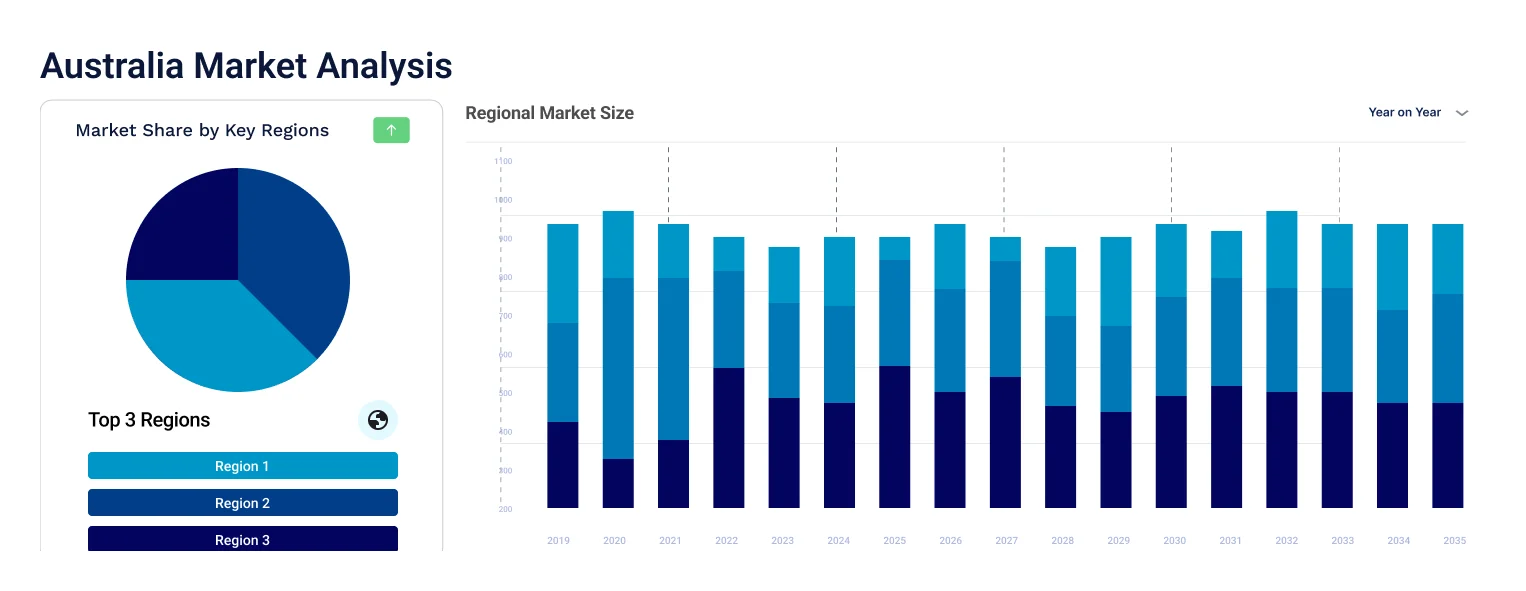
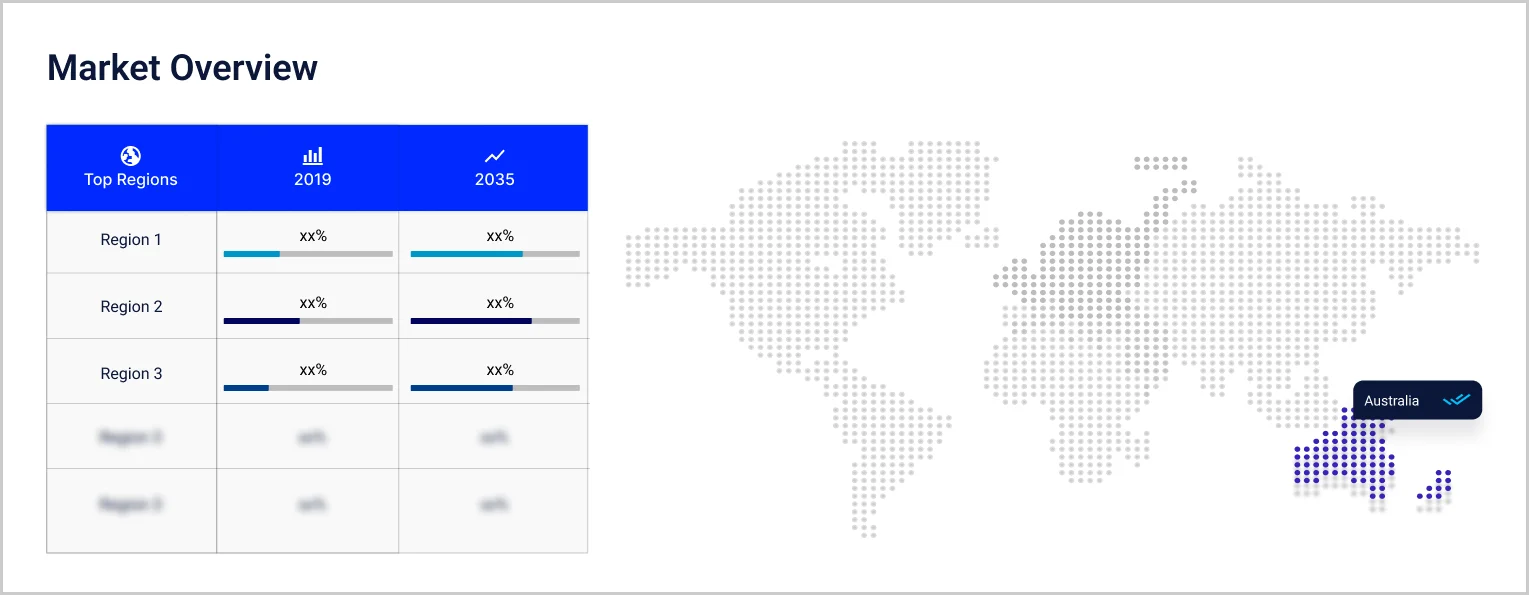
Key Insight: The Australia sardine market landscape covers regions like New South Wales, Victoria, Queensland, Australian Capital Territory, Western Australia, and others with significant involvement from fishery and processing sectors in the region. Dinko Seafoods dominates the area in the Spencer Gulf and south coast waters of Western Australia, while companies like the Tassal Group in Tasmania are contributing to the seafood supply ecosystems. Fish processing and retailing is being done largely in New South Wales and Victoria, with help from key supermarkets in the country.
Read more about this report - REQUEST FREE SAMPLE COPY IN PDF
By species, Sardina Pilchardus records notable demand driven by expansion through premium import-led positioning
Demand within the Sardina Pilchardus category is rising owing to the fact that more organizations are adopting premium importing practices and making it easier to acquire sardines sourced from the Mediterranean region. Efforts are being made by importers and distributors to establish supply channels, which guarantee the procurement of quality stock. In addition, there has been a growing emphasis on positioning premium variants on shelves, particularly those packaged in olive oil to enhance quality perception and value appeal. The current trend is promoting the diversification of fish species.
However, the Sardinella longiceps category continues to grow consistently owing to its value efficiency, widespread availability, and appropriateness for mass canning. The companies are adopting ways that will enable them to ensure standardization in the production process, preservation through the use of oils, and proper packaging of the product. In addition, the companies are improving their production processes so as to be able to meet the needs of both retail and foodservice industries.
By type, canned sardines witness steady demand driven by premiumization and packaging innovation
The canned sardine category is gradually growing owing to the efforts being made by international seafood manufacturers toward greater diversification and innovations aimed at fulfilling changing consumer demands. Companies are increasingly focusing on developing multi-protein variants of canned fish, positioning them as convenient, ready-to-eat snacks. Alongside advancements in packaging formats and flavor innovation, these enhancements elevate the product’s value proposition, enabling it to be marketed as a premium option within the prepackaged protein foods segment. For example, The Bumble Bee Seafoods Company introduced new flavors of canned sardine food products and snacks in October 2024.
Growing demand for frozen sardines from the FBOs and industry users because of consistency in quality as well as long storage time is leading to the rise in popularity of the frozen sardine market in Australia. Companies are working towards establishing a good cold chain network and using IQF technology to ensure fresh products. This will enhance logistics and also help in adopting the segment across various applications such as the hospitality sector, exports, and aquaculture feed.
By distribution channel, supermarkets and hypermarkets amass considerable product sales driven by retail shelf expansion and premium seafood positioning
The supermarkets/hypermarkets segment is continuously driving growth in the Australia sardine market revenue because retailers are allocating shelf space in favor of higher value and healthy canned seafood. The key efforts of businesses include increasing the visibility of their branded products through display placements, expanding the range of private labels, and creating dedicated seafood zones to attract convenience-minded consumers. With the rise in consumer interest in packaged seafood and convenient protein sources, collaboration between retailers and their suppliers becomes even more important, leading to increased loyalty among shoppers in the mainstream retail environment. One such significant development is the participation of Mega Sardines at Natural Products Expo West in October 2024, highlighting growing industry momentum around premium canned seafood innovations.
The digital platform is becoming increasingly relevant because of the increasing emphasis placed on direct consumer interaction by specialty seafood businesses through product launches, premium packaging options, and collaborations via digital platforms. Brands are concentrating on artisanal packaging, restocking in small quantities, and eye-catching packaging designs to generate consumer interaction. There have been significant advances in subscription-based channels, which can be seen through the improved accessibility to premium canned seafood and repeated orders through niche grocery platforms. The development can positively impact the digital expansion of the Australia sardine market. In April 2026, Mind Fish Co. relaunched its sardines in EVOO, featuring redesigned hand-illustrated packaging, restocked by Misfits Market and Imperfect Foods.
|
CAGR 2026-2035 - Market by |
Region |
|
Victoria |
2.3% |
|
Western Australia |
2.2% |
|
New South Wales |
XX% |
|
Queensland |
XX% |
|
Australian Capital Territory |
XX% |
|
Others |
XX% |
By region, Western Australia leads the market growth owing to the strengthening upstream fishery development
The Western Australia sardine market is emerging as a crucial center for production because of the high level of fishery activities and close proximity to the marine zones that are rich in sardines. Firms are investing in developing equipment and systems related to harvesting, sustainability, and stock assessment to ensure that the production is done in a controlled way. This ensures proper management of resources as well as provides a continuous supply of the raw material.
New South Wales is experiencing robust growth as a result of a cluster of seafood processing centers and an increased demand for seafood from urban consumers. There have been investments in cold chain technology, efficient distribution, and supply chain integration to satisfy the growing demands for retailing and food service applications. The development of retail operations and logistics systems is also contributing to better product availability in urban centers.
The major Australia sardine market players are placing emphasis on ensuring a secure supply chain in the early stages by practicing sustainable fishing, carrying out biomass assessments, and adopting strict environmental laws. These approaches are stabilizing the sources of raw materials and minimizing the dangers linked to overfishing. Collaboration among sardine producers, research institutions, and regulatory bodies has facilitated the establishment of catch quotas and the development of sustainable fisheries management strategies, supporting long-term resource conservation and industry stability.
On the downstream side, stakeholders are actively working on increasing their value addition through developing packaged, high-end, and ready-to-eat sardines, which are designed according to emerging customer needs. By investing in innovative packaging technologies, cold chains, and diversification, sardine companies in Australia are improving the attractiveness of their products while also extending their geographical footprint.
South Australian Sardine Industry Association Inc.
The South Australian Sardine Industry Association Inc. was established in the year 1991 in Australia to cater to the needs of the regional sardine fishing industry. This firm is headquartered in South Australia and operates within a framework of sustainable fisheries management, aligning its activities with regulatory standards and long-term resource conservation goals.
Safcol
Safcol is an Australian company known for being a well-established producer of seafood products. It operates under the banner of producing canned fish and is headquartered in Adelaide, South Australia and was established in 1945.
Little Tin Co.
Little Tin Co. is another seafood brand based in Australia, established in 2020. The company mainly offers premium products, including artisanal canned fish products. Based out of Victoria, Australia, it caters to its clients with a unique combination of design-led packaging.
Seafood Industry Australia (SIA)
Seafood Industry Australia (SIA) was established in 2017, and it was formed to act as the peak national organization for the Australian seafood industry. Based in Canberra, Australia, it acts as a peak national body for the Australian seafood industry.
Other key players in the market include Brunswick Foods, Port Lincoln Sardine, and The Canned Company, among others.
Explore the latest trends shaping the Australia sardine market 2026-2035 with our in-depth report. Gain strategic insights, future forecasts, and key market developments that can help you stay competitive. Download a free sample report or contact our team for customized consultation on Australia sardine market trends 2026.


Upto 15% Off
AUD
$2749 $2499
$3849 $3499
$4949 $4499
$6049 $5499


*While we strive to always give you current and accurate information, the numbers depicted on the website are indicative and may differ from the actual numbers in the main report. At Expert Market Research, we aim to bring you the latest insights and trends in the market. Using our analyses and forecasts, stakeholders can understand the market dynamics, navigate challenges, and capitalize on opportunities to make data-driven strategic decisions.*
In 2025, the Australia sardine market reached an approximate volume of 66.81 KMT.
The market is projected to grow at a CAGR of 2.10% between 2026 and 2035.
The key players in the market include South Australian Sardine Industry Association Inc., Safcol, Little Tin Co., Seafood Industry Australia (SIA), Brunswick Foods, Port Lincoln Sardine, and The Canned Company, among others.
Key strategies driving the market include sustainable fishing practices, product diversification into canned and value-added formats, expansion of cold-chain and processing infrastructure, and strengthening retail and export partnerships.
Major challenges that the Australia sardine market players face include fluctuating fish stock availability, strict environmental regulations, supply chain and cold storage limitations, and competition from alternative protein sources.
Explore our key highlights of the report and gain a concise overview of key findings, trends, and actionable insights that will empower your strategic decisions.
| REPORT FEATURES | DETAILS |
| Base Year | 2025 |
| Historical Period | 2019-2025 |
| Forecast Period | 2026-2035 |
| Scope of the Report |
Historical and Forecast Trends, Industry Drivers and Constraints, Historical and Forecast Market Analysis by Segment:
|
| Breakup by Species |
|
| Breakup by Type |
|
| Breakup by Distribution Channel |
|
| Breakup by Region |
|
| Market Dynamics |
|
| Competitive Landscape |
|
| Companies Covered |
|
Datasheet
AUD 2,749
AUD 2,499
tax inclusive*
Single User License
AUD 3,849
AUD 3,499
tax inclusive*
Five User License
AUD 4,949
AUD 4,499
tax inclusive*
Corporate License
AUD 6,049
AUD 5,499
tax inclusive*
*Please note that the prices mentioned below are starting prices for each bundle type. Kindly contact our team for further details.*
Flash Bundle
Small Business Bundle
Growth Bundle
Enterprise Bundle
*Please note that the prices mentioned below are starting prices for each bundle type. Kindly contact our team for further details.*
Flash Bundle
Number of Reports: 3
20%
tax inclusive*
Small Business Bundle
Number of Reports: 5
25%
tax inclusive*
Growth Bundle
Number of Reports: 8
30%
tax inclusive*
Enterprise Bundle
Number of Reports: 10
35%
tax inclusive*
How To Order

Select License Type
Choose the right license for your needs and access rights.

Click on ‘Buy Now’
Add the report to your cart with one click and proceed to register.

Select Mode of Payment
Choose a payment option for a secure checkout. You will be redirected accordingly.
Strategic Solutions for Informed Decision-Making
Stay upgraded and grab opportunities by strategic insights
Stay informed and aware for a Market Leverage
Analyze pricing patterns with comprehensive trend analyses.
Analyse trade data for supply chain insights.

Leverage cost reports for smart savings
Elevate supply chain with collaboration
Contact Us for Further Information
Our specialized analysts will be available to answer all the pre-purchase and post-purchase queries regarding the report.
Our specialized analysts will be available to answer all the pre-purchase and post-purchase queries regarding the report.
Staying one step ahead of the market landscape with our in-depth research methods, integrating advanced analytics to drive precise and tangible outcomes.
Our expert analyst team offers a significant advantage over competitors, with extensive market insights into the latest trends, putting you strategically ahead.
We deliver a simplified yet extensive report, comprising in-depth industry insights and analytics tailored to your industry requirements.
We are happy to help you navigate through the services we offer and solve your queries.
Contact us