Consumer Insights
Uncover trends and behaviors shaping consumer choices today
Procurement Insights
Optimize your sourcing strategy with key market data
Industry Stats
Stay ahead with the latest trends and market analysis.
Major companies in the Australia non-GMO food market are increasingly focused on securing long-term retail agreements. These agreements allow them to ensure nationwide shelf space, have consistent volumes, and gain consumer trust through non-GMO certifications. In April 2024, Good Earth Oils, a subsidiary of Australian Oilseeds, signed supply contracts with Woolworths and Costco Australia for its non-GMO, cold-pressed extra virgin canola oils. These moves not only helped Good Earth Oils to extend its retail footprint significantly across high-traffic outlets but also served as a strong validation of demand for non-GMO edible oils. Additionally, in February 2025, the Australian Oilseeds company decided to distribute the GEO non-GMO oil range to more than 1,000 Woolworths stores nationwide. This expansion allowed the company to communicate scale-supply reliability and repeat consumer exposure. These developments in the Australia non-GMO food market landscape reflect retailer-led expansion in accelerating category normalization and driving sustained market growth.
Compound Annual Growth Rate
7.8%
Value in AUD million
2026-2035
|
Australia Non-GMO Food Market Report Summary |
Description |
Value |
|
Base Year |
AUD million |
2025 |
|
Historical Period |
AUD million |
2019-2025 |
|
Forecast Period |
AUD million |
2026-2035 |
|
Market Size 2025 |
AUD million |
983.71 |
|
Market Size 2035 |
AUD million |
2084.75 |
|
CAGR 2019-2025 |
Percentage |
XX% |
|
CAGR 2026-2035 |
Percentage |
7.80% |
|
CAGR 2026-2035 - Market by Region |
Australian Capital Territory |
8.7% |
|
CAGR 2026-2035 - Market by Region |
Western Australia |
8.3% |
|
CAGR 2026-2035 - Market by Product |
Meat & Poultry Products |
8.8% |
|
CAGR 2026-2035 - Market by Distribution Channel |
Online |
14.8% |
|
2025 Market Share by Region |
Victoria |
25.8% |
June 2025—FSANZ Approved Cultivated Quail Meat in Australia
Vow, a company from Sydney, acquired the regulatory green light to market its cultured Japanese quail products in Australia and New Zealand. As a clean-label, non-GMO protein alternative, the approval acts as a catalyst for innovation within the alternative meat sector. It opens a novel set of non-GMO offerings to retailers and foodservice operators, thereby stimulating non-GMO food market growth.
February 2025—Wide Open Agriculture’s Lupin Protein Isolate Approved for Export to China
Wide Open Agriculture was authorized to export its high-protein lupin protein isolate to China. This enables the integration of the isolate into plant-based milk, yogurts, and tofu. The non-GMO ingredient not only solidifies international trade but also revitalizes domestic demand for lupin-based products. The transition is a win for Australian non-GMO producers as it opens new opportunities in the Australia non-GMO food market while elevating the global awareness and adoption of clean-label plant proteins.
January 2025—GrainCorp Partnered with CSIRO and V2food on Plant Protein Research
GrainCorp joined forces with CSIRO and v2food in an AUD 4.4 million collaboration to create high-value plant protein ingredients from grains and oilseeds. This partnership, aimed at domestic processing of non-GMO ingredients, is a catalyst for innovation and supply chain strengthening. It places Australia at the forefront of research in plant-based protein, thus facilitating a wider use of non-GMO proteins in retail and foodservice sectors.
June 2023—Shandi Global to debut plant-based shawarma in Australian retail
Singapore’s Shandi Global announced the launch of its Forever plant-based shawarma to Australian retail and online consumers. These ready-to-eat, non-GMO protein products not only expand consumer access to plant-based meals but also diversify the clean-label offerings. The introduction of international plant-based concepts invigorates the market variety, encourages repeat consumption, and supports the growth of Australia's non-GMO food market.
Local Manufacturing Partnerships for Plant-Based Alternatives
Partnering with local manufacturers is an effective way to introduce non-GMO, plant-based products to the market while also cutting down on import dependency. Vgarden, in its initiative, teamed up with Australian company Cale & Daughters in September 2022 to form Vgarden Australia Pty Ltd., which is setting up a facility in Brisbane to produce non-GMO, plant-based cheeses, spreads, and meat substitutes. Besides guaranteeing local production, this partnership also consolidates supply chains and makes it possible to enter the market at a much faster pace. Thus, it demonstrates how local collaborations are playing a crucial role in not only speeding up the availability but also the adoption of non-GMO and plant-based foods all over Australia.
International Distribution Partnerships Driving Export Growth
By entering foreign markets, producers in the Australia non-GMO food market landscape can diversify their revenue streams while catering to the increasing global demand for clean-label foods. For instance, in July 2025, Australian Oilseeds collaborated with SMART MARKETING CO. LTD to distribute its GEO brand non-GMO canola and olive oils in Vietnam. They utilized local expertise to effectively reach retail and foodservice channels. This partnership not only enhances the brand's presence abroad but also facilitates export-led growth in the non-GMO sector. It is a clear demonstration of how strategic alliances pave the way for market expansion.
Increased Production and Manufacturing Scale
Expanding manufacturing capacity is the most efficient way for non-GMO producers to meet the demand that is growing both domestically and internationally. Following its Nasdaq listing in March 2024, Australian Oilseeds broadened its cold-pressing operations and initiated the construction of a larger multi-seed crushing plant in Queensland for increased non-GMO oil output. These enhancements ensure supply stability, make bulk retail and export distribution possible, and contribute to the overall Australia non-GMO food market growth, which reflects the decisive role operational scale plays in sustaining competitiveness and meeting the rising consumer preference for clean-label, non-GMO foods.
Expansion of non-GMO functional and beauty-from-within food products
The Australia non-GMO food market is witnessing notable growth, a lot from the fusion of plant-based nutrition and beauty-from-within trends, as companies are moving non-GMO positioning far beyond just core foods into functional wellness formats. In March 2024, Hemp Foods Australia introduced its vegan, plant-based Collagen+ supplement that specifically targets hair, skin, and nail health. Thus, it is the first non-animal collagen alternative that fills an industry gap. This evolution exemplifies the way product innovation in non-GMO plant-derived functional foods is becoming more attractive to the wider consumer base, thus increasing the number of usage occasions and contributing to premiumization and value growth across the whole market.
Climate-resilient non-GMO ingredient innovation strengthens supply chain stability.
The Australia non-GMO food market trends are being increasingly shaped by the demand for climate-resilient, stable-supply non-GMO ingredients. Conventional plant-based preservatives are subject to price as they depend on crops that are exposed to climate risks. In July 2025, Metaphor Foods and Novella joined forces to bring to market plant cell-based, non-GMO preservatives that deliver consistent quality, less resource use, and a more reliable supply, thus making it possible to scale the market sustainably over time.
The EMR’s report titled “Australia Non-GMO Food Market Report and Forecast 2026-2035” offers a detailed analysis of the market based on the following segments:
Market Breakup by Product
Key Insights: The Australia non-GMO food market scope comprises products such as cereals & nuts, fruits & vegetables, meat & poultry products, beverages, dairy products, and processed food, among other products. The cereals and nuts category is picking up momentum, attributed to the ongoing efforts by market players. For instance, Freedom Foods Group broadened its non-GMO breakfast lines. The Costa Group, on the other hand, focuses on pure and natural label products in the fruits & vegetables area to meet the local demand. The meat & poultry products also show notable growth as V2food, a plant-based protein company, continues to work on GMO-free protein sources. In the beverages category, Pureharvest Organic launched non-GMO juice lines, while Murray Goulburn Co-operative is shifting towards developing non-GMO dairy products. Processed food brands such as Macro Wholefoods Market are focused on broadening their snack and pantry options. Meanwhile, other categories include specialty non-GMO condiments and grains.
Market Breakup by Distribution Channel
Key Insights: Hypermarkets/supermarkets contribute significantly to the Australia non-GMO food market revenue, as popular supermarkets like Woolworths and Coles are increasing shelf space for non-GMO brands such as Australian Oilseeds Good Earth Oils. Specialty stores such as About Life are focusing on artisan, non-GMO, and organic foods. In the online category, The Green Pantry and Organic Market Online are the two major players providing direct-to-consumer access for non-GMO products across the country. Other channels like farmers markets and local co-ops are providing the platform for emerging non-GMO producers, thus enabling consumer trials and regional brand growth.
Market Breakup by Region
Key Insights: Regionally, states like New South Wales and Victoria maintain strong retail ecosystems in the Australia non-GMO food market dynamics, with national brands such as Macro Wholefoods Market and Freedom Foods Group securing distribution. In Queensland, companies like V2food and Pureharvest Organic collaborate with local retailers to grow plant-based and beverage offerings. The Australian Capital Territory is served by health-oriented specialty stores that promote local non-GMO products, while Western Australia receives engagement from producers like Costa Group. Other regions are increasingly being served through online platforms and regional distributor networks.
By-product, meat & poultry leads demand in the market
The meat & poultry products category is increasingly supported by innovative alternative protein developments that enhance nutritional profiles without genetic modification. Kinoko Tech and Metaphor Foods have been working together to meet the demand for fungus-based proteins in the local market with the announcement of a strategic commercial agreement in October 2024. In Australia, they will produce thousands of tons of sustainable, fungi-based, protein-rich products, including meat alternatives and high-fiber snack formats. Besides extending the range of non-GMO proteins, this partnership is a perfect example of how cross-border collaborations can accelerate the product pipeline to cope with consumer demand.
Meanwhile, non-GMO functional beverages are picking up momentum in the Australia non-GMO food market by attracting consumers as they look for healthier drink options with added benefits. In August 2025, PepsiCo Australia strengthened its functional beverage portfolio with the introduction of a prebiotic cola that supports digestion while maintaining a clean label. The launch of this product demonstrates how big beverage companies are rethinking their portfolios to include wellness-oriented buyers' preferences for non-GMO and functional ingredients.
By distribution, hypermarkets/supermarkets record notable product sales.
Supermarkets account for a substantial share of the Australia non-GMO food market, catering to the increasing adoption of non-GMO products by supporting local suppliers in their growth and development efforts. In November 2025, the Coles Nurture Fund invested more than AUD 40 million into a range of sustainability and innovation initiatives, including the awarding of grants to producers who are implementing natural and low-input approaches to growing food. Such efforts are a major part of the suppliers meeting their growth in the number of non-GMO products and placing them prominently in hypermarkets.
Specialty food retail outlets are essential for launching niche-based non-GMO innovation, which can eventually be scaled up for mainstreaming. For instance, in October 2024, after their tie-up, Kinoko Tech’s fungus-based foods are being developed for distribution through specialty retail outlets that specialize in natural and sustainable foods in Australia. This tie-up will allow innovative protein-dense segments such as muesli and nut bars to penetrate segments that are health-oriented.
|
CAGR 2026-2035 - Market by |
Region |
|
Australian Capital Territory |
8.7% |
|
Western Australia |
8.3% |
|
New South Wales |
XX% |
|
Victoria |
XX% |
|
Queensland |
XX% |
|
Others |
XX% |
By region, Victoria leads the market growth
The infrastructure for food innovation in Victoria is driving the Australia non-GMO food market growth and commercialization of regional non-GMO products. In December 2025, a Plant Protein Hub and smart glasshouse were opened at Agriculture Victoria's Horsham SmartFarm to work toward developing the crop protein varieties and plant-based food research. It further enables local producers to develop ingredients for non-GMO foods and consolidates Victoria's position as a centre for food technology, developing innovations with potential scale-up to national and export markets.
Fully automated farming technologies are improving year-round supply and strengthening regional food systems in Western Australia. In January 2025, Stacked Farm announced a USD 150 million expansion to build a fully automated vertical farm in Melbourne, enabling large-scale production of leafy greens and herbs that supply restaurant and retail channels. This investment underlines how regionally anchored controlled environment agriculture supports consistent quality and reduced environmental impact while broadening the availability of fresh non-GMO produce.
Considering growing demands from consumers for clean-label and healthy foods, the leading Australia non-GMO food market players have taken it upon themselves to expand their product lines and distribution channels. To reach wider markets and develop brand recognition, the sector has seen new product lines such as oils, substitutes, and convenient foods roll out while retail partnerships have been developed. There has been an improvement in supply chain efficiency through these efforts that ensure constant supply within domestic and international markets.
Non-GMO food companies are indulging in technological development, production scale, and regulatory compliance to sustain advantage in the Australia non-GMO food market landscape. The involvement of companies in accessing burgeoning markets, thereby meeting quality and sustainability criteria in tandem, seems to be an achievable reality in this industry. The industry's effort in meeting evolving consumer demands and sustaining development in the non-GMO food industry seems to manifest in innovation development, product diversification, and geographic developments.
Cargill Inc.
Cargill Inc., established in 1865, with its main office in Minneapolis, Minnesota, USA, is a major worldwide supplier of food, agricultural, and industrial products. It deals in a variety of products, such as oil, grains, and plant-based ingredients, catering to various customers like households as well as industries.
Amy's Kitchen
Established in 1987, Amy’s Kitchen, based in Petaluma, California, USA, is well-known worldwide for its organic, non-GMO convenience foods. It is a company that mainly deals with the production, manufacturing, and distribution of frozen foods, soups, and snacks for the health-oriented as well as vegetarians.
Danone S.A.
Danone S.A., established in the year 1919 and headquartered in Paris, France, holds a leading global position in dairy, plant-based, and nutrition solutions. The organization targets the delivery of healthy and sustainable consumer offerings across more than 120 countries.
United Natural Foods
Established in 1976 in Providence, in the United States of America, United Natural Foods Inc. is a major food distributor of natural, organic, and specialty food products in North America. The firm provides an extensive product line that includes non-GMO and health-oriented food products.
Other players include Hormel Food Corporation, Hain Celestial, Organic Valley, The Kellogg Company, PepsiCo Inc., and other notable market participants.
Explore the latest trends shaping the Australia Non-GMO Food Market 2026-2035 with our in-depth report. Gain strategic insights, future forecasts, and key market developments that can help you stay competitive. Download a free sample report or contact our team for customized consultation on Australia non-GMO food market trends 2026.


Upto 15% Off
AUD
$2749 $2499
$3849 $3499
$4949 $4499
$6049 $5499


*While we strive to always give you current and accurate information, the numbers depicted on the website are indicative and may differ from the actual numbers in the main report. At Expert Market Research, we aim to bring you the latest insights and trends in the market. Using our analyses and forecasts, stakeholders can understand the market dynamics, navigate challenges, and capitalize on opportunities to make data-driven strategic decisions.*
In 2025, the Australia non-GMO food market reached an approximate value of AUD 983.71 million.
The market is projected to grow at a CAGR of 7.80% between 2026 and 2035.
The key players in the market include Cargill Inc., Amy’s Kitchen, Danone S.A., United Natural Foods, Hormel Food Corporation, Hain Celestial, Organic Valley, The Kellogg Company, PepsiCo Inc., and other notable market participants.
Key strategies driving the market include include expanding retail distribution, forming strategic partnerships and joint ventures, launching innovative non-GMO and plant-based products, scaling production capacity, and pursuing export-led growth to meet rising domestic and international demand.
The major challenges that the Australia non-GMO food market faces include high production costs, limited consumer awareness, competition from conventional and GMO alternatives, regulatory complexities, and supply chain constraints affecting consistent product availability.
Explore our key highlights of the report and gain a concise overview of key findings, trends, and actionable insights that will empower your strategic decisions.
| REPORT FEATURES | DETAILS |
| Base Year | 2025 |
| Historical Period | 2019-2025 |
| Forecast Period | 2026-2035 |
| Scope of the Report |
Historical and Forecast Trends, Industry Drivers and Constraints, Historical and Forecast Market Analysis by Segment:
|
| Breakup by Product |
|
| Breakup by Distribution Channel |
|
| Breakup by Region |
|
| Market Dynamics |
|
| Competitive Landscape |
|
| Companies Covered |
|
Datasheet
AUD 2,749
AUD 2,499
tax inclusive*
Single User License
AUD 3,849
AUD 3,499
tax inclusive*
Five User License
AUD 4,949
AUD 4,499
tax inclusive*
Corporate License
AUD 6,049
AUD 5,499
tax inclusive*
*Please note that the prices mentioned below are starting prices for each bundle type. Kindly contact our team for further details.*
Flash Bundle
Small Business Bundle
Growth Bundle
Enterprise Bundle
*Please note that the prices mentioned below are starting prices for each bundle type. Kindly contact our team for further details.*
Flash Bundle
Number of Reports: 3
20%
tax inclusive*
Small Business Bundle
Number of Reports: 5
25%
tax inclusive*
Growth Bundle
Number of Reports: 8
30%
tax inclusive*
Enterprise Bundle
Number of Reports: 10
35%
tax inclusive*
How To Order

Select License Type
Choose the right license for your needs and access rights.

Click on ‘Buy Now’
Add the report to your cart with one click and proceed to register.

Select Mode of Payment
Choose a payment option for a secure checkout. You will be redirected accordingly.
Strategic Solutions for Informed Decision-Making
Stay upgraded and grab opportunities by strategic insights
Stay informed and aware for a Market Leverage
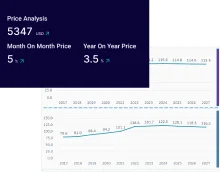
Analyze pricing patterns with comprehensive trend analyses.
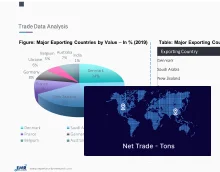
Analyse trade data for supply chain insights.
Leverage cost reports for smart savings
Elevate supply chain with collaboration
Contact Us for Further Information
Our specialized analysts will be available to answer all the pre-purchase and post-purchase queries regarding the report.
Our specialized analysts will be available to answer all the pre-purchase and post-purchase queries regarding the report.
Staying one step ahead of the market landscape with our in-depth research methods, integrating advanced analytics to drive precise and tangible outcomes.
Our expert analyst team offers a significant advantage over competitors, with extensive market insights into the latest trends, putting you strategically ahead.
We deliver a simplified yet extensive report, comprising in-depth industry insights and analytics tailored to your industry requirements.
We are happy to help you navigate through the services we offer and solve your queries.
Contact us