Consumer Insights
Uncover trends and behaviors shaping consumer choices today
Procurement Insights
Optimize your sourcing strategy with key market data
Industry Stats
Stay ahead with the latest trends and market analysis.
The growing maritime security pressures and long-term sovereign capability-building efforts are the main factors that are driving the Australia naval vessels market. Increasing strategic competition and surveillance needs within the vast maritime domain of Australia are eclipsing the need to develop higher levels of naval capability in the form of multi-role surface vessels with greater endurance and interoperability. Simultaneously, the domestic production capacity is being bolstered by state-initiated investment in domestic shipbuilding infrastructure and procurement structures with a long-term perspective. These efforts are driving technology, workforce, and supply chain localization, creating a rapid delivery cycle and enhancing lifecycle sustainment, which is solidifying long-term growth and modernization of the naval fleet ecosystem.
An increase in geopolitical risks in the Indo-Pacific is driving Australia to hasten its shift to nuclear-powered submarine capability, with a strong focus on high-level naval vessel architecture, integration, and maintenance ecosystems. The change is also catalyzing profound cooperation between Australia, the United Kingdom, and the United States, enhancing technology flow, labor force, and capability to manufacture sovereign defense. Consequently, the Australia naval vessels market is shifting away from a platform-based procurement model towards a continuous build-and-sustain model that is based on strategic deterrence requirements. In March 2023, AUKUS partners advanced the SSN-AUKUS program, confirming joint development of next-generation nuclear submarines and a supporting industrial base within Australia’s defense shipbuilding ecosystem.
Compound Annual Growth Rate
2.7%
Value in AUD million
2026-2035
|
Australia Naval Vessels Market Report Summary |
Description |
Value |
|
Base Year |
AUD million |
2025 |
|
Historical Period |
AUD million |
2019-2025 |
|
Forecast Period |
AUD million |
2026-2035 |
|
Market Size 2025 |
AUD million |
1033.98 |
|
Market Size 2035 |
AUD million |
1349.64 |
|
CAGR 2019-2025 |
Percentage |
XX% |
|
CAGR 2026-2035 |
Percentage |
2.70% |
|
CAGR 2026-2035 - Market by Region |
New South Wales |
3.1% |
|
CAGR 2026-2035 - Market by Region |
Victoria |
2.9% |
|
CAGR 2026-2035 - Market by Vessel Type |
Submarines |
3.2% |
|
2025 Market Share by Region |
New South Wales |
27.9% |
March 2026- Bluebottle USV Debuted in Royal Australian Navy Fleet Review
The Bluebottle uncrewed surface vessel participated in the Royal Australian Navy Fleet Review during Exercise Kakadu, marking its first inclusion alongside crewed ships and reflecting rising adoption of autonomous maritime systems. This development supports gradual modernization and strengthens long-term demand for advanced naval capabilities across fleet operations.
March 2026- Australian Government Invested USD 176 Million in Bluebottle Uncrewed Naval Fleet Expansion
The Australian Government invested USD 176 million to increase its fleet of Bluebottle uncrewed surface vessels to enhance maritime surveillance and intelligence in large sea areas. The program improved independent seafarer operations and industrialization by local manufacturing capabilities and developing supply chains in the Australia naval vessels market.
March 2026- Eptec Defence was Acquired to Strengthen Australia’s Naval Vessel Sustainment Capabilities
Arlington Capital Partners acquired Eptec Defence, enhancing naval vessel preservation and maintenance capacity in Australia, while improving fleet readiness through extended service life and optimized repair cycles. The transaction facilitated the increase in operational demand and helped in the long-term growth of the Australia naval vessels market.
February 2026- Landing Craft Heavy Contract Awarded in Australia
Australia granted a USD 4 billion Landing Craft Heavy contract for eight ships to enhance littoral mobility and maritime logistics. This implementation of a contract in Western Australia is expected to enable the country to increase its sovereign shipbuilding capability and further develop the defense market.
Strategic Shipyard Infrastructure Expansion Accelerating Naval Manufacturing Capabilities
As nuclear submarine and surface combatant construction possibilities are augmented with extensive shipyard development schemes, infrastructure development is fueling the Australia naval vessels market growth.Modernization of dockyards, workforce expansion, and the development of nuclear sustainment facilities are enabling Australia’s transition toward continuous naval shipbuilding. This growth is also enhancing resiliency in supply chains and the long-term replacement cycle of fleets. In February 2026, Australia pledged further investment to speed up the construction of the Osborne submarine shipyard in South Australia, further cementing its position as the core of future SSN-AUKUS submarine manufacturing.
Integrated Defense Precincts Enhancing Lifecycle Management and Sovereign Capability
The unification of naval shipbuilding and naval asset sustainment activities into specific industrial precincts is expanding opportunities in the Australia naval vessels market with regard to enhancing the effectiveness and lifecycle management of the naval assets. The model is integrated to favor the continuous manufacture of surface ships, submarines, and supporting vessels and enhance sovereign manufacturing capacity. It is also strengthening integration between maintenance, upgrade, and new vessel construction programs. The Australian government, in October 2024, announced it was developing the Henderson Defense Precinct in Western Australia to centralize navy shipbuilding and maintenance under a long-term, continuous build strategy.
Fleet Modernization Programs Advancing Multi-Role Combat Capabilities
The Australia naval vessels market is also being driven by fleet modernization due to the replacement of old surface combatants with new high-tech multi-role frigates with added air defense, anti-submarine warfare, and network-centric capabilities. This move is enhancing sea deterrence and interoperability with partner naval forces. It is also opening opportunities for technology transfer and local industrial involvement in state-of-the-art shipbuilding projects. In August 2025, Australia chose to use the upgraded Mitsubishi Heavy Industries Mogami-class frigates in its SEA 3000 program to replace the ANZAC-class fleet.
Long-term naval construction programs sustaining industrial demand and innovation
Ongoing naval building initiatives are stabilizing the demand in the Australia naval vessels market, especially with the long-term surface combatants acquisition plans. These schemes are not only increasing shipbuilding capacity at home but are also providing a balance in the workload allocation in defense industrial bases. They also favor the development of high-level systems integration, the adoption of digital ship design, and the involvement of local suppliers. In June 2024, the Australian Government advanced the Hunter-class frigate program by giving approval to the construction of the first three vessels as part of its revised agreement with BAE Systems Australia.
Submarine Sustainment and Upgrade Programs Bridging Capability Gaps
The Australia naval vessels market depends on submarine sustainment and mid-life upgrade programs as the key factors which help bridge capability gaps until next-generation AUKUS submarines enter service. The programs provide operational readiness, increase platform life, and improve underwater warfare with upgrades of systems and maintenance improvements. They also sustain demand for a skilled workforce across naval dockyards and the broader defense supplier ecosystem. In June 2024, Australia passed the Collins-class Life-of-Type Extension program, which guarantees the ongoing operation and deployment of its submarine fleet till the 2030s while future capabilities are being advanced.
The EMR’s report titled “Australia Naval Vessels Market Report and Forecast 2026-2035” offers a detailed analysis of the market based on the following segments:
Market Breakup by Vessel Type
Key Insight: The Australia naval vessels market scope comprises destroyers, frigates, submarines, corvettes, aircraft carriers, and other vessels, and is experiencing high growth, which is a result of fleet renewal, sovereign ability, and highly integrated combat systems. Surface warfare capabilities are strengthening through programs such as Hunter-class frigate by BAE Systems and ongoing destroyer upgrades, while underwater capabilities are evolving with AUKUS-linked submarine development. ISR activities are being enhanced by the use of naval aircraft and unmanned systems such as the Integrator UAS. Modular shipbuilding, digital shipyards, and automation are areas of interest to companies like Lockheed Martin, Naval Group, and Austal, which contribute to long-term naval modernization.
Market Breakup by Region
Key Insight: Distributed defense industrial development and shipbuilding investments are expanding the Australia naval vessels market landscape across New South Wales, Queensland, Victoria, and the Australian Capital Territory, and in Western Australia and other regions. Western Australia and South Australia continue to be major centers for the construction of submarines and frigates, and New South Wales is emerging to be a major hub for advanced naval research and development, systems integration, and defense activities. Victoria provides precision engineering and component manufacturing, and Queensland enhances the maritime logistics and support infrastructure. Companies like Austal, BAE Systems, and ASC Pty Ltd are building facilities, strengthening the defense ecosystems and long-term delivery of the naval programs across the region.
By vessel type, submarines show robust growth owing to the AUKUS-driven infrastructure investment, strengthening production capability
Submarine are experiencing high demand in the Australia naval vessels market due to the increasing defense spending and long-term fleet modernization under the AUKUS framework. The development of nuclear-powered submarines is enhancing domestic shipbuilding infrastructure, technology, and sovereign defense preparedness. Governments are also focusing on expanding their workforce and more sophisticated manufacturing systems to help in complex submarine construction needs and to maintain the program's sustainability across decades. For example, to support nuclear-powered submarine delivery speed and enhance long-term strategic naval capability, the Australian Federal Government, with the assistance of the South Australian Government, invested AUD 3.9 billion in a special submarine construction facility in February 2026.
The robust momentum in the destroyers segment of the Australia naval vessels market is driven by the ongoing fleet modernization, increased maritime security needs, and upgrades to long-range surface combat capabilities. Governments are emphasizing next-generation frigates and destroyer-type ships fitted with sophisticated radar systems, anti-submarine warfare systems, and integrated combat systems to enhance naval deterrence. In a recent development announced in August 2025, Australia chose Japan to deliver 11 state-of-the-art frigates as part of a large-scale defense acquisition project. This development is expected to significantly increase fleet interoperability, area coverage, and warfare performance on the surface within the destroyers' market segment.
|
CAGR 2026-2035 - Market by |
Region |
|
New South Wales |
3.1% |
|
Victoria |
2.9% |
|
Western Australia |
2.8% |
|
Queensland |
0.0% |
|
Australian Capital Territory |
0.0% |
|
Others |
0.0% |
By region, New South Wales dominates the market, emerging as a key fleet sustainment hub
New South Wales continues to lead the Australia naval vessels market share, with Sydney Harbour Fleet Base East as its base and other facilities, including HMAS Waterhen, that promote both mine warfare and sustainment of the operating fleet. In March 2026, following Exercise Kakadu, over 30 foreign warships gathered in Sydney Harbour, reinforcing the strategic maritime gateway and strengthening the naval presence of the Royal Australian Navy. The state also supplies major combat ships, such as destroyers, with vital ship modules, such as the HMAS Sydney program. These operations enhance the defense industrial base of NSW by incorporating maintenance, integration, and interoperability between allied and naval ships.
Victoria is also an important contributor to the overall Australia naval vessels market revenue, with a rich history of shipbuilding and a continued role in developing frigates and surface combatants. The state-owned Williamstown Dockyard has a long and successful history in maritime engineering, with the delivery of the Anzac-class frigates through a major program of the Royal Australian Navy. Although a large portion of new construction activity has been relocated to other shipyards, Victoria contributes to sustaining, upgrading, and integrating naval vessel systems, surface combatants and auxiliary fleets. These capabilities enhance the defense industrial ecosystem of the state and allow it to remain engaged in wider Australian naval modernization and lifecycle support programs.
To enhance competitiveness in the market, Australia naval vessel companies are paying more attention to long-term defense agreements, sovereign shipbuilding agreements, and localized production approaches. Modular vessel design, development of high-tech propulsion systems, and computer-assisted shipbuilding technologies are being invested in by companies to cut down on the cost of the lifecycle and ensure better efficiency. It is also facilitating quicker program execution through strategic partnerships with governments and defense agencies and delivering resilience and continuity within multifaceted naval procurement and delivery systems through supply chain integration initiatives.
Moreover, major Australia naval vessels market players are increasing shipyard capacity and improving shipyard infrastructure in response to the growing need for next-generation naval architecture. Special emphasis is being placed on workforce development, technology transfer, and regional industrial participation to support large-scale naval programs. Many naval vessels companies are also seeking joint ventures and cross-border cooperation to gain superior competency regarding combat systems and autonomous naval technologies to drive innovation and enable HASTE capabilities development amidst dynamic maritime defense demands.
General Dynamics Corporation
General Dynamics Corporation is a diversified aerospace and defense company that was established in 1952 and is based in Reston, Virginia, United States. It works with combat systems, marine systems, and mission-critical technologies and pays significant attention to advanced solutions in shipbuilding and defense integration and also significantly contributes to the Australia naval vessels market growth trajectory.
ThyssenKrupp AG
ThyssenKrupp AG is a German conglomerate of industrial engineering companies established in 1999 with its headquarters based in Essen, Germany. Its marine systems division is also involved in building naval ships, providing sophisticated submarine and surface ship technology with state-of-the-art high-precision engineering skills.
BAE Systems PLC
BAE Systems PLC is an international defense, aerospace, and security organization established in 1999 and based in London, United Kingdom. It focuses on naval ships, combat systems, and warship building, delivering state-of-the-art shipbuilding and combined defense systems to major naval forces. Over the years, the company has emerged to be a prominent player in the Australia naval vessels industry.
Naval Group SA
Naval Group SA is a French naval defense corporation established in 2007 with its headquarters in Paris, France. It is focused on the development and construction of submarines and surface vessels, with strong capabilities in integrating advanced naval systems and high-technology maritime defense platforms.
Other key players in the market include Damen Shipyards Group, Huntington Ingalls Industries Inc., Lockheed Martin Corporation, Austal Limited, and FINCANTIERI SpA, among others.
Explore the latest trends shaping the Australia naval vessels market 2026-2035 with our in-depth report. Gain strategic insights, future forecasts, and key market developments that can help you stay competitive. Download a free sample report or contact our team for customized consultation on Australia naval vessels market trends 2026.


Upto 15% Off
AUD
$2749 $2499
$3849 $3499
$4949 $4499
$6049 $5499


*While we strive to always give you current and accurate information, the numbers depicted on the website are indicative and may differ from the actual numbers in the main report. At Expert Market Research, we aim to bring you the latest insights and trends in the market. Using our analyses and forecasts, stakeholders can understand the market dynamics, navigate challenges, and capitalize on opportunities to make data-driven strategic decisions.*
In 2025, the Australia naval vessels market reached an approximate value of AUD 1033.98 million.
The market is projected to grow at a CAGR of 2.70% between 2026 and 2035.
The key players in the market include General Dynamics Corporation, ThyssenKrupp AG, BAE Systems PLC, Naval Group SA, Damen Shipyards Group, Huntington Ingalls Industries Inc., Lockheed Martin Corporation, Austal Limited, FINCANTIERI SpA, and others.
Key strategies include sovereign shipbuilding expansion, long-term defence procurement contracts, fleet modernization programs, and increased focus on domestic manufacturing and supply chain localization.
Major challenges that the Australia naval vessels market players face includes skilled labour shortages, long procurement and delivery timelines, budget constraints, supply chain disruptions, and rising complexity of advanced naval vessel integration.
Explore our key highlights of the report and gain a concise overview of key findings, trends, and actionable insights that will empower your strategic decisions.
| REPORT FEATURES | DETAILS |
| Base Year | 2025 |
| Historical Period | 2019-2025 |
| Forecast Period | 2026-2035 |
| Scope of the Report |
Historical and Forecast Trends, Industry Drivers and Constraints, Historical and Forecast Market Analysis by Segment:
|
| Breakup by Vessel Type |
|
| Breakup by Region |
|
| Market Dynamics |
|
| Competitive Landscape |
|
| Companies Covered |
|
Datasheet
AUD 2,749
AUD 2,499
tax inclusive*
Single User License
AUD 3,849
AUD 3,499
tax inclusive*
Five User License
AUD 4,949
AUD 4,499
tax inclusive*
Corporate License
AUD 6,049
AUD 5,499
tax inclusive*
*Please note that the prices mentioned below are starting prices for each bundle type. Kindly contact our team for further details.*
Flash Bundle
Small Business Bundle
Growth Bundle
Enterprise Bundle
*Please note that the prices mentioned below are starting prices for each bundle type. Kindly contact our team for further details.*
Flash Bundle
Number of Reports: 3
20%
tax inclusive*
Small Business Bundle
Number of Reports: 5
25%
tax inclusive*
Growth Bundle
Number of Reports: 8
30%
tax inclusive*
Enterprise Bundle
Number of Reports: 10
35%
tax inclusive*
How To Order

Select License Type
Choose the right license for your needs and access rights.

Click on ‘Buy Now’
Add the report to your cart with one click and proceed to register.

Select Mode of Payment
Choose a payment option for a secure checkout. You will be redirected accordingly.
Strategic Solutions for Informed Decision-Making
Stay upgraded and grab opportunities by strategic insights
Stay informed and aware for a Market Leverage
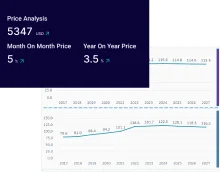
Analyze pricing patterns with comprehensive trend analyses.
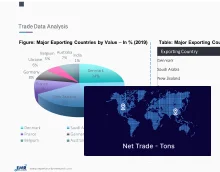
Analyse trade data for supply chain insights.

Leverage cost reports for smart savings

Elevate supply chain with collaboration
Contact Us for Further Information
Our specialized analysts will be available to answer all the pre-purchase and post-purchase queries regarding the report.
Our specialized analysts will be available to answer all the pre-purchase and post-purchase queries regarding the report.
Staying one step ahead of the market landscape with our in-depth research methods, integrating advanced analytics to drive precise and tangible outcomes.
Our expert analyst team offers a significant advantage over competitors, with extensive market insights into the latest trends, putting you strategically ahead.
We deliver a simplified yet extensive report, comprising in-depth industry insights and analytics tailored to your industry requirements.
We are happy to help you navigate through the services we offer and solve your queries.
Contact us