Consumer Insights
Uncover trends and behaviors shaping consumer choices today
Procurement Insights
Optimize your sourcing strategy with key market data
Industry Stats
Stay ahead with the latest trends and market analysis.
Australia has been exporting a big portion of its oilseed production to other countries over the last few years. However, the demand for premium, stable oils for food, and the use of oils for renewable fuel is rapidly rising. To address this need, processors are focused on establishing new facilities for domestic production.
This is quite visible when one closely looks at the recent moves of the key players of the industry who are leading the changes. As a matter of fact, GrainCorp in its report in November 2024, announced that it had processed a record amount of canola seed crush of 540,000 tonnes which is the highest processing volume ever, thus indicating a crucial trend in the Australian high oleic oil market for a longer domestic oil production.
The transition towards renewable fuels is also helping the oilseed processing sector to become a major growth factor in the market. GrainCorp’s low-carbon transition is driving change, aiming to make the entire supply chain net-zero. In late 2024, the company launched GrainCorp Next, focusing on improved crushing efficiency and sustainability measures to support future renewable-fuel supply chains.
Moreover, such plans for enhancing domestic production capacity are now backed by industry-wide partnerships. Through signing a memorandum of understanding with Ampol and IFM Investors, GrainCorp is also working on a proposal for a renewable-fuel facility in Australia that could supply SAF or biodiesel while creating stable demand for vegetable oil streams, such as high-oleic variants or others.
These simultaneous and interdependent changes signal a structural evolution in the Australia high oleic oil market, enabling high-oleic oils to benefit from expanded local processing, secure industrial demand, and growing renewable-fuel infrastructure, thereby strengthening the long-term growth of Australian producers.
Compound Annual Growth Rate
8.3%
Value in AUD million
2026-2035
|
Australia High Oleic Oil Market Report Summary |
Description |
Value |
|
Base Year |
AUD million |
2025 |
|
Historical Period |
AUD million |
2019-2025 |
|
Forecast Period |
AUD million |
2026-2035 |
|
Market Size 2025 |
AUD million |
348.61 |
|
Market Size 2035 |
AUD million |
773.79 |
|
CAGR 2019-2025 |
Percentage |
XX% |
|
CAGR 2026-2035 |
Percentage |
8.30% |
|
CAGR 2026-2035 - Market by Region |
Australian Capital Territory |
9.4% |
|
CAGR 2026-2035 - Market by Region |
Western Australia |
9.0% |
|
CAGR 2026-2035 - Market by Source |
Organic Certified |
10.2% |
|
CAGR 2026-2035 - Market by Application |
Biofuel |
9.1% |
|
2025 Market Share by Region |
Western Australia |
15.9% |
November 2025
Australian Oilseeds signed a partnership agreement with Rajashri Foods Pvt. Ltd. to promote its GEO line of cold-pressed, chemical-free canola and olive oils in India. The company's collaboration with the external markets marks a new milestone for the company. This move is a step towards export expansion and in effect, making the brand a quality non-GM and organic-certified lifestyle product, apart from meeting the global clean-label, health-conscious edible oil trend demands.
April 2025
To boost olive oil consumption, the Australian Olive Oil Association initiated the "Get Drizzling" campaign, emphasizing the flavor, aroma, and health benefits of top-quality extra virgin olive oil. The program is for customers who have cut down their per capita consumption due to the price increase and is designed to encourage daily use. Local producers in Australia high oleic oil market are the ones who are getting the most out of these tactics; growing consumer awareness is driving demand for health-orientated, high-oleic oils.
August 2023
Nuseed in its 2024 product range, introduced the N4H490 E Express tolerant high oleic sunflower hybrid with features such as advanced disease resistance and increased oil content to elevate both yield and quality. Such innovations not only contribute to the stabilization of the supply of high oleic sunflower oil but also its expansion, thus easing both farmers' and the industry access to reliable and high-quality raw materials for edible oils.
April 2023
Plenty Foods launched a super high oleic safflower oil made from Australian-grown seeds, containing 92% oleic acid and low in saturated fats. The oil made from SHO (super high oleic) safflower seeds licensed by Go Resources is perfect for both high-temperature cooking and daily use. By offering the oil in 750 ml bottles and selected grocers, the initiative through Woolworths stores aims at providing consumers with a safer and more sustainable local alternative to imported cooking oils in the Australia high oleic oil market.
Advancement in High-Oleic Seed Research and development
Australian seed developers are focused on bringing high-oleic crops to a level that can meet the requirements of the processors and food manufacturers. The aim is to have better yield, disease resistance, and oil quality. One of the flagship examples of is Nuseed’s launch of new Express-tolerant high-oleic sunflower hybrids in August 2023, which not only provides growers with advanced options but also helps in stabilizing domestic supply. These research-driven releases provide reliable, high-quality feedstock, enabling stable production of premium products in the Australia high-oleic oil market for both industrial and consumer applications.
Strategic partnerships strengthening specialty oil commercialization
To quickly bring high-oleic oils to the market, the companies have started to create strategic-partnerships, which mainly connect seed developers and food manufacturers. Nuseed’s partnership with Unilever in November 2024 is one of the examples, whose objective is to advance biomass and oil innovation as well as to develop sustainable supply chains. The collaborations in this manner allow downstream testing, production volume alignment, and supply stability, which are the main reasons for the high-oleic oils to reach industrial and consumer markets in a more efficient way.
Expansion of Domestic Crushing Capacity
The Australia high oleic oil market is witnessing a growing domestic demand for high-oleic oils, which has encouraged Australian companies to make onshore processing investments to keep more of the value locally. GrainCorp’s record canola crush of 540,000 tonnes in November 2024 is a good example of the trend, showing the capacity to handle larger volumes of premium oilseeds. As a result of the expansions, the food and renewable fuel sectors both get the support they need, and at the same time, a stable supply of high-oleic oils is ensured while the domestic value chain is being enhanced.
Supply-Chain Infrastructure and Logistics Upgrades
Storage, handling, and transport need to be of the highest level if the oilseed sector throughput is to be increased and oil quality preserved. In Viterra’s announcement in December 2024 of major capital projects and maintenance programs ahead of the 2024–25 harvest, we can see a good example of these initiatives to improve operational reliability and increase throughput capacity. Owing to the upgraded infrastructure, high-oleic seeds can be delivered to crushers in a timely manner, which is a great support to the continuous production of stable, premium oils, both for industrial and consumer applications, thus leading to the growth of the Australia high oleic oil market.
M&A and IP Acquisition Expanding Specialty Oil Portfolios
To keep the pace with technological innovation in high oleic oils, companies are buying intellectual property and the rights of licensing which gives them access to advanced oil traits. An instance demonstrating this trend is, in July 2024, Nuseed purchased an omega-3 canola licence from Yield10, thus broadening its speciality oil portfolio and the research and development pipeline. These purchases provide companies with the opportunities to present differentiated high-oleic products, entice new commercial partnerships, and be able to deliver the consistent, high-quality oils required for food processors and renewable energy markets.
The EMR’s report titled “Australia High Oleic Oil Market Report and Forecast 2026-2035” offers a detailed analysis of the market based on the following segments:
Market Breakup by Type
Key Insights: Sunflower oil is benefitting from the increasing consumer demand for heart healthy cooking oils in Australia. Canola is experiencing growth as companies like Cargill and ADM are introducing high-yield oleic varieties to increase the supply. Soybean oil is still significant for bulk edible and industrial applications. Safflower oil is gaining demand in the premium market as a niche product. The rest of the oils cater to the specialty and value-added segments. Processors are ramping up their crush capacity to cater to the demand across all the segments.
Market Breakup by Source
Key Insights: The Australia high oleic oil market scope comprises non-GM/conventional, GM, and organic-certified oils, with distinct demand factors driving each of them. Consumers of non-GM oils demand traceable, chemical-free products. For instance, Australian Oilseeds Holdings Limited provides non-GM oils to major retail chains like Woolworths and Costco. GM oils are produced on a large scale because of the efficiency, whereas organic-certified oils are getting increasingly popular in the premium and the health-conscious consumer segments, reflecting the growing demand for sustainable, clean-label products in both local and export markets.
Market Breakup by Application
Key Insights: Food processing applications contribute substantially to the Australia high oleic oil market growth, resulting from the significant need for healthy, stable oils for frying, baking, and packaged foods. Companies like ADM and Cargill are responding to this demand by expanding supply and launching high-oleic variants. Biofuel acquires a larger share of the market, as firms make capital expenditures intending to provide sustainable, high-yield oil sources for renewable diesel and biodiesel production. Other applications like cosmetics and personal care have embraced speciality oils to meet the needs of niche industrial and premium products.
Market Breakup by Region
Key Insights: The Australia high oleic oil market is segmented regionally into New South Wales, Victoria, Queensland, Australian Capital Territory, Western Australia, and other states. The two New South Wales and Victoria are leading in cultivation as well as processing whereby the soils being more fertile and well established agro infrastructure are the main reasons. As a result, companies like GrainCorp and Australian Oilseeds Holdings Limited are investing heavily in crushing and storage capacities. Queensland and Western Australia are on the rise owing to farm investments' strategies and high yield varietal trial plans. While the other regions leverage niche specialty crops to pay the regional processors and accelerate domestic supply chains.
By type, canola/rapeseed oils witness high demand
The canola/rapeseed segment is very much on the rise and Australian farmers are very much benefiting from it by tapping into the skyrocketing export demand and at the same time beefing up processing capacity. Australian Oilseeds Holdings Limited, among other things, has recently made the announcement that in late 2025, the Chinese demand for its canola oil was so intense that it had to entered a partnership with a leading Chinese trading company to ensure supply under long-term contracts. With local crushers building up their capacity and the world getting increasingly inclined toward stable and high-quality edible oils, this export-driven demand is the main factor propelling canola/rapeseed to be Australia's next major segment of the high oleic oil market.
To address the growing needs of consumers for healthy and stable cooking oils, major companies have gradually shifted their focus to high oleic sunflower oil, which is propelling the growth of the Australia high oleic oil market. One such example is ADM, which counts high oleic sunflower oil as one of the products in its sunflower oil portfolio and presents it as a functional oil for frying, baking, and other applications. At the same time, Cargill Australia makes use of its crushing and refining capacities to process sunflower oil in combination with canola and soybean oils and thus be able to support both the food service and the industrial sectors with their demand. Strategic moves like this result in more availability, better quality, and larger market shares for high oleic sunflower oils.
By source, non-GM / conventional oils maintain noteworthy market interest
Non-GM and conventionally produced oils hold a substantial revenue share of the Australia high oleic oil market, with demand mainly driven by consumer preference for chemical-free, easily traceable oils and cleaner-label products. For instance, in April 2024, Australian Oilseeds Holdings Limited (AOI) was able to secure a nationwide supply agreement to provide its cold-pressed, non-GMO extra-virgin canola oils to Woolworths stores Australia-wide, which are approximately 960 outlets. The move opens the market to more consumers, consolidates the non-GM value chain, and at the same time highlights AOI's commitment to producing sustainable and non-chemical oils.
Organic-certified high oleic oils are gaining popularity among consumers of healthy and environmentally friendly products, with producers increasing certified supply and seeking new markets. As a testament to this, AOI recently extended its cold pressing capacity and, as announced in March 2024, it is constructing a larger multi-seed crushing plant in Queensland to support the supply of certified conventional and organic oilseeds under its brand. The company’s move exemplifies how businesses are ensuring both volume and quality of feedstock to meet the demand for organic oils, fuelling the growth of the Australia high oleic oil market.
By application, biofuel category registers robust growth
Growing biofuel demand has led farmers and food processors to look for ways to supply the fuel market through food oil supply chains. In July 2024, for example, GrainCorp inked a three-party MOU with Ampol and IFM Investors to look into the local renewable fuels industry by using canola and other oilseed feedstocks, which also involves plans for capacity expansions to supply Sustainable Aviation Fuel (SAF) or renewable diesel. Such a move is transforming the high oleic oil market by providing a new high-value outlet beyond food, thus getting farmers to increase oilseed production and food processors to scale up infrastructures for bio-oil conversion.
Food processing sector applications account for a significant share of the Australia high oleic oil market, with companies concentrating on using stable, high oleic oils for frying, baking, and packaged foods, thus catering to the consumers' needs for the quality and health aspects. For instance, grain and oil seed processors in Australia are progressively refining high oleic canola and sunflower oils and using them as a promotional tool to attract food manufacturers for shorter fry life, oxidative stability, and cleaner labelling. This consistent focus on quality and trustworthiness goes a long way towards keeping the dominance of high oleic oils in the retail and industrial food sectors, thus enabling the supply chain to grow in the long run.
|
CAGR 2026-2035 - Market by |
Region |
|
Australian Capital Territory |
9.4% |
|
Western Australia |
9.0% |
|
Victoria |
8.1% |
|
New South Wales |
XX% |
|
Queensland |
XX% |
|
Others |
XX% |
By region, Queensland is emerging as a hotspot
Queensland is gaining traction for its rich soils and well-thought-out location, which is making it a fast-growing production center in the Australia high oleic oil market. To cater to the increased demand and fortify supply chains in the region, in December 2024, Australian Oilseeds Holdings Limited (AOI) got the green light to start the construction of a new crushing plant near Emerald with an estimated daily capacity of 200 tonnes. The move will locally expand access of farmers to the necessary processing facilities and at the same time ensure the continuous supply of high-quality sunflower, canola, and soybean oils for domestic and export markets.
Victoria continues to be the largest contributors to Australia high oleic oil market revenue benefiting from mature infrastructure and skilled labor. To raise the level of efficiency and create more value throughout the supply chain, in 2023–2024, GrainCorp made an expansion to its West Footscray plant that integrated edible oil and spread production, thus processing canola and other oilseeds for retail and industrial use. This widening of the facility lessens logistical bottlenecks, increases the reliability of the supply, and strengthens the role of Victoria as a leading processing hub, thus allowing it to meet the huge demands for high oleic oils both locally and abroad.
Top Australia high oleic oil market players are engaging in cutting-edge seed research and development for high-yield and disease-resistant seed varieties so that processors have a constant and quality supply of feedstock. Besides that, companies are increasing domestic crushing capacity and modernizing supply-chain infrastructure to upgrade the system’s stability and meet the demand that comes from the food and renewable fuel sectors. The pace of innovation and market access is also being increased through the creation of strategic partnerships and acquiring intellectual property.
Additionally, many high oleic oil companies in Australia are executing sustainability and value-addition initiatives through the complete integration of their operations from farm to refinery. Partnerships with global FMCG companies and renewable fuel investors facilitate the alignment of production volumes, downstream testing, and supply chain efficiency across the Australia high oleic oil market landscape. On top of that, spending in certifications, quality standards, and logistics infrastructure empowers the participants to enter the best markets, enhance their operational resilience, and keep their competitive advantage not only in the Australian high oleic oil market but also in other international markets for high-oleic oil.
Archer Daniels Midland Company (ADM)
Archer Daniels Midland Company (ADM) is a world leader in the field of agricultural processing and food ingredients. It was established in 1902 and is centrally located in Chicago, Illinois. The company provides a wide range of oils, flours, and nutrition solutions that are suitable for both industrial and consumer markets. ADM operates extensively in the international arena and is highly regarded for its eco-friendly measures and various quality certifications.
Cargill, Inc.
Cargill, Incorporated, established in 1865 and is located in the United States. The company is a leading food and agricultural enterprise globally. The company boasts a large and varied product lineup that spans edible oils, grains, and animal nutrition solutions, the major customers of which reside on multiple continents. Cargill comprises the Operational Excellence Division, the Global Supply Chain Division and is reputed to be in strict compliance with international standards of quality.
Marbacher Ölmühle GmbH
Ölmühle GmbH, established in 1830 and located in Marbach, Germany, is an expert in the manufacture of vegetable oils and specialty oil products. The firm features superior processing, innovation, and an extensive product line for both food and industrial use as its main selling points. The company has made its name in the areas of sustainability, certifications, and country-wide as well as worldwide exports.
Adams Group
Adams Group, founded in 1982 and located in Australia, is a company that is primarily engaged in the production and supply of edible oils and food ingredients. Its product range includes that of unrefined and refined oils that are suitable for food manufacturers and industrial users. The company boasts quality control, certifications, and its increasing influence across the domestic and regional markets as its main achievements.
Other player in the market includes Colorado Mills LLC, among others.
Explore the latest trends shaping the Australia High Oleic Oil Market 2026-2035 with our in-depth report. Gain strategic insights, future forecasts, and key market developments that can help you stay competitive. Download a free sample report or contact our team for customized consultation on Australia high oleic oil market trends 2026.


Upto 15% Off
AUD
$2749 $2499
$3849 $3499
$4949 $4499
$6049 $5499


*While we strive to always give you current and accurate information, the numbers depicted on the website are indicative and may differ from the actual numbers in the main report. At Expert Market Research, we aim to bring you the latest insights and trends in the market. Using our analyses and forecasts, stakeholders can understand the market dynamics, navigate challenges, and capitalize on opportunities to make data-driven strategic decisions.*
In 2025, the Australia high oleic oil market reached an approximate value of AUD 348.61 million.
The market is projected to grow at a CAGR of 8.30% between 2026 and 2035.
The key players in the market include Archer Daniels Midland Company, Cargill, Incorporated, Marbacher Ölmühle GmbH, Adams Group, Colorado Mills LLC, and other companies.
Key strategies driving the Australia high oleic oil market growth include expansion of domestic crushing capacity, advanced high-oleic seed research and development, strategic partnerships and joint ventures, IP acquisitions, and investments in supply-chain infrastructure to ensure stable, high-quality oil production for food and biofuel applications.
Major challenges that the Australia high oleic oil market face includes volatile raw material prices, climate and pest-related production risks, competition from imported oils, regulatory compliance for organic and non-GM certification, and scaling sustainable supply chains to meet rising domestic and export demand.
Explore our key highlights of the report and gain a concise overview of key findings, trends, and actionable insights that will empower your strategic decisions.
| REPORT FEATURES | DETAILS |
| Base Year | 2025 |
| Historical Period | 2019-2025 |
| Forecast Period | 2026-2035 |
| Scope of the Report |
Historical and Forecast Trends, Industry Drivers and Constraints, Historical and Forecast Market Analysis by Segment:
|
| Breakup by Type |
|
| Breakup by Source |
|
| Breakup by Application |
|
| Breakup by Region |
|
| Market Dynamics |
|
| Competitive Landscape |
|
| Companies Covered |
|
Datasheet
AUD 2,749
AUD 2,499
tax inclusive*
Single User License
AUD 3,849
AUD 3,499
tax inclusive*
Five User License
AUD 4,949
AUD 4,499
tax inclusive*
Corporate License
AUD 6,049
AUD 5,499
tax inclusive*
*Please note that the prices mentioned below are starting prices for each bundle type. Kindly contact our team for further details.*
Flash Bundle
Small Business Bundle
Growth Bundle
Enterprise Bundle
*Please note that the prices mentioned below are starting prices for each bundle type. Kindly contact our team for further details.*
Flash Bundle
Number of Reports: 3
20%
tax inclusive*
Small Business Bundle
Number of Reports: 5
25%
tax inclusive*
Growth Bundle
Number of Reports: 8
30%
tax inclusive*
Enterprise Bundle
Number of Reports: 10
35%
tax inclusive*
How To Order

Select License Type
Choose the right license for your needs and access rights.

Click on ‘Buy Now’
Add the report to your cart with one click and proceed to register.

Select Mode of Payment
Choose a payment option for a secure checkout. You will be redirected accordingly.
Strategic Solutions for Informed Decision-Making
Stay upgraded and grab opportunities by strategic insights
Stay informed and aware for a Market Leverage
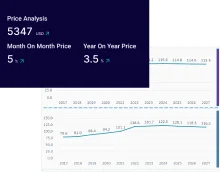
Analyze pricing patterns with comprehensive trend analyses.
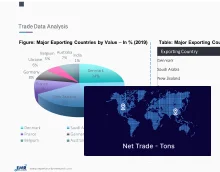
Analyse trade data for supply chain insights.
Leverage cost reports for smart savings

Elevate supply chain with collaboration
Contact Us for Further Information
Our specialized analysts will be available to answer all the pre-purchase and post-purchase queries regarding the report.
Our specialized analysts will be available to answer all the pre-purchase and post-purchase queries regarding the report.
Staying one step ahead of the market landscape with our in-depth research methods, integrating advanced analytics to drive precise and tangible outcomes.
Our expert analyst team offers a significant advantage over competitors, with extensive market insights into the latest trends, putting you strategically ahead.
We deliver a simplified yet extensive report, comprising in-depth industry insights and analytics tailored to your industry requirements.
We are happy to help you navigate through the services we offer and solve your queries.
Contact us