Consumer Insights
Uncover trends and behaviors shaping consumer choices today
Procurement Insights
Optimize your sourcing strategy with key market data
Industry Stats
Stay ahead with the latest trends and market analysis.
Compound Annual Growth Rate
5.3%
Value in AUD billion
2026-2035
The Australia e-commerce market is thriving, driven by rising mobile shopping and increasing smartphone usage. Retailers enhance apps for convenience, while eco-conscious consumers demand sustainable products, prompting brands to adopt green practices. In October 2023, FedEx launched Picture Proof of Delivery (PPOD) for express residential deliveries, enhancing customer experience by providing a photo of the package's location upon delivery. This free service, accessible through tracking notifications, offers peace of mind to both merchants and consumers, supporting continued growth in the Australia e-commerce industry.
Personalised shopping experiences are on the rise, with retailers utilising data analytics and AI for tailored recommendations and promotions, enhancing engagement and conversions. The Australia e-commerce market dynamics and trends are influenced by the growth of social commerce as brands leverage social media for direct sales and community interaction. Furthermore, consumers increasingly expect quick delivery options, leading retailers to enhance logistics for same-day and next-day shipping, thereby boosting customer satisfaction.
| Australia E-Commerce Market Report Summary | Description | Value |
| Base Year | AUD billion | 2025 |
| Historical Period | AUD billion | 2019-2025 |
| Forecast Period | AUD billion | 2026-2035 |
| Market Size 2025 | AUD billion | 33.83 |
| Market Size 2035 | AUD billion | 56.70 |
| CAGR 2019-2025 | Percentage | XX% |
| CAGR 2026-2035 | Percentage | 5.30% |
| CAGR 2026-2035 - Market by Region | Queensland | 6.1% |
| CAGR 2026-2035 - Market by Region | New South Wales | 5.7% |
| CAGR 2026-2035 - Market by Product Type | Consumer Electronics | 6.0% |
| CAGR 2026-2035 - Market by Model Type | Business-to-Consumers | 5.9% |
| 2025 Market Share by Region | Victoria | 24.3% |
The Australia e-commerce market is rapidly growing due to several factors. Better internet access has made online shopping a necessity, and the growing use of mobile devices is encouraging retailers to improve mobile experiences. According to the ABS, as of January 2024, Australia had 25.21 million internet users when internet penetration stood at almost 95%. This is positively impacting the Australia e-commerce industry revenue.
Social commerce is thriving, with brands leveraging social media for direct sales. Sustainability is also a key focus, as eco-conscious shoppers seek greener products, influencing brand loyalty. Additionally, consumers expect fast delivery options, pushing retailers to improve logistics. Australia e-commerce market opportunities are expanding as diverse product offerings draw a wider audience, allowing retailers to meet various consumer needs and enhance their competitive edge.
April 2024
TikTok submitted a trademark application in Australia for TikTok Shop, indicating that the ByteDance-owned platform was preparing to launch its new e-commerce service locally. TikTok Shop allows businesses to promote their products, enhance their brand, and sell items directly to TikTok users within the app itself.
February 2024
Shopify introduced more than 100 new features to support Australian retailers, having reportedly powered 25% of commerce in the country. These updates aimed to help merchants attract more buyers, expand their customer base, and simplify operations, enhancing the shopping experience for retailers like JB HiFi, Culture Kings, and July.
Focus on Sustainability
The Australia e-commerce market is propelled by the growing demand for sustainable products among eco-conscious consumers. In turn, retailers are adopting more environmentally friendly practices, such as using eco-friendly packaging and sourcing products ethically. This transition not only aligns with consumer expectations but also builds brand loyalty among environmentally conscious shoppers. As sustainability increasingly becomes a fundamental value for many consumers, brands that prioritize eco-friendly initiatives are poised to stand out in a competitive landscape. This focus helps attract a loyal customer base dedicated to ethical consumption, contributing to the growth of the Australia e-commerce market. In August 2024, Australia Post was honoured with the 2024 Sustainable Packaging Design – E-Commerce Gold award at the Australasian Packaging and Innovation & Design (PIDA) Awards for its innovative Korrvu Retention range of wine boxes. This partnership with Sealed Air replaces traditional polystyrene with primarily corrugated cardboard, offering protection against damage while utilizing up to 50% recycled materials, thus enhancing the unboxing experience and promoting curbside recyclability.
Demand for Fast Delivery
The Australia e-commerce market is experiencing growth as consumers increasingly demand rapid delivery options, such as same-day and next-day services. This trend is prompting retailers to make substantial investments in logistics and fulfilment to improve customer satisfaction. Companies are implementing innovative strategies, such as establishing local distribution centres and forming partnerships with delivery services, to meet these expectations. The focus on fast delivery not only elevates the shopping experience but also promotes repeat purchases, which is essential for fostering customer loyalty in a competitive e-commerce market and boosting overall demand. In June 2024, Australia Post expanded its Australia Post Metro next-day delivery service to Adelaide, providing eligible retailers and customers with faster and more reliable online shopping experiences. This initiative responds to the growing trend of online shopping in Adelaide, where e-commerce has seen consistent year-on-year growth, with online purchases 15.2% higher than in 2019 and nearly 500,000 households shopping online last year.
Integration of AI and Technology
The Australia e-commerce market is being transformed by the integration of artificial intelligence and advanced technologies. Retailers are leveraging AI to create personalized shopping experiences, utilize predictive analytics, and manage inventory more effectively. Chatbots and virtual assistants play a crucial role in enhancing customer service by offering instant support and tailored recommendations. These technological advancements enhance operational efficiency while also strengthening connections with consumers. As AI progresses, its impact on marketing strategies and user engagement is anticipated to increase, influencing the future of online retail, while also impacting the e-commerce demand growth. In July 2024, Hexaware introduced a generative AI application, the Gen AI App, available through AWS Marketplace. This tool helps retailers create product descriptions and enhance customer experience by automating content generation, improving visual merchandising, and optimizing SEO. By analysing uploaded images, the app automates product description creation, saving retailers time and resources, and streamlining inventory management with bulk image uploads while aligning product visuals with desired brand aesthetics.
Key restraints in the Australia e-commerce market include logistical difficulties stemming from the country's large geographic area, resulting in increased delivery costs and times. Additionally, fierce competition from various local and international players can compress profit margins. Concerns regarding consumer trust related to security and product authenticity also pose significant challenges.
Additionally, navigating complex regulatory compliance and managing high return rates can be costly for retailers. Technological barriers may hinder some businesses from implementing advanced systems effectively. Finally, changing consumer preferences and economic factors, such as inflation, can impact sales and spending, presenting further challenges for Australia e-commerce market growth.
“Australia E-Commerce Market Report and Forecast 2026-2035” offers a detailed analysis of the market based on the following segments:
Market Breakup by Product Type
Market Breakup by Model Type
Market Breakup by Region
By Product Type Analysis
Automotive e-commerce provides key benefits, such as the convenience of shopping for vehicles, parts, and accessories from home. Consumers enjoy a wide selection for easy product comparison and price transparency, promoting competitive pricing. Comprehensive online listings provide essential information that helps consumers make informed decisions. Additionally, streamlined services such as financing options make the purchasing process easier, while targeted marketing through data analytics ensures that promotions effectively reach the appropriate audience, thereby boosting demand in the Australian e-commerce market. In March 2023, Nissan Australia announced plans for online sales, allowing new-car buyers to complete their purchases online, including trade-in valuations, enhancing the overall buying experience.
Beauty and personal care e-commerce offers unmatched convenience, allowing consumers to shop anytime and anywhere, significantly saving time compared to traditional retail, which is contributing to the growth of the Australia e-commerce market. The broad product selection includes niche and international brands not available in stores. Personalization through AI recommendations, customer reviews, exclusive online deals, and subscription services enhances the shopping experience. In March 2024, the premium skincare brand Medipledge debuted in Australia through both retail and online channels, specialising in post-laser skin barrier restoration, especially for Asian skin. The launch is supported by top aesthetic therapists and prominent local influencers.
According to the International Trade Administration, total retail spending in Australia reached USD 242 billion in 2022, reflecting a 9.2% increase from 2021. E-commerce made up 18% of this total, amounting to USD 45 billion, which represents a modest growth of 1.7% from the previous year. The e-commerce demand growth was fueled by the fact that 82% of households made online purchases in 2022, with the highest growth occurring among consumers in rural and remote areas.
According to the ABS, digital activity in the Australian economy was primarily driven by demand for support services (39.8%), e-commerce wholesale (22.9%), and telecommunications (18.4%) during 2021-2022. Digital activity increased by 8.6% ($10.9 billion) in this period, while the overall economic growth rate was 11.7%. Online shopping continued to rise, with retail e-commerce growing by 12.6% in 2021-22, significantly contributing to the growth of the Australia e-commerce industry as various sites employed data analytics and AI for personalized recommendations based on user preferences and shopping history.
| CAGR 2026-2035 - Market by | Region |
| Queensland | 6.1% |
| New South Wales | 5.7% |
| Victoria | XX% |
| Australian Capital Territory | XX% |
| Western Australia | XX% |
| Others | XX% |
Australia e-commerce market key players include companies that operate platforms connecting millions of buyers and sellers. They offer a diverse array of products, such as electronics and groceries, and provide benefits like free shipping and exclusive deals, which help boost customer loyalty and drive repeat purchases.
Kogan Australia Pty Ltd: Established in 2006 and headquartered in Melbourne, is an online retailer specializing in consumer electronics, home goods, and personal products. Known for its competitive pricing and direct-to-consumer model, Kogan prioritizes customer satisfaction and offers innovative shopping experiences through its user-friendly platform.
Amazon.com Inc.: Founded in 1994 and based in Seattle, Amazon.com Inc. is a global e-commerce and technology leader that began as an online bookstore. It now offers millions of products, cloud services through AWS, and digital streaming. Amazon is renowned for its logistical innovations and customer-focused strategies that enhance shopping experiences.
Woolworths Group Limited: Established in 1924 and located in Bella Vista, Woolworths Group Limited is a top supermarket and grocery retailer in Australia. Offering a wide range of food, beverages, and household items, Woolworths is committed to quality and sustainability, operating both physical stores and an online shopping platform.
Coles Group Ltd.: Founded in 1914 and headquartered in Hawthorn East, is one of Australia’s largest supermarket chains. It provides groceries, fresh produce, and household goods. Focusing on quality and customer service, Coles offers both in-store and online shopping options, ensuring convenience and value for customers nationwide.
Other key players in the Australia e-commerce market report include Kmart Australia Limited, JB Hi-Fi Limited, ePharmacy Group Pty Ltd., Officeworks Ltd., Myer Pty Ltd., and Endeavour Group Limited among others.
August 2024
CIRRO E-Commerce, a prominent provider of e-commerce logistics solutions, launched its cross-border shipping services from Australia to various international destinations. The service featured an end-to-end management system overseeing the shipping process, ensured hassle-free customs clearance, and provided necessary IT support for seamless integration with customer systems.
May 2024
Rugby Australia formed a long-term e-commerce partnership with Fanatics, designating them as the official online store provider. This collaboration enabled fans of the Wallabies, Wallaroos, and Australian Super Rugby to purchase official merchandise. The partnership was set to last through significant upcoming rugby events, including the 2025 Women’s Rugby World Cup.


Upto 15% Off
AUD
$2749 $2499
$3849 $3499
$4949 $4499
$6049 $5499


*While we strive to always give you current and accurate information, the numbers depicted on the website are indicative and may differ from the actual numbers in the main report. At Expert Market Research, we aim to bring you the latest insights and trends in the market. Using our analyses and forecasts, stakeholders can understand the market dynamics, navigate challenges, and capitalize on opportunities to make data-driven strategic decisions.*
In 2025, the market reached an approximate value of AUD 33.83 billion.
The Australia e-commerce market is assessed to grow at a CAGR of 5.30% between 2026 and 2035.
The market is estimated to witness healthy growth in the forecast period of 2026-2035 to reach a value of around AUD 56.70 billion by 2035.
The regional markets for the product include New South Wales, Victoria, Queensland, Australian Capital Territory, and Western Australia, others.
The various product types in the market include automotive, beauty and personal care, books and stationery, consumer electronics, home appliances, clothing and footwear, healthcare, and others.
The key players in the market are Kogan Australia Pty Ltd, Amazon.com Inc., Woolworths Group Limited, Coles Group Ltd., Kmart Australia Limited, JB Hi-Fi Limited, ePharmacy Group Pty Ltd., Officeworks Ltd., Myer Pty Ltd., and Endeavour Group Limited among others.
The various model types in the market include business-to-consumers, business-to-business, and consumers-to-consumers.
Explore our key highlights of the report and gain a concise overview of key findings, trends, and actionable insights that will empower your strategic decisions.
| Report Features | Details |
| Base Year | 2025 |
| Historical Period | 2019-2025 |
| Forecast Period | 2026-2035 |
| Scope of the Report |
Historical and Forecast Trends, Industry Drivers and Constraints, Historical and Forecast Market Analysis by Segment:
|
| Breakup by Product Type |
|
| Breakup by Model Type |
|
| Breakup by Region |
|
| Market Dynamics |
|
| Price Analysis |
|
| Competitive Landscape |
|
| Companies Covered |
|
Datasheet
AUD 2,749
AUD 2,499
tax inclusive*
Single User License
AUD 3,849
AUD 3,499
tax inclusive*
Five User License
AUD 4,949
AUD 4,499
tax inclusive*
Corporate License
AUD 6,049
AUD 5,499
tax inclusive*
*Please note that the prices mentioned below are starting prices for each bundle type. Kindly contact our team for further details.*
Flash Bundle
Small Business Bundle
Growth Bundle
Enterprise Bundle
*Please note that the prices mentioned below are starting prices for each bundle type. Kindly contact our team for further details.*
Flash Bundle
Number of Reports: 3
20%
tax inclusive*
Small Business Bundle
Number of Reports: 5
25%
tax inclusive*
Growth Bundle
Number of Reports: 8
30%
tax inclusive*
Enterprise Bundle
Number of Reports: 10
35%
tax inclusive*
How To Order

Select License Type
Choose the right license for your needs and access rights.

Click on ‘Buy Now’
Add the report to your cart with one click and proceed to register.

Select Mode of Payment
Choose a payment option for a secure checkout. You will be redirected accordingly.
Strategic Solutions for Informed Decision-Making
Stay upgraded and grab opportunities by strategic insights
Stay informed and aware for a Market Leverage
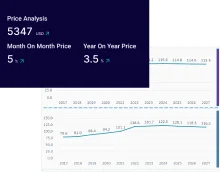
Analyze pricing patterns with comprehensive trend analyses.
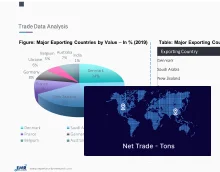
Analyse trade data for supply chain insights.
Leverage cost reports for smart savings
Elevate supply chain with collaboration
Contact Us for Further Information
Our specialized analysts will be available to answer all the pre-purchase and post-purchase queries regarding the report.
Our specialized analysts will be available to answer all the pre-purchase and post-purchase queries regarding the report.
Staying one step ahead of the market landscape with our in-depth research methods, integrating advanced analytics to drive precise and tangible outcomes.
Our expert analyst team offers a significant advantage over competitors, with extensive market insights into the latest trends, putting you strategically ahead.
We deliver a simplified yet extensive report, comprising in-depth industry insights and analytics tailored to your industry requirements.
We are happy to help you navigate through the services we offer and solve your queries.
Contact us