Consumer Insights
Uncover trends and behaviors shaping consumer choices today
Procurement Insights
Optimize your sourcing strategy with key market data
Industry Stats
Stay ahead with the latest trends and market analysis.
The Australia bio LPG market is also picking up pace due to the affordability of switching from conventional LPG, and homes and businesses can decarbonize without replacing their appliances. Adoption is driven by regional energy security, with bio-LPG functioning as a stable substitute during intermittent electricity supply or restricted grid accessibility. All these have collectively turned bio-LPG into a viable low-carbon energy source that meets a wide variety of residential and commercial energy requirements.
Strategic partnerships in the Australia bio LPG market allow energy companies to exchange experience, infrastructure, and supply networks, which mitigate risks in new ventures of renewable fuel. At the same time, the technical viability and commercial viability of bio-LPG are proven with the help of proof-of-concept projects that will help investors, regulators, and purchasers gain confidence. This collaboration strategy increases market credibility, investment appeal, and the transition to pilot projects towards large-scale manufacturing.
Furthermore, coupling collaborative networks with demonstrative projects will allow industry partners to effectively grow supply chains, maximize feedstock use, and provide renewable LPG to residential, industrial, and transportation sectors without interruption, which is propelling the Australia bio LPG market expansion. For instance, in November 2025, Viva Energy and Origin Energy signed a Memorandum of Understanding (MOU) to create the bio-LPG production proof-of-concept in the Geelong refinery owned by Viva to turn locally sourced used cooking oil into renewable LPG to supply to the Origin retail network.
Compound Annual Growth Rate
29.8%
Value in AUD million
2026-2035
|
Australia Bio LPG Market Report Summary |
Description |
Value |
|
Base Year |
AUD million |
2025 |
|
Historical Period |
AUD million |
2019-2025 |
|
Forecast Period |
AUD million |
2026-2035 |
|
Market Size 2025 |
AUD million |
11.16 |
|
Market Size 2035 |
AUD million |
151.50 |
|
CAGR 2019-2025 |
Percentage |
XX% |
|
CAGR 2026-2035 |
Percentage |
29.80% |
|
CAGR 2026-2035 - Market by Region |
Australian Capital Territory |
33.4% |
|
CAGR 2026-2035 - Market by Feedstock |
Residual/Wastes |
33.2% |
|
CAGR 2026-2035 - Market by End Use |
Commercial |
32.8% |
|
2025 Market Share by Region |
Queensland |
27.4% |
October 2025 - XCF Global & New Rise Australia Expanded Renewable Fuel Facilities
XCF Global signed a binding term sheet with New Rise Australia in order to install modular renewable fuel production plants in Australia and aims at a minimum of three SAF plants. This growth will ensure that there is more capacity in the production of low-carbon liquid fuels in the country and that infrastructure is well prepared. The initiative, through its reinforcement of the renewable fuels ecosystem and feedstock demand, indirectly promotes the expansion and incorporation of bio-LPG into larger energy changeovers.
March 2025 - Vast Secured AUD 180 Million for South Australia Clean Energy & Green Fuels
Vast Renewables secured AUD 180 million from the ARENA to construct a utility-scale clean energy development at Port Augusta, which will supply green fuel production. This funding is speeding up the grid-connected generation of renewables, which will allow for the manufacture of low-carbon fuels. The growing supply of renewable power and renewable feedstocks will enhance the Australian renewable liquid fuel foundation, which indirectly supports the Australia bio LPG market.
November 2024 - Vast Received USD 30 Million ARENA Funding for Green Technology
Vast Renewables secured USD 30 million from ARENA to increase the capacity of its clean technology and green fuels. This capital sustains next-generation concentrated solar thermal power systems, which form the basis of green methanol and renewable aviation fuel programs. The development of renewable liquid fuels and energy security establishes a better marketplace for low-carbon fuels such as bio-LPG because of similar feedstock, technology, and policy synergies.
June 2024 - Vast & Mabanaft Advanced Green Methanol Project at Port Augusta
Vast Renewables and Mabanaft entered into a Joint Development Agreement with the aim of advancing the Solar Methanol 1 project in South Australia, where 7,500 tons of green methanol is to be produced annually. This partnership promotes liquid fuel capacity founded on renewable energy, which assists in the decarbonization of transport and industry. Extended chains of renewable fuel can facilitate biomass and waste feedstock needs, which indirectly increases the future opportunities in the Australia bio LPG market.
Infrastructure Expansion to Process Bio Feedstocks
Renewable fuels such as bio-LPG require upgrading refinery infrastructure that is designed to accommodate bio-feedstocks. Improved processing capacity allows for reducing waste oils, fats, and other renewable feeds into less carbon-intensive products, guaranteeing domestic security. Through capacity-building refiners, firms operating in the Australia bio LPG market are able to cut the level of imports and achieve sustainability targets. For instance, in May 2023, Viva Energy stated that it would process bio-feedstocks at its Geelong refinery, which would be used to support renewable LPG paths.
Trial Deployments of Lower Carbon Fuel Products
Demonstrative trials provide proof of renewable fuel's performance and boost trust in the Australia bio LPG market. Operational reliability is encouraged through supply chain preparedness due to real-world testing, and this makes the technology worth investing in and adopting. For instance, in April 2025, Viva Energy did the first commercial trial of marine biofuel in Australia on the Royal Caribbean Celebrity Edge with an 80/20 biofuel mixture, demonstrating the utility of renewable fuels and the infrastructure capacity building of bio-LPG.
Renewable Diesel Product Launches Bolstering Bio Feedstock Economy
Bringing renewable diesel products enhances the demand for bio-feedstocks and indirectly promotes bio-LPG production as a by-product. Renewable diesel facilitates economies of scale and allows extensive use of low-carbon fuels. For instance, in February 2024, Viva Energy introduced 100% renewable diesel in collaboration with Cleanaway to provide HVO to waste-collection fleets to enhance the renewable-fuel ecosystem that supports the Australia bio LPG market dynamics.
Circular Economy Initiatives Increasing Valuable Feedstock Streams
The projects under the circular economy transform waste materials into renewable feedstocks and thereby contribute to the production of low-carbon fuels such as bio-LPG. These programs guarantee stability in supply, lower expenditures, and increase sustainability qualifications, which promote market confidence. Using the example of March 2025, in a project with Klean Industries, Viva Energy engaged in a tire-recycling project to generate bio-genic pyrolysis oil to be converted into lower-carbon fuels in Geelong, which would increase the availability of renewable feedstock.
Long-Term Refinery Transformation Supporting Renewable Fuel Layers
The conversion of old refineries to renewable fuel centers enhances the bio-LPG production infrastructure foundation, further propelling the Australia bio LPG market development. Multi-product plants maximize feedstock utilization and generate high-quality results of low-carbon fuels to maintain market preparedness in the long term. For instance, the Geelong refinery of Viva Energy has been modernized to process renewable feeds and generate sustainable fuels since 2023 to support the structural support of bio-LPG along with renewable diesel and SAF.
The EMR’s report titled “Australia Bio LPG Market Report and Forecast 2026-2035” offers a detailed analysis of the market based on the following segments:
Market Breakup by Feedstock
Key Insights: The Australia bio LPG market’s feedstock ecosystem is varied and covers residues and wastes, sugar, as well as oil, with an active industry transformation initiative. The waste and residual feedstock category is taking off with companies like Viva Energy and Cleanaway agreeing to turn used cooking oil into renewable fuels and co-products as per a formal MoU. The agricultural by-products that can be used as sugar feedstock in the future benefit from the possibility of future integration of biofuels with other traditional oil-based routes, and the ability to utilize refiners such as Shell as a renewable feedstock blending partner. Viva Energy and Cleanaway entered an MOU in October 2025 to deliver high quantities of used cooking oil to the Geelong refinery to produce renewable fuels and bio circular polymers, which show reflect a use of circular feedstock.
Market Breakup by End Use
Key Insights: Australia bio LPG market caters to residential and commercial applications, where the adoption of bio-LPG is increasing following the adoption of cleaner energy by companies. The residential category is fueled by off-grid households aspiring to low-emission cooking and heating fuels, where the suppliers, such as Origin Energy and Elgas, are growing on cleaner LPG alternatives. Hospitality and light industrial users are also seeking to achieve ESG goals through commercial demand. The adoption is also being informed by industry advocacy, with Gas Energy Australia calling on the government to acknowledge bio-LPG and rLPG in the Future Gas Strategy, strengthening the trust of renewable LPG in both segments.
Market Breakup by Region
Key Insights: The Australia bio LPG market witnesses demand for bio-LPG in Australia that varies by location, including New South Wales, Victoria, Queensland, the Australian Capital Territory, Western Australia, and others, owing to disparities in governmental support and infrastructure. NSW and Victoria are leading the robust decarbonization initiatives, and Viva Energy develops renewable fuel operations in Victoria. Queensland enjoys agricultural feedstocks that are backed by Wilmar, whereas in Western Australia, mining and remote sectors where Origin Energy and Shell operate are being taken up. As an example, in the region, there are fuel supply contracts and distribution alliances that are assisting the suppliers to raise cleaner LPG outside of the metro markets.
By feedstock, sugar contributes significantly to the market growth through renewable energy and biofuel potential
The sugar feedstock industry is driving expansion in the Australia bio LPG market due to its potential for both renewable fuel generation and electricity production. Bio-LPG and sustainable aviation fuel can be made from sugarcane biomass, molasses, and juice and offer alternatives that are low-carbon in the industrial, transportation, and energy sectors. In November 2025, the Australian Sugar Manufacturers requested a USD 40 million package investment to form bioenergy precincts in Queensland, pointing to the ability of the sector to generate regional employment, reinforce energy security, and allow a circular bioeconomy.
The oil feedstock category of the Australia bio LPG market is driven by the increasing demand for renewable diesel and sustainable aviation fuel, with key energy producers trying to find low-carbon options for conventional fossil fuels. Production costs, feedstock availability, and favorable government policies all have an impact on strategic investment in oil-based biofuel plants. The fact that BP cancelled its USD 1 billion Kwinana Renewable Fuels project in Western Australia in February 2025 demonstrates the direct impact of economic and regulatory uncertainty on the development and usage of oil-based biofuels.
By end-use, residential category shows notable growth driven by Bio-LPG adoption and low-emission energy solutions
The residential segment is a key driver fueling the Australia bio LPG market revenue as households seeks low-emission, cost-effective energy alternatives for cooking, heating, and hot water. Net zero bioLPG, available from 2025–26, and renewable synthetic LPG (rLPG), projected by the mid-2030s, offer one-for-one replacements for conventional LPG without major infrastructure changes. This allows homeowners to decarbonize efficiently while maintaining reliable energy access.
The commercial interest in the Australia bio LPG market is increasing due to the need of the business environment to seek low-cost and low-emission energy options that comply with objectives in the areas of sustainability and reliability in business operations. Bio LPG and renewable LPG offer useful drop-in replacements to use instead of conventional LPG, with no additional infrastructure or upgrade of appliances needed, and are suitable for retail and hospitality as well as light industrial consumers. The sector advocates for these benefits, and Gas Energy Australia's contribution focuses on net zero bioLPG availability between 2025 and 2026, as well as its utility to both homes and enterprises.
|
CAGR 2026-2035 - Market by |
Region |
|
Australian Capital Territory |
33.4% |
|
New South Wales |
XX% |
|
Victoria |
XX% |
|
Queensland |
XX% |
|
Western Australia |
XX% |
|
Others |
XX% |
By region, New South Wales leads the market growth
New South Wales accounts for a significant share of the Australia bio LPG market, supported by both residential and commercial uptake. The state's updated Renewable Fuels Strategy identifies Bio-LPG as an important decarbonization option, particularly for regional residences and businesses that cannot rely on a steady supply of power. Certification initiatives such as GreenPower renewable LPG are helping formalize the market and provide confidence to consumers and suppliers alike. In November 2025, Gas Energy Australia welcomed the NSW Renewable Fuels Strategy, highlighting its importance in supporting practical, technology-agnostic renewable fuel adoption.
The Australia bio LPG market is observing notable growth in the Australian Capital Territory as the region remains dedicated to green energy transformation, which affects the demand for the low-carbon fuel as well as bio LPG fuel substitutes, where the electrification process can be slow. The ACT has attained 100 percent supply of renewable electricity, and by 2045, the aim is to eliminate fossil fuel gas, thus promoting energy transitions that complement the use of renewable gas and market innovation. This policy framework will provide an enabling environment for renewable fuel solutions in the energy mix of Canberra.
The Australia bio LPG market players are also aggressively seeking strategic partnerships, joint ventures, and infrastructure upgrades to enhance supply chains and production capacity. Companies are also securing the constant supply of renewable feedstock and technology by working with their suppliers and technology firms, minimizing operational risks. Such efforts are coordinated to speed up the process of commercializing bio-LPG and increasing its supply in residential, industrial, and transport sectors.
Many bio LPG companies in Australia are also undertaking proof-of-concept programs, pilot projects, and circular economy initiatives to confirm that renewable fuel technology works and develop scalable examples in LPG production. Refinery upgrades, trial deployments, and diversification of feedstock reflect a commitment to sustainability and reliability in operations. These are the proactive initiatives made by market actors that not only encourage innovation but also promote investor confidence in favor of long-term growth and the uptake in the Australia bio LPG market.
Viva Energy Group
Viva Energy Group is a major energy company based in Melbourne, Australia, which was established in 2014 and primarily specializes in refining, marketing, and distributing petroleum and renewable fuels. The company is engaged in the growth of its portfolio that incorporates low-carbon solutions like bio-LPG and renewable diesel.
Origin Energy Limited
Origin Energy is an Australian-based firm that was established in 2000 and headquartered in Sydney, Australia, and is a big integrated energy corporation dealing with electricity and gas as, well as renewable energy production. Sustainable fuel has been another area of interest for the company, including joining hands with other partners to come up with bio-LPG and other bio-related fuel projects.
Shell plc
Shell plc is an international energy powerhouse, dealing in oil, gas, and renewable energy, and was established in 1907, based in the Hague, Netherlands. To help the company make the move towards a more sustainable energy portfolio, the company is investing in low-carbon technologies and fuels, such as bio-LPG.
Explore the latest trends shaping the Australia Bio LPG Market 2026-2035 with our in-depth report. Gain strategic insights, future forecasts, and key market developments that can help you stay competitive. Download a free sample report or contact our team for customized consultation on Australia bio LPG market trends 2026.


Upto 15% Off
AUD
$2749 $2499
$3849 $3499
$4949 $4499
$6049 $5499


*While we strive to always give you current and accurate information, the numbers depicted on the website are indicative and may differ from the actual numbers in the main report. At Expert Market Research, we aim to bring you the latest insights and trends in the market. Using our analyses and forecasts, stakeholders can understand the market dynamics, navigate challenges, and capitalize on opportunities to make data-driven strategic decisions.*
In 2025, the Australia bio LPG market reached an approximate value of AUD 11.16 million.
The market is projected to grow at a CAGR of 29.80% between 2026 and 2035.
The key players in the market include Viva Energy Group, Origin Energy Limited, Shell plc, among others
Key strategies driving the market include strategic collaborations, proof-of-concept projects, renewable fuel certifications, and expanding supply networks to enhance adoption across residential, commercial, and industrial segments.
The major challenges the Australia bio LPG market players face include high initial production costs, regulatory approvals, limited consumer awareness, and competition from electrification and alternative renewable energy sources.
Explore our key highlights of the report and gain a concise overview of key findings, trends, and actionable insights that will empower your strategic decisions.
| REPORT FEATURES | DETAILS |
| Base Year | 2025 |
| Historical Period | 2019-2025 |
| Forecast Period | 2026-2035 |
| Scope of the Report |
Historical and Forecast Trends, Industry Drivers and Constraints, Historical and Forecast Market Analysis by Segment:
|
| Breakup by Feedstock |
|
| Breakup by End Use |
|
| Breakup by Region |
|
| Market Dynamics |
|
| Competitive Landscape |
|
| Companies Covered |
|
Datasheet
AUD 2,749
AUD 2,499
tax inclusive*
Single User License
AUD 3,849
AUD 3,499
tax inclusive*
Five User License
AUD 4,949
AUD 4,499
tax inclusive*
Corporate License
AUD 6,049
AUD 5,499
tax inclusive*
*Please note that the prices mentioned below are starting prices for each bundle type. Kindly contact our team for further details.*
Flash Bundle
Small Business Bundle
Growth Bundle
Enterprise Bundle
*Please note that the prices mentioned below are starting prices for each bundle type. Kindly contact our team for further details.*
Flash Bundle
Number of Reports: 3
20%
tax inclusive*
Small Business Bundle
Number of Reports: 5
25%
tax inclusive*
Growth Bundle
Number of Reports: 8
30%
tax inclusive*
Enterprise Bundle
Number of Reports: 10
35%
tax inclusive*
How To Order

Select License Type
Choose the right license for your needs and access rights.

Click on ‘Buy Now’
Add the report to your cart with one click and proceed to register.

Select Mode of Payment
Choose a payment option for a secure checkout. You will be redirected accordingly.
Strategic Solutions for Informed Decision-Making
Stay upgraded and grab opportunities by strategic insights
Stay informed and aware for a Market Leverage
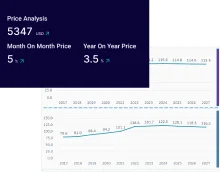
Analyze pricing patterns with comprehensive trend analyses.
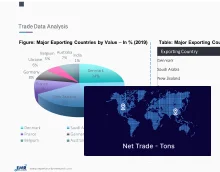
Analyse trade data for supply chain insights.
Leverage cost reports for smart savings
Elevate supply chain with collaboration
Contact Us for Further Information
Our specialized analysts will be available to answer all the pre-purchase and post-purchase queries regarding the report.
Our specialized analysts will be available to answer all the pre-purchase and post-purchase queries regarding the report.
Staying one step ahead of the market landscape with our in-depth research methods, integrating advanced analytics to drive precise and tangible outcomes.
Our expert analyst team offers a significant advantage over competitors, with extensive market insights into the latest trends, putting you strategically ahead.
We deliver a simplified yet extensive report, comprising in-depth industry insights and analytics tailored to your industry requirements.
We are happy to help you navigate through the services we offer and solve your queries.
Contact us